Women should not get vaccinated against COVID-19 |
|

UPDATED: 2,809 Dead Babies in VAERS Following COVID Shots as New Documents Prove Pfizer, the FDA, and the CDC Knew the Shots Were Not Safe for Pregnant Womenby Brian Shilhavy The latest data dump into the U.S. Government’s Vaccine Adverse Events Reporting System (VAERS) happened yesterday (12/3/21) and covers data through 11/26/2021.
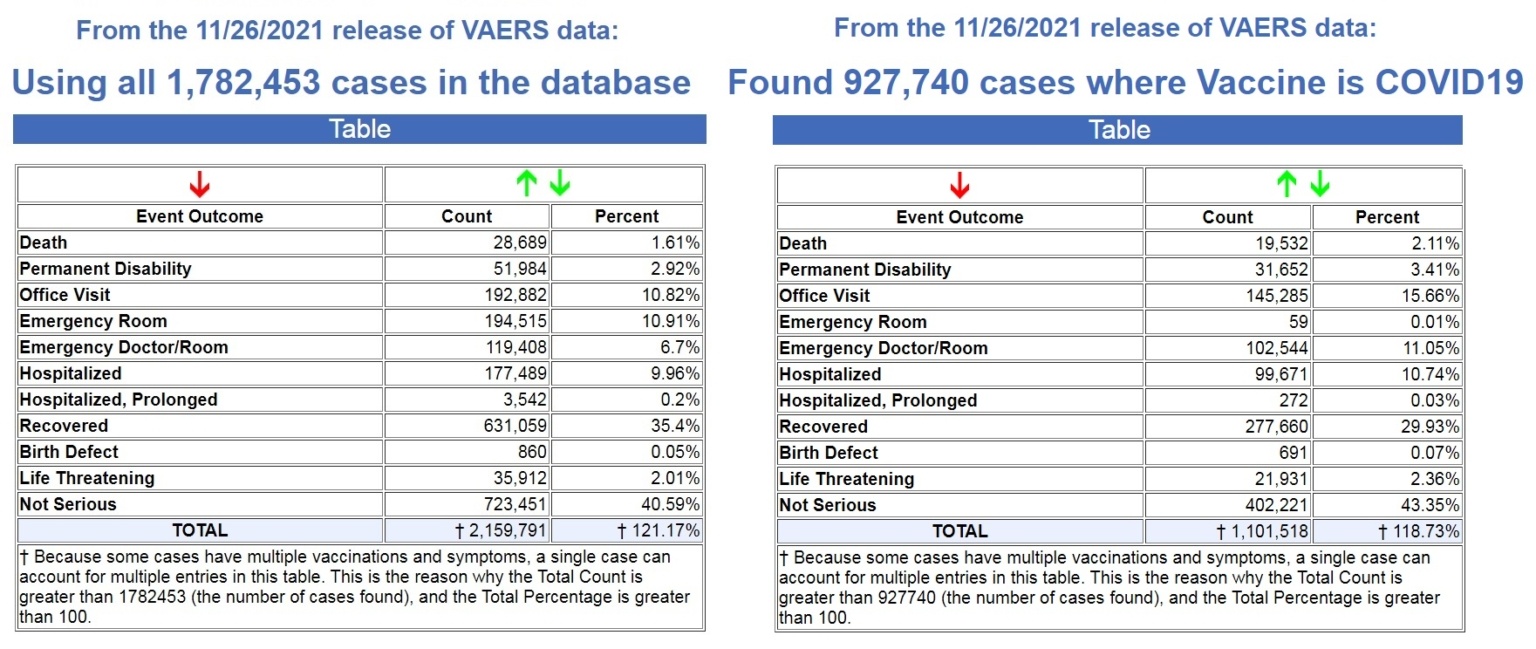
There are now 927,740 cases reported to VAERS following COVID-19 shots for the past 11 months, out of the total of 1,782,453 cases in the entire VAERS database filed for the past 30+ years.
Left image source, Right image source. That means that 52% off ALL vaccine adverse reaction cases in VAERS for the past 30+ years have been reported in the last 11 months following the COVID-19 shots.
In addition, 68% of all deaths following vaccines reported in VAERS for the past 30+ years have been reported in the last 11 months following the COVID-19 shots.
We are on pace to see 21,307 deaths reported in the first year following the experimental COVID-19 shots, while the average yearly deaths reported after FDA-approved vaccines for the past 30+ years is 305 deaths.
That is an astounding 86% increase in reported deaths following the COVID-19 shots, a 70X increase over the average reported deaths following vaccinations for the past 30+ years!
And as Dr. Jessica Rose has previously reported, the under-reporting factor in VAERS for the COVID-19 shots is 41X, as a conservative number, which means that at least 800,812 people have now died following COVID-19 shots based on the VAERS data.
Most, if not all, of those deaths are being reported in the pharma-owned corporate media as “COVID” deaths, as there are now more recorded “COVID deaths” for the first 11 months of 2021 than there were for the entire year in 2020, when there were no COVID vaccines until December. (Source.) 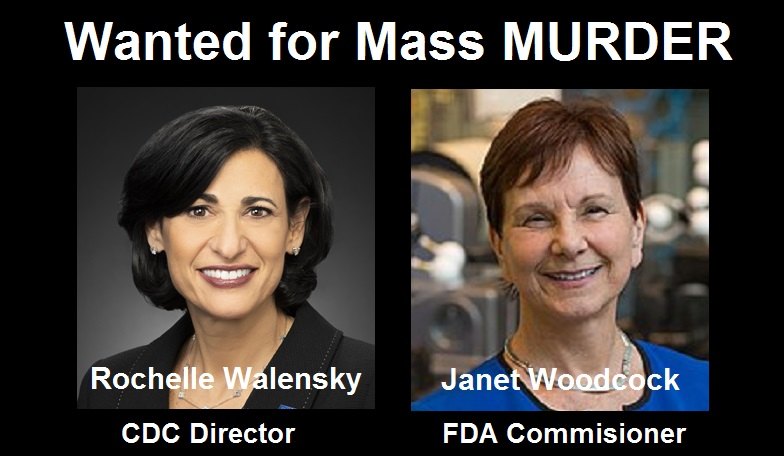 Wanted for Mass Murder Record Number of Fetal Deaths Following COVID-19 ShotsAs of this most recent update in VAERS, we have now found 2,809 fetal deaths following COVID-19 shots injected into pregnant and child-bearing women for the past 11 months. (Source.)
By way of contrast, using the exact same search parameters in VAERS, but excluding the COVID-19 shots, we found 2,168 fetal deaths following all FDA-approved vaccines for the past 30+ years. (Source.)
That’s an average of 72 fetal deaths per year following all FDA-approved vaccines for the past 30+ years, compared to what is on pace to be 3064 fetal deaths in 1 year following COVID-19 shots.
That is an 80% increase in fetal deaths recorded in VAERS following the COVID-19 shots. And yet, the CDC and FDA continue to recommend these EUA shots for pregnant women and nursing mothers.
Not only do they recommend these shots for pregnant women, we now have ample evidence that they have known since earlier this year that these shots are dangerous to pregnant women, and causing fetal deaths.
In a March 4, 2021 Advisory Commission on Childhood Vaccines (ACCV) meeting, the CDC submitted a report that contained a section titled: Maternal vaccination safety summary (starting on p. 39).
They stated (emphasis mine – my comments in red):
It is important to note through all of this reporting by the CDC that these are based on self-reporting data from pregnant women.
We know that it is politically incorrect to blame any health issue on a COVID-19 “vaccine,” and that doctors and nurses are pressured to NOT report these, so how many pregnant women had an adverse reaction, like a miscarriage, and never even thought to link it to their COVID-19 shot?
So back in March of this year (2021), there were already major concerns about the effects of the shots on pregnant women, as “larger than expected” pregnant women were reporting adverse reactions, and “the most frequently reported pregnancy-specific adverse event to VAERS” was “miscarriage.”
Then in August of this year (2021), the CDC presented a “new study” with “new data.”
Again, this “data” is dependent on pregnant women “self-reporting” adverse reactions, so we know these reports will be well below what was actually happening in the population, as it is politically incorrect to report any adverse reactions related to the experimental COVID-19 shots. To do so is to be branded an “anti-vaxxer” and shame you for life.
The August update admitted that 13% of the pregnant women who had received a COVID-19 shot reported a miscarriage. The CDC brushed this aside by stating “miscarriage typically occurs in about 11-16% of pregnancies.”
But of course ALL miscarriages are reported somewhere in the medical files, which is why they can even come up with a number range like this. So this figure is based on 100% of the reported data, while the COVID-19 related miscarriages are only based on what was self-reported, and we have no idea how many women never reported their miscarriages because they never related it to their COVID-19 shot.
One the main studies the CDC allegedly relied upon to declare that COVID-19 shots were safe for pregnant women, was a study published in the New England Journal of Medicine on June 17, 2021.
But on October 14, 2021, they issued a statement stating that some of their data was wrong in the June 17th study. (Source.) It dealt specifically with pregnancies in their 20th week or earlier.
In this video we produced in October, Dr. Byram Bridle in Canada and Dr. Martin Kulldorff of Harvard Medical School discuss the significance of this error made in this study which determined CDC policy on Fox News with Laura Ingraham. (It is in the second half of the video after the examples of adverse events on infants.) 1,969 Fetal Deaths Recorded Following COVID-19 Shots – Criminal CDC Recommends Pregnant Women Get ItSince then, researchers in New Zealand have conducted a new study on the original data, and concluded:
And yet, the CDC and FDA still continue to recommend the shots for pregnant women, even though a correct analysis on the original data shows that 82% to 91% of pregnant women will suffer miscarriages if their unborn child is less than 20 weeks old. (Source.)
We also have evidence that Pfizer knew about the risk of their COVID-19 shots to pregnant women. In May of this year (2021), we published a report written by Bud Shaver of Abortion Free New Mexico based on a whistleblower who served on a COVID-19 task force and had found documents that Pfizer had submitted to the European Medicines Agency (EMA) to authorize the shots in Europe, which included animal trials that showed there were serious birth defects occurring in rat specimens.
This would support what we have found in VAERS regarding “ectopic pregnancies” following COVID-19 shots, which have been reported at 50 X more than reported following ALL vaccines for the past 30+ years. See: VAERS Data Reveals 50 X More Ectopic Pregnancies Following COVID Shots than Following ALL Vaccines for Past 30 YearsLast month, November, 2021, we published the report written by Attorney Aaron Siri, a Vaccine Injury attorney, who is suing the FDA on behalf of several physicians who are the plaintiffs and have chosen to put their careers on the line to dare to expose vaccine deaths and injuries caused by the experimental COVID-19 shots.
Attorney Siri wrote that Pfizer had requested to take 55 years to supply their trial data on the COVID-19 shots.
In a follow up article he published on November 19, 2021, he reported that the judge was forcing Pfizer to start releasing the data, and that they had released the first 91+ pages.
So by the end of February of this year (2021), as Pfizer was petitioning the FDA for full approval of their EUA COVID-19 shot, they already had data from 42,086 reports containing 158,893 “events,” disproportionately affecting women between the ages of 31 and 50.
In Pfizer’s “postmarketing” report, found here, there is a Table, Table 6, labeled “Description of Missing Information” for “Use in Pregnancy and lactation,” which covers 274 cases and states:
This was the data that the FDA used to approve the Pfizer COVID-19 shot.
They also provided data to the FDA for breastfeeding babies that clearly indicated the shots were affecting these babies.
And this was at the end of February. We can clearly see what the results have been on unborn children since then just based on the limited data reported to VAERS, where there has been an 80% increase in fetal deaths recorded in VAERS following the COVID-19 shots.
Now I’m just a reporter sitting behind a computer accessing this publicly available data so that I can report it to you.
You can be certain that the scientists and researchers working at Pfizer, the FDA, and the CDC have access to all of this data as well.
This article alone, with all the links to the publicly available data, has more than enough information to immediately issue arrest warrants for Rochelle Walensky, the director of the CDC, Janet Woodcock, the FDA director, and Albert Bourla, the CEO of Pfizer, for mass murder and crimes against humanity.
But is there an attorney anywhere in the United States who would issue these warrants?
We can pretty much rule out Biden’s Attorney General for the U.S., Merrick Garland.
Are there any attorney generals in the 50 United States who would have the courage and the blessing of their Governor to issue arrest warrants like this?
Not likely, as not a single governor of any state, whether Red or Blue, has taken any actions to protect life and arrest the criminals behind these bioweapon shots.
But since these are federal agencies, the FDA and CDC, that affect every single citizen of the United States, a county District Attorney could issue warrants and try to serve them. They would mostly likely need something like a militia group, perhaps comprising of Sheriff deputies and members of their State National Guard, to be able to attempt something like this.
But if nothing is done at all, these deaths will continue to climb, as they are now injecting children between the ages of 5 and 11, and are getting ready to inject babies soon between the ages of 6 months and 4-years-old, just after the first of the year.
Is this the United States you want to live in and be a part of? How long are we going to stand by and watch innocent people killed to fulfill the Globalists’ eugenic plans to reduce our population? Related: 1,969 Fetal Deaths Recorded Following COVID-19 Shots but Criminal CDC Recommends Pregnant Women Get the ShotUPDATE – November 7, 2021 PM A couple of hours after publishing this article, a video that has been circulating on the Internet of an interview with a Funeral Director in the UK became known to me.
He has been in practice for over 3 years and is identified as “Wesley,” and was interviewed by a group called “Resistance GB.”
He claims that last fall was one the slowest periods of seeing deaths for all funeral directors, but when the COVID-19 shots were introduced, deaths started dramatically increasing.
It started with the elderly, but then by April they were seeing large numbers of people in their 30s and 40s. Many of them were dying of myocarditis.
Now, they are seeing unprecedented numbers of newborn babies, and they are piling up in hospital refrigerators. Some are full term, some are pre-term, he claims.
The UK originally recommended that pregnant women and nursing mothers should NOT get the experimental COVID shots, but like the CDC in the U.S., they eventually changed their recommendation to encourage pregnant women to get the shots. (Source.) UK Funeral Director: 10X Newborn Baby Deaths after COVID Shots – Refrigerators Full of Dead Babies |
|

Here’s the HARD PROOF that COVID jabs were intentionally designed to kill unborn babies30August2023 // Ethan Huff // https://www.naturalnews.com/2023-08-30-proof-covid-vaccines-intentionally-kill-unborn-babies.html
Fetal-maternal medicine specialist Dr. James Thorp spoke with Dr. Naomi Wolf recently about what he knows concerning the dangers of Wuhan coronavirus (COVID-19) “vaccines.”
One of the very few medical providers for pregnant women and babies to raise the alarm about the issue, Dr. Thorp revealed to Dr. Wolf that the shots appear to have been designed with stopping reproduction in mind.
Dr. Thorp was actually fired from his job at St. Mary’s Health System, one of the largest Catholic health systems in the country, for going public about what he and his wife Maggie, an attorney, discovered upon filing a Freedom of Information Act (FOIA) request.
Various so-called “influencers” were given a piece of a $13 billion pie to promote the mRNA injections from Pfizer-BioNTech and Moderna.
There was also a contract involving a for-profit OB/GYN non-governmental organization (NGO) who oversaw and influenced tens of thousands of obstetricians and gynecologists on multiple continents to push the jabs using government propaganda.
“The contract that the Thorps’ FOIA disclosed provides for the return of the money if medical organizations do not adhere to the ‘safe and effective’ for pregnant women and new moms script presented to them by HHS,” explains State of the Nation.
“Dr. Thorp independently confirms the WarRoom / DailyClout’s findings now from three other independent sources: that placentas, fetuses and newborns are being damaged by the mRNA injection.”
“All four sources confirm the same kinds of damage: fibrins, blood clots, ‘small for dates’ restricted growth and weight of the placentas, and calcifications. Meaning that babies of vaccinated moms in utero may not be getting enough food, and they may lack the room to grow normally.”
(Related: Only after nearly all service members in the U.S. military had already been forced to take COVID jabs did the Pentagon finally drop its deadly mandate.)
Every OB/GYN should have known COVID jabs would damage women and their unborn babiesBased on everything the Thorps uncovered, Dr. Thorp believes that every OB/GYN should have known that COVID jabs were dangerous for women and their unborn babies because they are inflammatory, which is catastrophic for pregnancy.
“I’m telling you that 95 percent of the physicians and nurses are captured by their paycheck,” Dr. Thorp told Dr. Wolf.
Dr. Thorp would go into great detail during the interview explaining how Pfizer attempted to hide the truth by keeping all damning data about the shots locked away for 75 years and launching a massive propaganda campaign.
“About 300 major organizations and influencers, including synagogues and churches, and many others, [convinced] the United States and the entire world that this deadly shot was safe, effective and necessary in the most vulnerable population: pregnant women.”
The Department of Health and Human Services (HHS) and the Centers for Disease Control and Prevention (CDC) entered into a “covenant of death” pact with the American College of OB/GYN as well as with the influencers to peddle the lie that the shots are safe and effective for pregnant women and their babies.
“They took well over $11 million; they signed the covenant with death; and they’re not allowed to deviate one iota from the lethal narrative of HHS,” Dr. Thorp said.
“If they do, they will be liable for paying back every single penny, which they’ve already pocketed. So, that’s why the American College of OB/GYN, the American Board of Obstetrics and Gynecology, and the Society for Maternal-Fetal Medicine, to this day, are the evil organizations that perpetrated this crime on the world. And I will not back down from attacking them because we have the proof.”
Check out the full interview at State of the Nation.
COVID shots are a death sentence. Learn more at ChemicalViolence.com.
Sources for this article include:
|
|

Exclusive Investigation of Confidential Pfizer Documents finds COVID Vaccination is going to cause Mass DepopulationBy The Exposé on https://expose-news.com/2022/07/10/exclusive-pfizer-docs-covid-vacccination-depopulation/
Covid-19 vaccination is going to lead to mass depopulation.
This is a pretty bold claim to make. ‘Your Government is trying to kill you’ is even bolder.
But unfortunately, these bold claims are now backed up with a mountain of evidence, and most of that evidence can be found in the confidential Pfizer documents that the U.S. Food & Drug Administration has been forced to publish by court order. 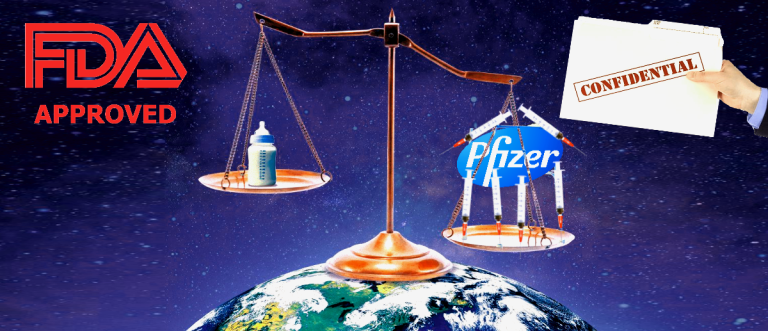 Confidential Pfizer Documents FDA approved So let’s start with the evidence contained in the confidential Pfizer documents. The US Food and Drug Administration (FDA) attempted to delay the release of Pfizer’s COVID-19 vaccine safety data for 75 years despite approving the injection after only 108 days of safety review on December 11th, 2020.
But in early January 2022, Federal Judge Mark Pittman ordered them to release 55,000 pages per month. They released 12,000 pages by the end of January.
Since then, PHMPT has posted all of the documents on its website. The latest drop happened on 1st June 2022.
One of the documents contained in the data dump is ‘reissue_5.3.6 postmarketing experience.pdf’. Page 12 of the confidential document contains data on the use of the Pfizer Covid-19 injection in pregnancy and lactation.
Confidential Pfizer Documents reveal 90% of Covid Vaccinated Pregnant Women lost their BabyPfizer state in the document that by 28th February 2021 there were 270 known cases of exposure to the mRNA injection during pregnancy.
Forty-six-percent of the mothers (124) exposed to the Pfizer Covid-19 injection suffered an adverse reaction.
Of those 124 mothers suffering an adverse reaction, 49 were considered non-serious adverse reactions, whereas 75 were considered serious. This means 58% of the mothers who reported suffering adverse reactions suffered a serious adverse event ranging from uterine contraction to foetal death.
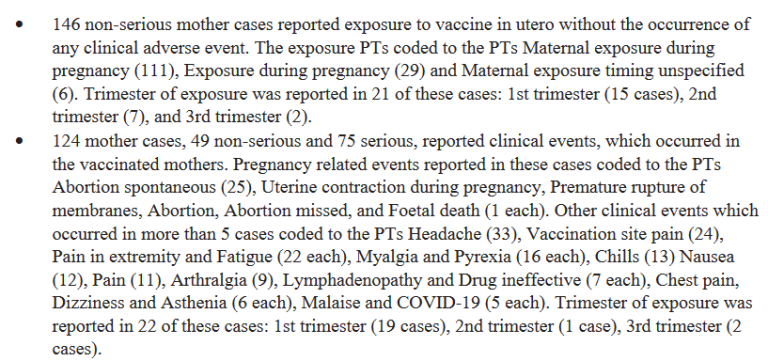 Confidential Pfizer Documents reveal 90% of Covid Vaccinated Pregnant Women lost their Baby A total of 4 serious foetus/baby cases were reported due to exposure to the Pfizer injection.  Confidential Pfizer Documents 4 serious foetus-baby cases were reported due to exposure to the Pfizer injection. But here’s where things get rather concerning. Pfizer state that of the 270 pregnancies they have absolutely no idea what happened in 238 of them.
But here are the known outcomes of the remaining pregnancies – 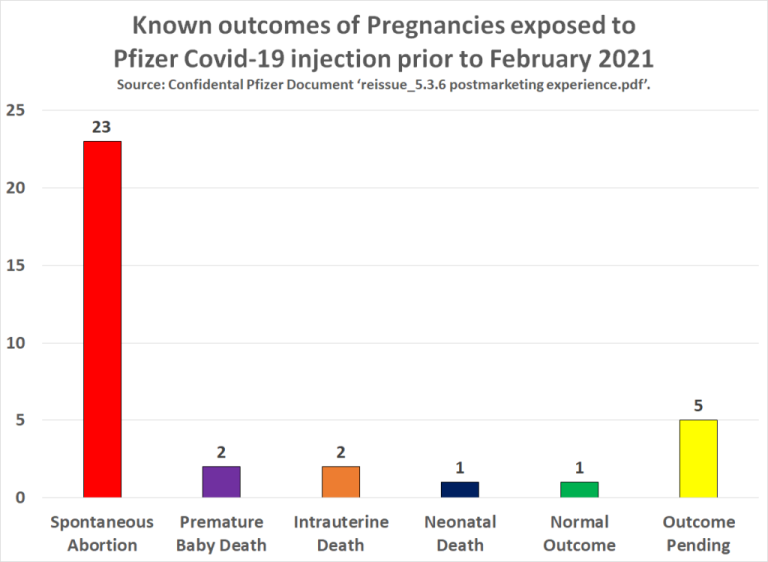 Confidential Pfizer Documents known outcomes of the pregnancies There were 34 outcomes altogether at the time of the report, but 5 of them were still pending. Pfizer note that only 1 of the 29 known outcomes were normal, whilst 28 of the 29 outcomes resulted in the loss/death of the baby. This equates to 97% of all known outcomes of Covid-19 vaccination during pregnancy resulting in the loss of the child.
When we include the 5 cases where the outcome was still pending it equates to 82% of all outcomes of Covid-19 vaccination during pregnancy resulting in the loss of the child. This equates to an average of around 90% between the 82% and 97% figure.
So here we have our first piece of evidence that something is amiss when it comes to administering the Pfizer Covid-19 injection during pregnancy.
Here’s the guidance taken from the UK Government’s ‘REG 174 INFORMATION FOR UK HEALTHCARE PROFESSIONALS’ document –
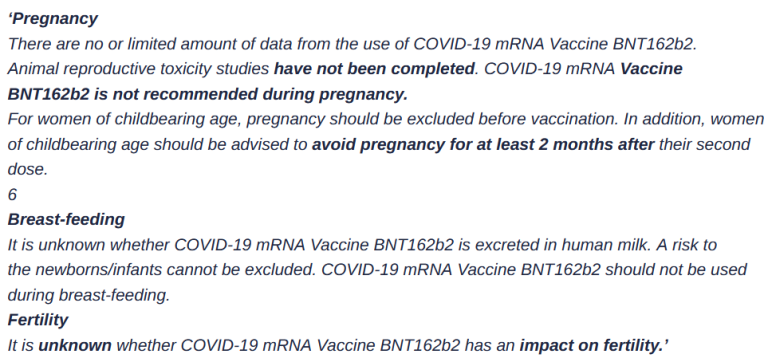 Confidential Pfizer Documents Pregnancy Breast-feeding Fertility That’s how the guidance read in December 2020 anyway. Unfortunately, just a month or so later, the UK Government and other Governments around the world revised that guidance to read as follows – 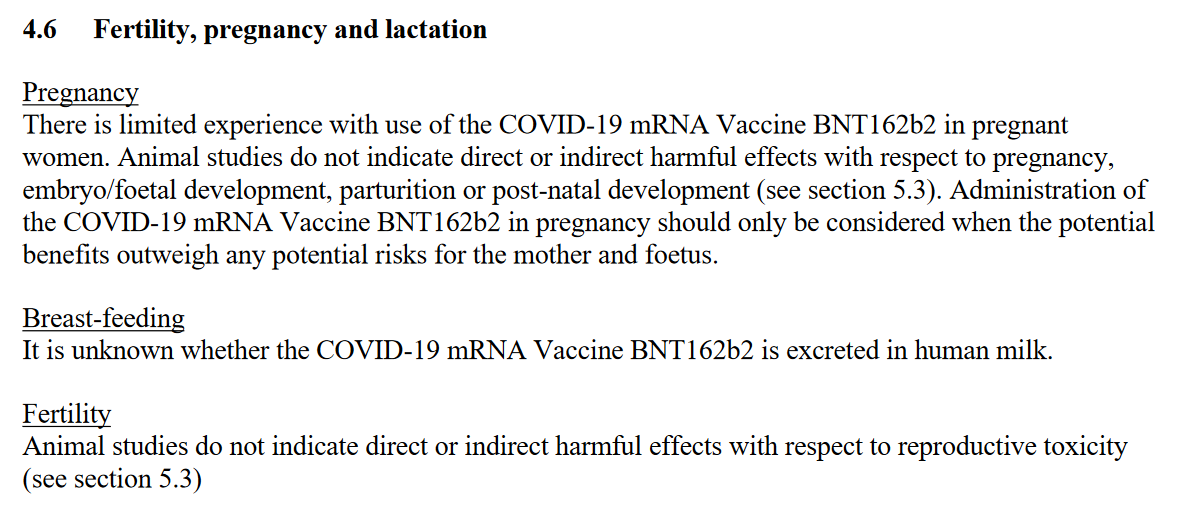 Confidential Pfizer Documents 4.6 Fertility, pregnancy and lactation This is still the official guidance as of June 2022, and leads to several questions requiring urgent answers when we consider since early 2021 pregnant women have been told Covid-19 vaccination is perfectly safe.
You only have to look at the things women were told to avoid during pregnancy prior to being told it’s perfectly safe to take an experimental injection to realise something just isn’t right here –
These are just to name a few, and the list is endless.
So let’s start with the ‘Pregnancy’ section of the official guidance. In December 2020 the guidance stated ‘Covid-19 vaccination is not recommended during pregnancy‘. Just a month or so later this guidance stated ‘Animal studies do not indicate harmful effects with respect to pregnancy etc.’
So let’s take a look at the animal studies in question.
But before we do it’s worth pointing out that the official guidance states, as of June 2022, that ‘administration of the COVID-19 mRNA Vaccine BNT162b2 in pregnancy should only be considered when the potential benefits outweigh any potential risks for the mother and foetus’. So why on earth has every single pregnant woman up and down the land been actively coerced into getting this injection?
Pfizer and Medicine Regulators hid dangers of Covid-19 Vaccination during Pregnancy due to Animal Study finding an increased risk of Birth Defects & Infertility
The limited animal study talked about in the official guidance actually uncovered the risk of significant harm to the developing foetus, but medicine regulators in the USA, UK and Australia actively chose to remove this information from public documents.
The actual study can be viewed in full here and is titled ‘Lack of effects on female fertility and prenatal and postnatal offspring development in rats with BNT162b2, a mRNA-based COVID-19 vaccine‘.
The study was performed on 42 female Wistar Han rats. Twenty-one were given the Pfizer Covid-19 injection, and 21 were not.
Here are the results of the study – 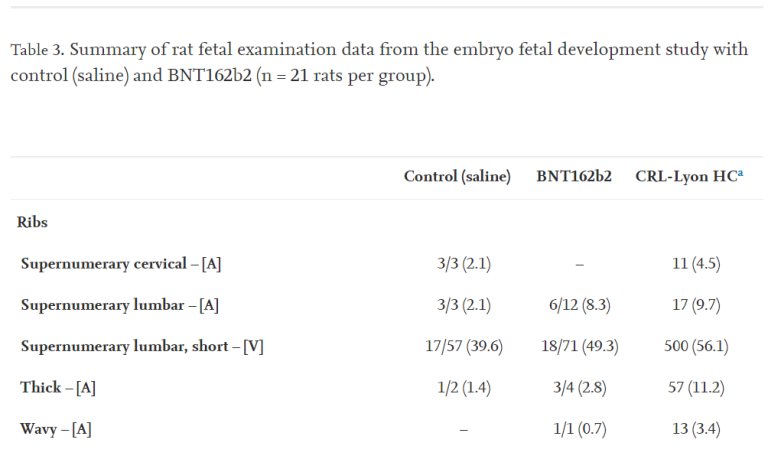 Confidential Pfizer Documents Table 3 Summary of rat fetal examination data The results of the number of foetuses observed to have supernumerary lumbar ribs in the control group were 3/3 (2.1). But the results of the number of foetuses to have supernumerary lumbar ribs in the vaccinated group were 6/12 (8.3). Therefore on average, the rate of occurrence was 295% higher in the vaccinated group.
Supernumerary ribs also called accessory ribs are an uncommon variant of extra ribs arising most commonly from the cervical or lumbar vertebrae.
So what this study found is evidence of abnormal foetal formation and birth defects caused by the Pfizer Covid-19 injection.
But the abnormal findings of the study don’t end there. The ‘pre-implantation loss’ rate in the vaccinated group of rats was double that of the control group. 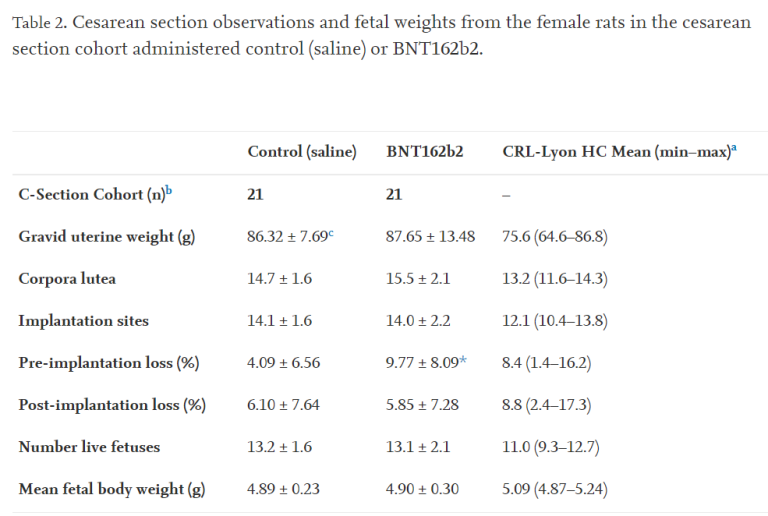 Confidential Pfizer Documents Table 2. Cesarean section observations and fetal weights from the female rats Pre-implantation loss refers to fertilised ova that fail to implant. Therefore, this study suggests that the Pfizer Covid-19 injection reduces the chances of a woman being able to get pregnant. So, therefore, increases the risk of infertility.
So with this being the case, how on earth have medicine regulators around the world managed to state in their official guidance that “Animal studies do not indicate direct or indirect harmful effects with respect to pregnancy”? And how have they managed to state “It is unknown whether the Pfizer vaccine has an impact on fertility“?
The truth of the matter is that they actively chose to cover it up.
We know this thanks to a ‘Freedom of Information (FOI) request made to the Australian Government Department of Health Therapeutic Goods Administration (TGA).
A document titled ‘Delegate’s Overview and Request for ACV’s Advice‘ that was created on 11th January 2021 was published under the FOI request. Page 30 onwards of the document shows a ‘review of the product information’, and highlights changes that should be made to the ‘Non-clinical evaluation report’ prior to official publication.
The changes were requested to be made by Pfizer prior to the next product information update.
Some of those requested changes were as follows – 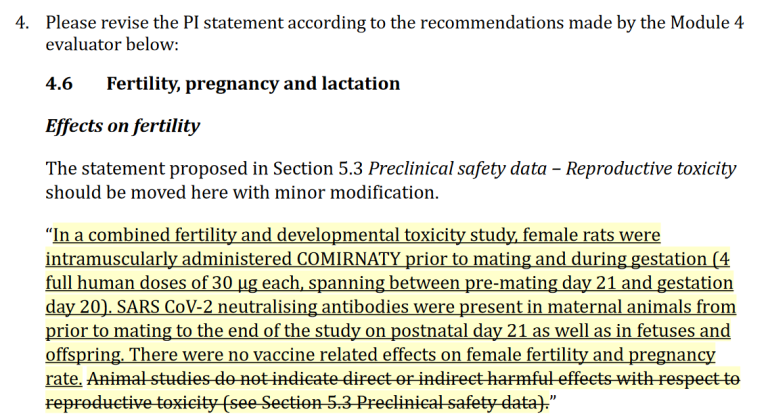 Confidential Pfizer Documents Please revise 4.6 Fertility, pregnancy and lactation The Module 4 evaluator requested Pfizer remove their claim that “Animal studies do not indicate direct or indirect harmful effects with respect to reproductive toxicity”.
Why? 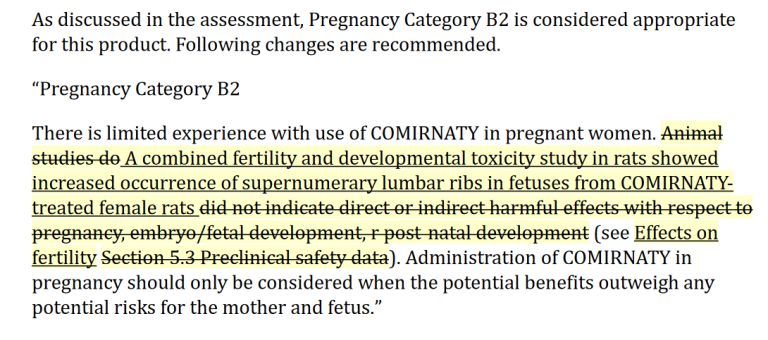 Confidential Pfizer Documents Pregnancy Category B The Module 4 evaluator told Pfizer that ‘Pregnancy Category B2’ was considered appropriate and requested that they added the following line –
“A combined fertility and developmental toxicity study in rats showed increased occurrence of supernumerary lumbar ribs in fetuses from COMIRNATY- treated female rats”.
But here’s a reminder of how the official document issued to the general public reads – 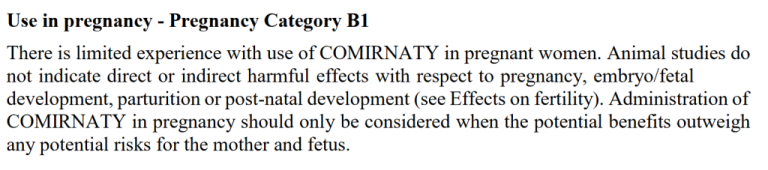 Confidential Pfizer Documents Use in pregnancy – Pregnancy Category B1 The pregnancy category was changed to ‘B1’, no line was included on the increased occurrence of supernumerary lumbar ribs in fetuses, and they instead included the line that was requested to be removed claiming “Animal studies do not indicate direct or indirect harmful effects with respect to pregnancy…”.
Here’s the official description of the pregnancy categories – 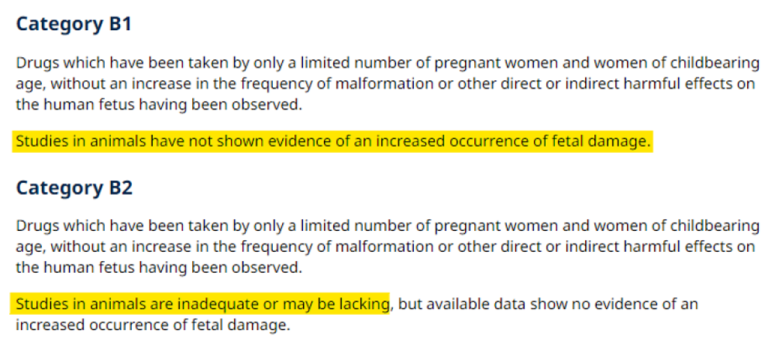 Confidential Pfizer Documents Use in pregnancy – Pregnancy Category B1, B2 That’s quite a big difference between the two categories. But the fact that the Module 4 evaluator even thought Pregnancy Category B2 was appropriate is highly questionable when you consider the results, as we revealed above, of the “inadequate” and extremely small animal study that was performed to evaluate the safety of administering the Pfizer Covid-19 injection during pregnancy.
So not only do we have evidence that the Pfizer vaccine may cause between 82% and 97% of recipients to lose their babies, we also now have evidence that the Pfizer vaccine leads to an increased risk of suffering infertility or birth defects.
Both of these examples alone support the suggestion that Covid-19 vaccination is going to lead to depopulation. But unfortunately, the evidence doesn’t end there.
Confidential Pfizer Documents reveal the Covid-19 Vaccine accumulates in the OvariesAnother study, which can be found in the long list of confidential Pfizer documents that the FDA have been forced to publish via a court order here, was carried out on Wistar Han rats, 21 of which were female and 21 of which were male.
Each rat received a single intramuscular dose of the Pfizer Covid-19 injection and then the content and concentration of total radioactivity in blood, plasma and tissues were determined at pre-defined points following administration.
In other words, the scientists conducting the study measured how much of the Covid-19 injection has spread to other parts of the body such as the skin, liver, spleen, heart etc.
But one of the most concerning findings from the study is the fact that the Pfizer injection accumulates in the ovaries over time.
An ‘ovary’ is one of a pair of female glands in which the eggs form and the female hormones oestrogen and progesterone are made. 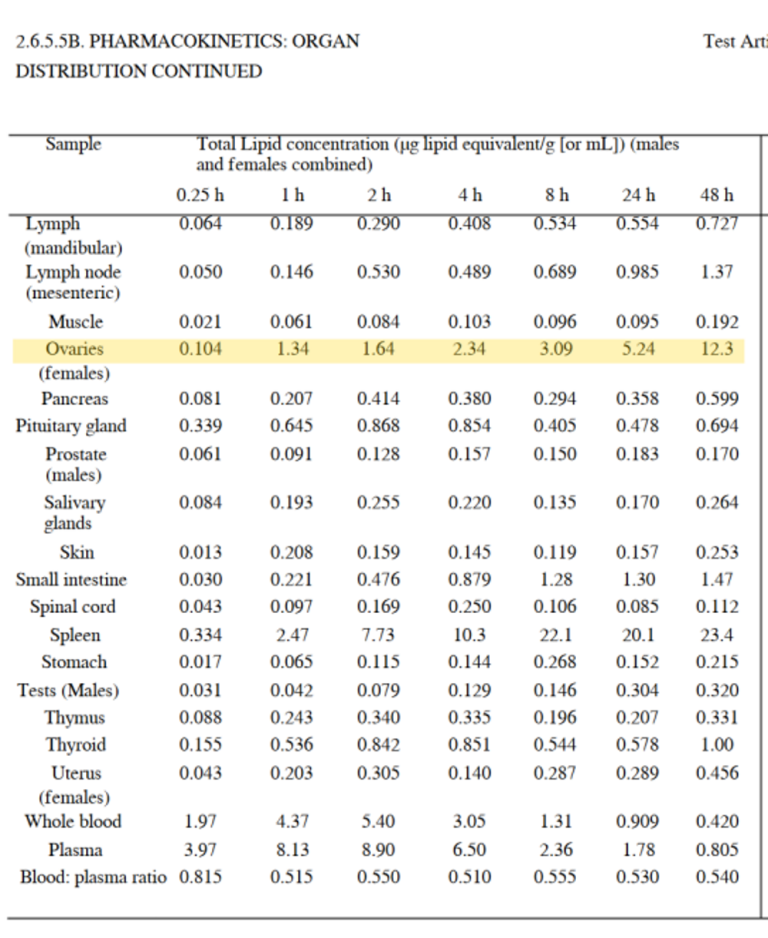 Confidential Pfizer Documents Pharmacolinetics Organ Distributions Continued In the first 15 minutes following injection of the Pfizer jab, researchers found that the total lipid concentration in the ovaries measured 0.104ml. This then increased to 1.34ml after 1 hour, 2.34ml after 4 hours, and then 12.3ml after 48 hours.
The scientists, however, did not conduct any further research on the accumulation after a period of 48 hours, so we simply don’t know whether that concerning accumulation continued.
But official UK data published by Public Health Scotland, which can be found here, offers some concerning clues as to the consequences of that accumulation on the ovaries.
Figures for the number of individuals suffering from ovarian cancer show that the known trend in 2021 was significantly higher than 2020 and the 2017-2019 average.
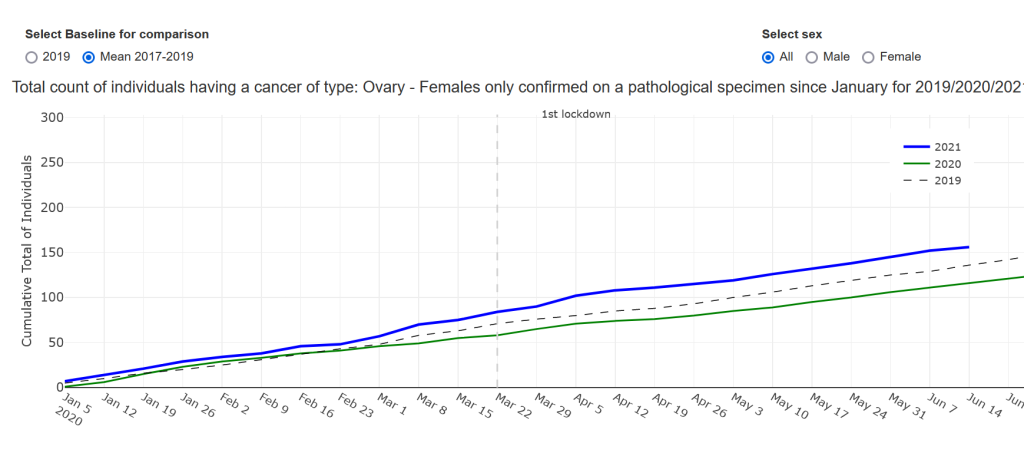 Confidential Pfizer Documents Figures for the number of individuals suffering from ovarian cancer The above chart shows up to June 2021, but the charts found on Public Health Scotland’s dashboard now show figures all the way up to December 2021 and unfortunately reveal that the gap has widened even further with the number of women suffering Ovarian cancer increasing significantly.  Confidential Pfizer Documents Figures for the number of individuals suffering from ovarian cancer 2019-2021 That concludes our third piece of evidence. So now we know –
Unfortunately, we also have evidence that Covid-19 vaccination increases the risk of newborn babies sadly losing their lives, and it also comes from the Public Health Scotland ‘Covid-19 Wider Impacts’ dashboard.
Newborn Baby Deaths hit critical levels for 2nd time in 7 Months in March 2022Official figures reveal that the rate of neonatal deaths increased to 4.6 per 1000 live births in March 2022, a 119% increase on the expected rate of deaths. This means the neonatal mortality rate breached an upper warning threshold known as the ‘control limit’ for the second time in at least four years.
The last time it breached was in September 2021, when neonatal deaths per 1000 live births climbed to 5.1. Although the rate fluctuates month to month, the figure for both September 2021 and March 2022 is on a par with levels that were last typically seen in the late 1980s. 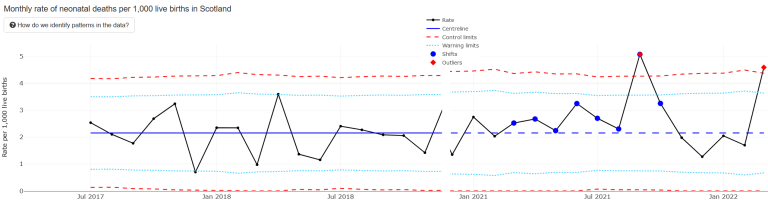 Confidential Pfizer Documents Rate of neonatal deaths Source Public Health Scotland (PHS) did not formally announce they had launched an investigation, but this is what they are supposed to do when the upper warning threshold is reached, and they did so back in 2021.
At the time, PHS said the fact that the upper control limit has been exceeded “indicates there is a higher likelihood that there are factors beyond random variation that may have contributed to the number of deaths that occurred”.
Our final piece of evidence to support the claim that Covid-19 vaccination is going to lead to depopulation comes in the form of more real-world data, but this time from the USA.
Covid-19 Vaccination increases risk of suffering Miscarriage by at least 1,517%According to the Centers for Disease Control’s (CDC)) Vaccine Adverse Event Database (VAERS), as of April 2022, a total of 4,113 foetal deaths had been reported as adverse reactions to the Covid-19 injections, 3,209 of which were reported against the Pfizer injection. 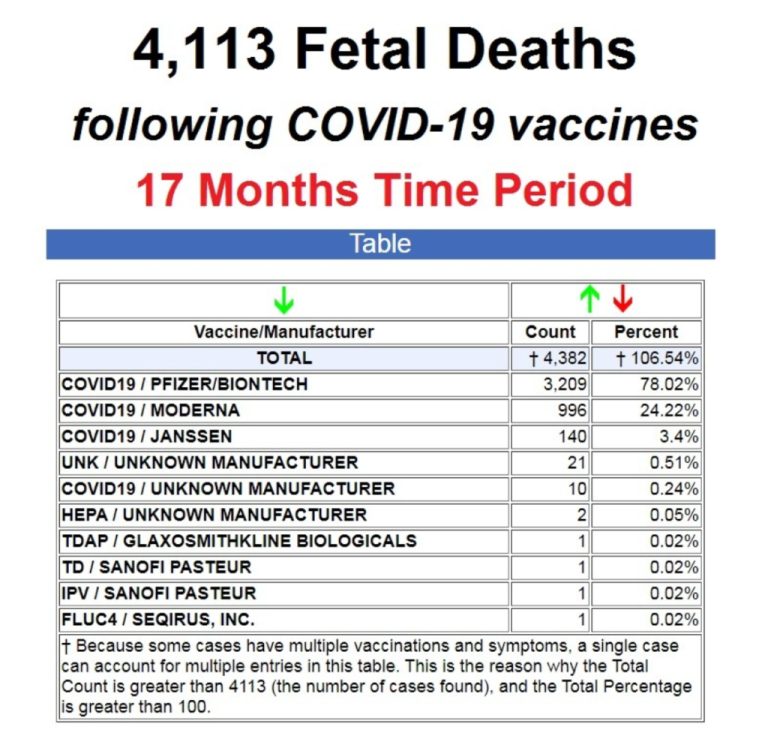 Confidential Pfizer Documents 4113 Fetal Deaths following COVID-19 Vaccines The CDC has admitted that just 1 to 10% of adverse reactions are actually reported to VAERS therefore the true figure could be many times worse. But to put these numbers into perspective, there were only 2,239 reported foetal deaths to VAERS in the 30 years prior to the emergency use authorisation of the Covid-19 injections in December of 2020. (Source)
And a further study which can be viewed here, found that the risk of suffering a miscarriage following Covid-19 vaccination is 1,517% higher than the risk of suffering a miscarriage following flu vaccination. 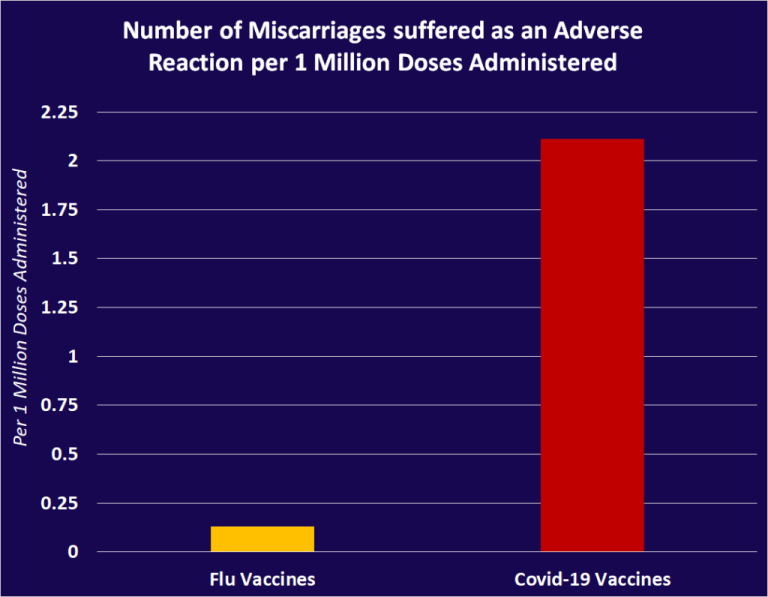 Confidential Pfizer Documents Number of Miscarriages suffered as an adverse Reaction The true risk could however actually be much higher because pregnant women are a target group for Flu vaccination, whereas they are only a small demographic in terms of Covid-19 vaccination so far.
With the risk of this turning into an essay that concludes our evidence for today, but there is plenty more of it out there and we will make sure to report on it.
But with –
It looks like we already have more than enough evidence to make the claim that Covid-19 vaccination is going to lead to depopulation.
|


Children should not get vaccinated against COVID-19 |
|
Parents Warn How the COVID Shots Killed or Crippled Their Children
Covid Vaccines Are a War on ChildrenBy Stella Paul 24November2021https://www.americanthinker.com/articles/2021/11/covid_vaccines_are_a_war_on_children.html
The first battles in the Covid War on Children began with the lockdown, forcing kids into isolation, depriving them of education, smothering them with masks, strangling their innate joy and playfulness, and denying them contact with God-given images of human faces.
The tyrants won those first battles, vanquishing our kids. Children are committing suicides in numbers never before seen; their health has plummeted with terrifying rates of obesity and diabetes, their intellectual and social development is languishing, and they are suffering intensely.
Now with children sicker and weaker than ever before, and with parents desperate for a return to “normal,” the tyrants are moving in for the kill with vaccines. The Pop Culture Brigade unleashed Big Bird to tweet about the joys of the jab, promised kids superpowers from the vaccines in a grotesque Pfizer ad, and invited a pop star to the White House to push “Let’s end this pandemic together” to kids.
The medical establishment enthusiastically joined the attack. The American Medical Association urged parents to “seize the opportunity to vaccinate younger kids against Covid-19,” warning them, “Now it is time for parents to act.” The American Academy of Pediatrics flogged the need for instant FDA approval, while its New York branch demanded vaccine mandates for kids to attend school, helpfully adding that “religious or philosophical exemptions should not be given.”
And, of course, the government struck hard with the ultimate power of coercion. California became the first state to mandate vaccines for kids ages 5 and older, denying kindergartners an education until they’re jabbed. New York, fresh from deploying Covid to kill 15,000 nursing home residents, pivoted to kids with a bribery campaign conceived in the pits of hell. Mayor de Blasio announced that jabbed kids are eligible for a $100 gift, which he cheerfully informed them “buys a whole lot of candy.” Sugar destroys the immune system and sets up kids for a lifetime of metabolic dysfunction, but who cares about that? The vaccines are for their health!
The tyrants have been consistent in their messaging onslaught from the beginning: healthy living and natural immunity play no part in overcoming Covid; only the divine gift of pharmaceutical experiments can confer redemption from the viral demon. Now the tyrants are salivating at the profits to be made by plunging lucrative gene modulators into children’s flesh. Already, Pfizer is boasting that it will make as much money from its Covid vaccine in 2021 as it made from all its products in 2020. And wait until 2022, when Fauci assures us that even babies and toddlers will be stabbed with the jab! The tyrants have decreed their right to colonize and exploit your children’s bodies, and your job as parents is to thank them, pay them, and submit.
In the face of this blitzkrieg of intimidation, coercion, and agitprop, how can parents protect their children? What weapons do parents have to fight back? As in any war, the way to win is through courage, unity, and knowledge of the enemy. So, I’ve provided some facts to fortify your information and share with others.
The vaccine is already proven to be dangerous. On November 12th, the CDC released the latest figures from the VAERS (Vaccine Adverse Event Reporting System). To date, children ages 12 to 17 have suffered 22,782 total adverse events, including 1,400 rated as serious, and 29 reported deaths. Among the deaths: a 17-year-old girl from Washington, a 12-year-old girl from South Carolina, a 13-year-old girl from Maryland, and a 17-year-old girl from Texas. 59 cases of life-threatening anaphylaxis were reported in this age group – with 96% attributed to Pfizer’s vaccine. 552 cases of myocarditis and pericarditis (heart inflammation) were reported, with all but 10 linked to Pfizer, and 131 cases of blood clotting disorders, with 100% linked to Pfizer.
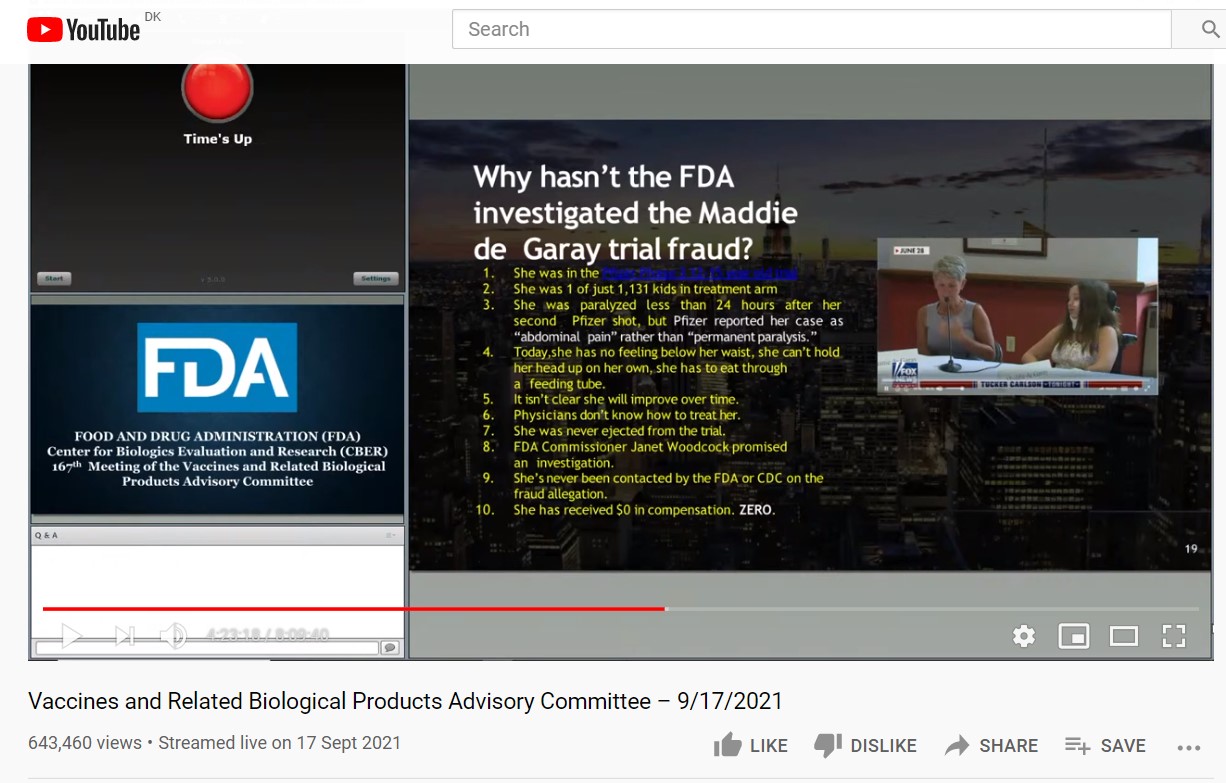
Vaccine injuries in kids are being censored from the media and buried by the FDA. Maddie de Garay is a 13-year-old girl in Ohio whose mother signed her up for Pfizer’s Covid vaccine clinical trial. She is now catastrophically disabled and has been hospitalized three times in recent months. Yet Comcast refused to show an ad about Maddie, frustrating Maddie’s mother who hoped it would force those responsible to admit to Maddie’s injuries. You can see Maddie’s ad here. Mrs. de Garay documented Maddie’s medical records and submitted them to the CDC, FDA, and NIH’s National Institute of Neurological Disorders and Stroke without getting any meaningful response. Pfizer has categorized Maddie’s systemic injuries as “functional abdominal pain.”
Sweden, Denmark, Finland, and Taiwan have stopped vaccinating younger groups because of reported heart damage and other injuries. (See here, here, and here.) All four countries report worrisome rates of myocarditis and pericarditis, which cause heart inflammation, in younger people injected with Covid vaccines. And in Germany, federal data shows that children aged 12 to 17 were far more likely to be damaged from Covid vaccines than from Covid. Children were hospitalized post-vaccine with myocarditis, pericarditis, thrombosis, pulmonary embolism, and Guillain-Barre Syndrome. Around the world, children are suffering from Covid vaccines.
Pfizer conducted NO long-term studies on their vaccine’s impact on kids – none, nada, zilch, zip. Pfizer admits in its application to the FDA that they will study the long-term effects on kids AFTER they receive authorization. Pfizer’s clinical trials consist of just two small studies of approximately 2,000 kids each. One group was followed for about two weeks after vaccination; the other for two months. That’s it. Two months! That’s the entire basis for injecting millions of kids with experimental vaccines that have unknown consequences for their genetic, reproductive, neurological, immunological, respiratory, and cardiovascular health. What on earth happens to our future if something goes wrong?
Fauci and the FDA admit they don’t know if the vaccines are safe for kids. “The real question that we have not yet answered is the safety data of an mRNA vaccine in young people vis-a-vis myocarditis,” Fauci told Reuters in October. And Dr. Eric Rubin, a voting member of the FDA panel that endorsed the vaccine and editor-in-chief of The New England Journal of Medicine, casually noted, “We’re never going to learn about how safe the vaccine is unless we start giving it. That’s just the way it goes.” In other words, what’s important to these “experts” isn’t protecting your kids. It’s protecting the vaccine, with your kids as the unfortunate guinea pigs.
Children’s risk of Covid death or serious illness remains extremely low. Large studies in Britain confirm that children’s risk of being hospitalized or dying from Covid is negligible. 25 children out of 12 million kids in Britain died of Covid, and most of them had severe co-morbidities. Furthermore, children are not significant drivers of infection and pose almost no risk to adults. They do not get frequently infected, and if they do, they typically have mild symptoms.
Prominent doctors have formed The Unity Project to help parents and groups fight vaccine mandates for children.
The tyrants who want your children’s bodies are relentless. They’ve orchestrated the battlefield so that you’re mandated to permanently alter your children’s biology with unknown substances for protection against a disease for which they’re not at risk. In times of chaos and despair, return to the time-tested basics. The best way to shield your kids is by bolstering their God-given immune system with healthy whole foods, sunshine, joyful play and exercise, sleep, and family time for gratitude. The war will be won by parents who protect their kids. |
|
Study: Babies born during COVID-19 lockdown show signs of cognitive disabilities19October2022 by: Zoey Sky https://www.naturalnews.com/2022-10-19-babies-born-covid-lockdown-show-cognitive-disabilities.html This article may contain statements that reflect the opinion of the author 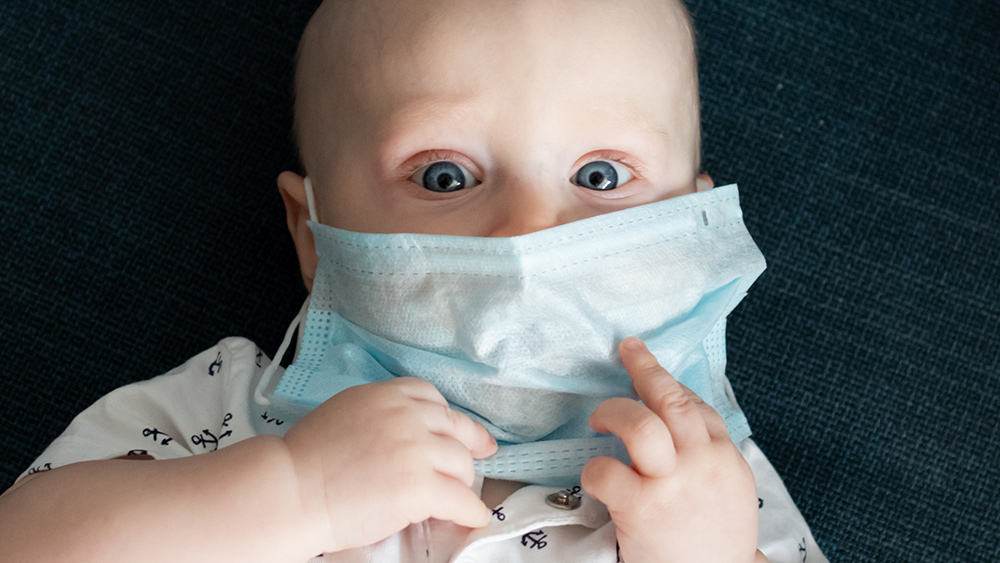 Baby wearing Face Mask (Natural News) According to a study in Ireland, babies born during the Wuhan coronavirus (COVID-19) pandemic were less likely to be able to speak before their first birthday compared to other children born before the pandemic. The study, which was published in the journal Archives of Disease in Childhood, also found that children born during lockdown were displaying a worrying list of cognitive impairments.
For example, some children were less likely to be able to reach developmental milestones such as waving “goodbye” and pointing at objects. Adverse effects of masking and lockdownsFor the study, titled “Social communication skill attainment in babies born during the COVID-19 pandemic,” researchers from the Royal College of Surgeons in Ireland observed 309 babies born in the first three months of lockdown in Ireland between March and May of 2020.
The babies were tested for 10 behavioral milestones at their first birthday and the results were compared against 2,000 babies born between 2008 and 2011. The study findings showed that lockdown babies were:
The scientists think that face masks limited children’s ability to see people’s mouths and become accustomed to different facial expressions. This may have made it harder for lockdown babies to learn how to speak. Additionally, prohibiting relatives and friends of the parents from visiting is thought to have contributed to the stunting of the social development of children. The study authors wrote that these measures may have also reduced the children’s opportunities to encounter new items of interest, which might prompt pointing, and the frequency of social contacts to enable them to learn to wave goodbye.
The researchers also reported that lockdown babies were still more likely to be crawling, which may be due to having spent more time at home on the ground instead of outdoors in cars and strollers.
The study was observational, but it also suggests that lockdowns and masking have had negative effects on the development of growing children. Lockdowns negatively impacted children’s verbal skillsAccording to a different study in Britain, young children entering elementary school have severely underdeveloped verbal skills. Results even show that many students are unable to say their own names. (Related: Britain bans COVID vaccine for children under 12, says they are at very low risk of developing severe COVID.)
Speech therapists say that mask wearing has caused a 364 percent increase in patient referrals of babies and toddlers. Another study suggested that the mean IQ scores of young children born during the COVID-19 pandemic have decreased by as much as 22 points. Other factors like verbal, motor and cognitive performance have also been negatively affected because of the lockdowns.
A different study published in the journal Royal Society Open Science showed that lockdowns in the U.K. caused around 60,000 children to suffer clinical depression. Data showed that at least 400,000 British children were referred to mental health specialists in 2021 for issues such as eating disorders and self-harm.
Education experts have also warned that forcing schoolchildren to wear face masks has caused long-lasting psychological trauma.
Research from Germany showed that the reading ability of children has gone down compared to pre-COVID times because of lockdown policies that led to the closure of schools.
Researchers from Johns Hopkins University concluded that global lockdowns have had more adverse effects on society than alleged benefits. They also warned that lockdowns are “ill-founded and should be rejected as a pandemic policy instrument.” Visit Pandemic.news to read more articles about the negative effects of COVID-19 measures like lockdowns and masking. Watch the video below to know more about mask-induced exhaustion syndrome in children (MIESC). Mask Induced Exhaustion Syndrome in Children (MIESC)This video is from the Gabriels’ Horn channel on Brighteon.com. More related stories:Doctor reveals COVID-19 vaccines lead to more deaths in both children and adults. Overwhelming evidence suggests giving children COVID-19 vaccines will only harm them. Sources include: |
|
Funeral Home Whistleblower: Hospitals Are Covering Up Baby Vaccine Deaths By Cremating Babies Themselves
 10 month old Haxel Ribnik reacts, as nurse Jillian Mercer administers the Moderna vaccine for the coronavirus disease (COVID-19) at Rady Children’s Hospital in San Diego, Califronia. REUTERS UPDATE: Since publishing this story, we have learned that Dr. Marty Makary, a top public-health expert at Johns Hopkins University, has gone public with information that at the NIH, FDA & CDC employees are quitting in droves over these recently approved infant COVID vaccines. See: NIH, FDA & CDC Employees Quitting In Droves Over Infant Covid Vaccinesby Brian Shilhavy Funeral home director John O’Looney (UK) was interviewed by Maria Zeee (Australia) yesterday, where he discussed that hospitals were directly cremating babies who allegedly died after a COVID vaccine, most of them prenatal, rather than going to a funeral home. He states that he has never seen anything like this in his professional career as a funeral director, and that the only reason as to why hospitals were doing this was to prevent this information from reaching the public. Mr. O’Looney became a whistleblower early on in the vaccine roll outs, as he had bury so many young, previously healthy people in their early to mid-20s shortly after receiving COVID-19 vaccines, and his embalmer was seeing things in the arteries of those who were vaccinated that he had never seen previously. John O’Looney – Hospitals Are Covering Up Baby Deaths By Cremating Babies ThemselvesHe referenced another funeral director in the UK named “Wesley” who did an interview some months ago, and we have previously published that interview as well: UK Funeral Director: 10X Newborn Baby Deaths after COVID Shots – Refrigerators Full of Dead BabiesMeanwhile, another 141 cases of COVID-19 vaccine injuries in the 6 months old through 4 years old age group were added to the Vaccine Adverse Events Recording System (VAERS) database today. What I have done is put the first 137 cases that were reported after the FDA authorized these shots for the babies in June on page 1, with all the new ones added today for this pediatric age group then on page 2 and 3 (go here.) As we reported last week, the damage being done to these young brains that are creating seizures and hallucinations is truly horrifying, where the most common side effect being reported is “Neuroleptic Malignant Syndrome,” which the Cleveland Clinic defines as:
There is also extensive damage being done to their digestive tracts, with diarrhea and vomiting being reported, as well as pancreatitis and colitis, and many other gastrointestinal issues. Other side effects being reported among these babies and toddlers include anaphylactic shock, dementia, depression, lupus, Guillain-Barre syndrome, encephalitis, seizures, meningitis, and all sorts of rashes. (Source.) I can barely bring myself to read these case report descriptions and the horrible things that are happening to these poor babies being injected with these toxic shots. This is one, for example, from a 14-month-old female baby in Illinois, VAERS ID 2356042:
Or this one of a 2-year-old girl, VAERS ID: 2329230:
The most common reason for recording a case to submit to VAERS for this age group, by far, is “medication error,” where the pharmacist or doctor injected the baby with the wrong dose, either an adult dose, or a dose for an older child. Such gross incompetency among medical staff should not surprise us, since most of the good, ethical doctors have quit or been fired over their refusal to receive a COVID-19 vaccine, or inject others with one. The ones remaining are either vaccine zealots, or worse, they know full well that these vaccines are killing and harming children, but they fear losing their job more than standing up for what is right.
|
|

Breaking: The Israeli MOH is hiding a study it conducted, showing a 2-4 times higher rate of adverse events reports following Pfizer COVID vaccine in kids aged 5-11 vs ages 12-17| 15686 צפיות The study, commissioned by the MOH, also indicates new adverse events not reported in Pfizer’s leaflet, and that some adverse events last more than a year. Despite being aware of these findings, the MOH is hiding them from the public and has recently authorized the booster dose for ages 5-11 and is preparing to approve the vaccine for infants | Yaffa Shir-Raz | English 29June2022 https://rtmag.co.il/english/the-israeli-moh-is-hiding-serious-findings-from-a-study-it-conducted-on-pfizer-covid-vaccine,-showing-a-2-4-times-higher-rate-of-adverse-events-in-children-aged-5-11-vs-ages-12-17  סודי ביותר – Top Secret
While Pfizer CEO Albert Bourla is hosted in Israel and is promoting his company’s COVID vaccine for infants ahead of the Israeli Ministry of Health’s expected approval for infants in the coming days, it turns out that the ministry is hiding very serious findings on the vaccine’s adverse events in children, especially concerning children aged 5-11. Although the findings of the study, which was commissioned by the ministry itself, were presented to the Epidemiology Division three weeks ago, and despite their seriousness, the MOH authorized last week a third dose (“booster”) for ages 5-11 and announced that it plans to approve the vaccine for infants as early as this week. In an urgent letter sent on Monday (June 27, 2022) by the Professional Ethics Front to the State Comptroller of Israel, Dr. Matanyahu Engelman, it was revealed that the findings of a study conducted by Prof. Matti Berkowitz, director of the Clinical Pharmacology and Toxicology Unit at Assaf Harofeh Hospital (Shamir) were presented to the Department of Epidemiology in early June. The study, which was commissioned by the Ministry of Health, examined the adverse events of Pfizer’s COVID vaccine for about six months (From December 9, 2021, until the end of May 2022). The study was based on an analysis of reports recorded in the Nahlieli system (a system that constitutes the Israeli national vaccine database, including the management of the accompanying information, which includes reports of adverse events and safety demonstrations). The letter to the State Comptroller stated that “The findings have been brought to our attention, and they are serious and indicate a risk to children, and in particular to young children aged 5-11”. Today (June 29, 2022), the association sent another letter to the State Comptroller, detailing the serious findings, accompanied by slides presented to the Epidemiology Division by the research team led by Prof. Berkowitz. The findings show, among other things, that adverse events are 2-4 times more common among young children aged 5-11; that there are new adverse events that have not been reported in Pfizer’s COVID vaccine leaflet; that contrary to what has been claimed, various adverse events, including neurological effects and menstrual disorders, are not short-term events that pass within a few days, but in many cases, they last for months or even more than a year. Moreover, the study found that a significant proportion of the symptoms did not disappear by the end of the study, so it is not possible to know how long they lasted; and a considerable part of the cases even if the adverse event ceased, it recurred after the next dose. During the study period, 8,054 reports of vaccine-related adverse events were received in all age groups (5-11; 12-17; 18 and over), of which 6,259 were defined as “valid” (without duplication or empty reports ). In addition, 2,075 adverse events were reported as free text. Of the reports submitted as free text – five categories together constitute about 70% of all reported adverse events. These categories were analyzed by the research team, and include (in order of frequency): 1. Neurological effects; 2. General effects (not included in any of the categories specifically); 3. Menstrual disorders; 4. Symptoms in the musculoskeletal system; 5. Symptoms in the gastrointestinal tract/kidneys and urinary tract. Cardiovascular symptoms were noted in the sixth category, with slightly fewer reports compared to the fifth category. However, this category was not analyzed by the team, although it was precisely these adverse events, such as myocarditis and pericarditis, that were found to be related to the vaccine and common among teenagers and young adults. Also, according to the team members who presented the study, there are other symptoms such as autoimmune symptoms, which are important to analyze in order to better identify the safety profile of the vaccine, but at this stage have not been analyzed.
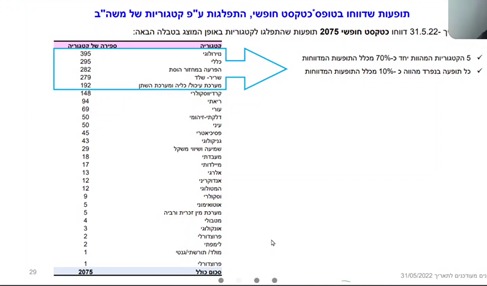 Pfizer COVID vaccine adverse events in kids MOH – 2,075 adverse events were reported Adverse events are 2-4 times more common among ages 5-11The researchers found that in the youngest age group – ages 5-11, adverse events are 2-4 times more common (depending on the specific adverse event described) compared to the older age group, aged 12-17. This finding is very surprising and especially troubling in light of the fact that the percentage of vaccinated among the young group is much lower compared to the larger age group. In fact, according to the MOH’s COVID dashboard, only 25.1% of children aged 5-11 received one dose of the COVID vaccine, 17.7% received two doses, and 0.1% received three doses. In contrast, among 12-15-year-olds 65.6%, 54.6% received two doses, and 14.8% received three doses. Among 16-19-year-olds 89.3% received one dose, 78.2% received two doses, and 45.9% received three doses. That is, while the immunization rate among ages 5-11 is 3-4 times lower for the first and second doses of the vaccine, the rate of reported adverse events in this group is 2-4 times higher! It should be noted that the findings surprised even the research team itself, and were emphasized by them several times during the presentation. The finding of a higher rate of adverse events among ages 5-11 compared with ages 12-17 emerges from both the closed fields and open text in Berkovitch’s analysis, and in almost all categories analyzed. In the closed fields it was found that 599 reports are among ages 5-11, while 299 reports are among ages 12-17 – that is, double the number of reports among the younger group.
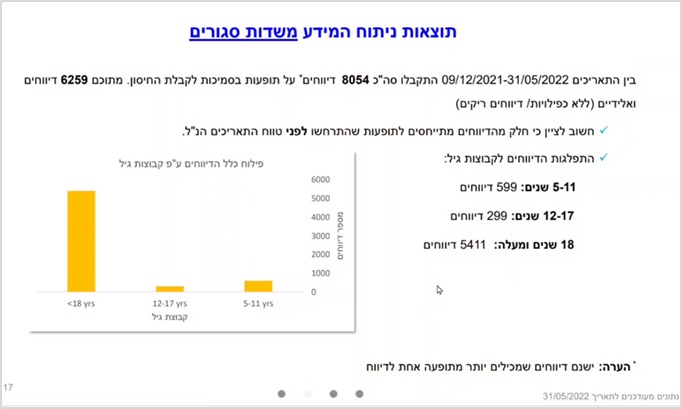 תוצאות ניתוח המידע משרות סגורים-Results of information analysis closed jobs-2022-06-28 Of the adverse events reported as free text – 7% are among ages 5-11, and 3% among ages 12-17. In other words, the rate of adverse events reported among the younger children is almost 2.5 times higher than that of the older group.
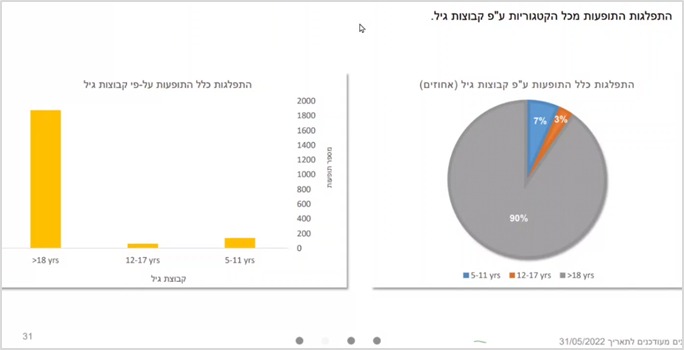 התפלגות כלל התופעות ע”פ קבוצות גיל – Distribution of all phenomena by age groups For example, in the category of neurological adverse events – 6% are among ages 5-11, and 3% among ages 12-17. That is, the rate of neurological symptoms in younger children is twice as high as in the older group. 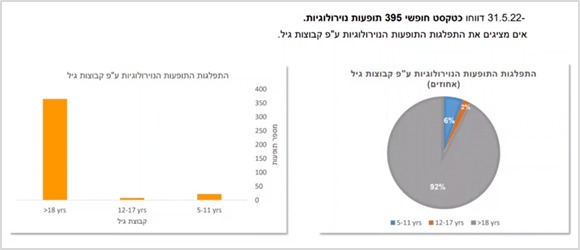 דווחו כטקסט חופשי 395 תופעות effects were reported as free text In the category of adverse events relate to the gastrointestinal / kidney and urinary system – 19% are among ages 5-11, and 5% are among ages 12-17. That is, the rate of reports in the younger group is 4 times higher than in the older group!
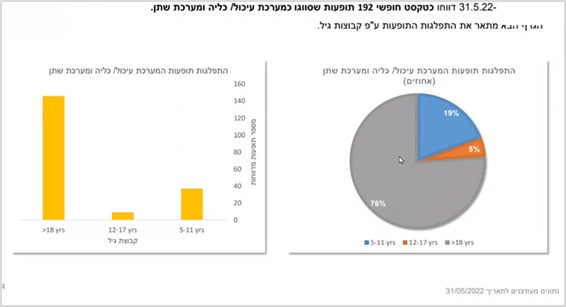 דווחו כטקסט חופשי 192 תופעות- 192 effects were reported as free text New adverse events that were not reported in Pfizer’s leaflet were identifiedAs can be seen from the slide below, the team identified and characterized neurological symptoms that were not previously known and are not mentioned in the physician’s leaflet of Pfizer’s Comirnaty vaccine, including Hypoesthesia (partial or complete decrease in skin sensitivity), Paraesthesia (abnormal skin sensation such as numbness, tingling, stinging or burning), tinnitus, dizziness and more.
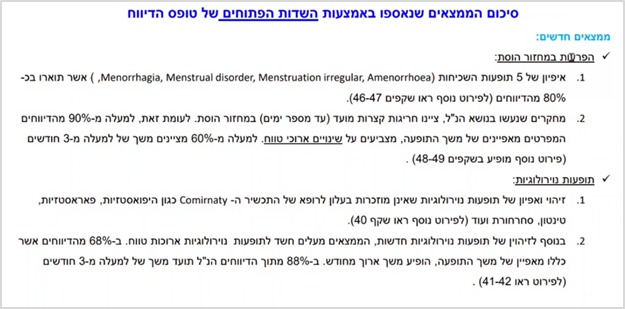 סוכום הממצאים – Summary of findings Are the adverse events indeed short-lived and transient? Some last more than a yearThe findings also include evidence that contrary to what has been claimed so far, various adverse events, including some serious ones, are not short-lived and pass within a few days, but in many cases last for months and even more than a year. It should be noted that the research team made it clear to the Department of Epidemiology that Pfizer needed to be notified regarding the long-term adverse events identified, as the company’s representatives said in a discussion held a few months ago that they had no knowledge of long-term adverse events. Thus, as can be learned from the slide presented above, as well as from the following slide, the research team found that while studies examining the topic of menstrual disorders have so far claimed that such disorders are short-lived (up to several days), in the present study most reports indicate long-term adverse events. For example, more than 90% of the reports, which relate to menstrual disorders and specify characteristics of the duration of the problem, indicate long-term changes. Over 60% indicate menstrual disorders lasting more than three months: in 26% of the cases, the menstrual disorder lasted 3-6 months; In 15% of the cases it lasted 6-9 months; In 10% of them it lasted a whole year, and in another 10% it lasted over a year. The researchers also noted that in 30% of cases, the menstrual disorder was described as persistent. That is, it did not end at the time the report was delivered. Similarly, with regard to neurological adverse events, in about 68% of the reports which included a characteristic of the duration, the problem lasting more than a month were documented, of which 88% lasted more than three months.
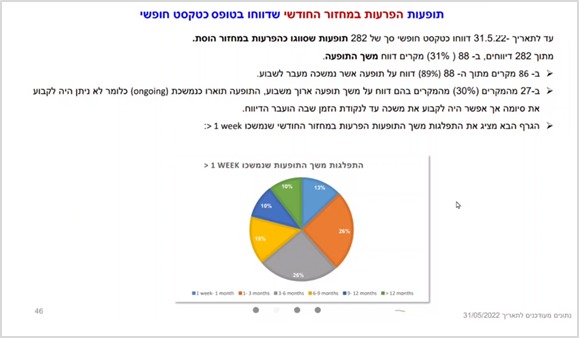 תופעות הפרעות במחזור – Symptoms of circulatory disorders Similarly, other reported adverse events have also been identified as long-lasting. For example, with regard to musculoskeletal symptoms, the researchers wrote that while Pfizer’s’ leaflet stated that adverse events such as back pain only lasted for several days and then disappear, in the current analysis – in 79% of the reports which included information about these adverse events, it was noted that the duration lasted more than a week. Of these, about 50% indicated a duration of over six months! Also with respect to adverse events related to the gastrointestinal, renal, and urinary tract, it was found that over 80% of the reports that included information on the duration of the problem indicated a duration longer than a week. In 30% of them, a duration of more than half a year was specified!
 סיכום הממצאים שנאספו באמצעות השדות הפתוחים -Summary of findings collected using the open fields Recurrence/exacerbation of adverse events following a repeated doseAnother finding identified and characterized by the research team is a phenomenon called Rechallenge – recurrence /exacerbation of a previous adverse event after receiving another dose of the vaccine – thus, it was found that in 10% of cases where menstrual disorders were reported, there was a recurrence /exacerbation of the adverse events following another dose of the vaccine.
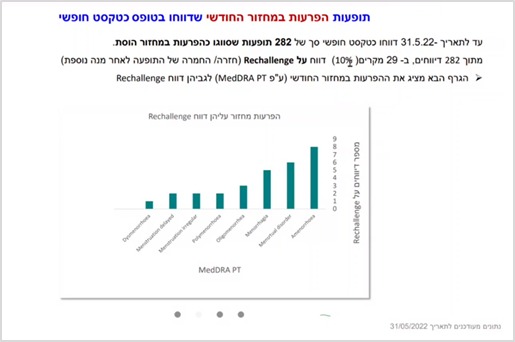 תופעות הפרעות במחזור החודשי שדווחו – Symptoms of menstrual disorders reported The two biggest HMOs “are keeping the information close to their chests”The disturbing findings of this study should be regarded as even more serious in light of the fact that the study was based mainly on reports received from the small funds, and mainly from Meuchedet, as the research team said during the presentation. According to Prof. Berkowitz, the largest HMOs – Clalit HMO and Maccabi HMO, “are keeping the information close to their chests”. It follows that the analysis conducted is extremely lacking and limited, and its findings reflect a severe underestimation of the extent of the true side effects. “It is not clear how, when it comes to such a critical study, the major HMOs do not cooperate, and it is even more unclear why the Ministry of Health does not require them to transfer data to the study,” the association’s members wrote to the state comptroller. It should be noted that even if the study was conducted on the basis of a full report from all the HMOs, these serious findings would still constitute under-reported, since the Nahlieli system is a voluntary reporting system, and it is known from the research literature that reporting in such systems only represents about 1% -10% of the adverse events found in reality. All the more so when it is known that the two central health funds did not cooperate in transmitting the data. The concealment of the findings by the Israeli MOH could also have a serious and critical significance in relation to children and infant vaccination at a global level since Israel is considered the “laboratory state”, as claimed by Pfizer’s CEO, Dr. Bourla. The CDC and the FDA rely on the Israeli data and findings to base crucial decisions in the US – decisions which other health authorities globally later follow. Every decision made in Israel regarding children’s vaccination thus has a worldwide impact, and if the decisions are made while concealing and ignoring findings, the results can be disastrous. Flashing warning lights – Ministry of Health ignores and hidesIt turns out that the findings of the study conducted by Prof. Berkowitz and his team are not the first warning signal regarding the safety of Pfizers’ COVID vaccine in children. Active monitoring for adverse events was conducted by the HMOs in Israel for about four months among 172 children aged 5-11, who were vaccinated as an initial group outside the label (under the authorization of the vaccine for kids 12-15 years old), also demonstrated acute safety signals (Ministry of Health circular: “Vaccination of kids aged 5-11 years against the new Coronavirus – an exception for individual cases from 27.7.21”, reference 548562821). Another flashing warning light rises from the gap found among vaccinated kids aged 5-11 years old between the number of those who received the first dose and the number of those who received the second dose. According to data from the Ministry of Health, there is a gap of 92,000 children who did not return to receive the second dose of the vaccine. “This figure, published without any details or explanation, reinforces the warning signal regarding the safety of these vaccines”, the letter to the State Comptroller stated.
As mentioned, the findings of Prof. Berkowitz’s study were presented to members of the Epidemiology Division as early as the beginning of June. However, despite this information, the Epidemiology Division issued on June 14, 2022, a directive to administer a booster dose to children aged 5-11 (Division of the Epidemiology Division: “The new Coronavirus vaccine – a third dose for children aged 5-11 years – Update No. 8 of the 14.6.22 “, reference 548562821).
Moreover, last week the Ministry of Health’s epidemic treatment team discussed the approval of the vaccine for babies and toddlers aged six months to 5 years old in Israel. Contrary to the discussion in which the vaccine was authorized for the 5-11 years old children, the discussion on vaccinating the babies – the most vulnerable group – was not held in public. The only publicly available information about the course of the discussion came out from tweets by some health reporters, according to which Pfizer and Moderna representatives presented during the discussion and overview of the effectiveness of their vaccines in children. As far as is known, no independent experts were invited to the expected sequel discussion this week.
Given the serious findings of Prof. Berkowitz’s study, as well as the fact that the Ministry of Health did not disclose these findings, despite the time that has passed since they were presented to its Department of Epidemiology, and instead decided to approve the vaccine for ages 5-11, and due to the concern that the findings of the study will also be ignored in the upcoming discussion regarding the infant vaccine approval, an urgent Freedom of Information Request (FOIA) has been recently filed by the Professional Ethics Front (Application No. 657228). According to the request, the information should be disclosed even if it is still raw, “Out of fear that there is a blatant violation of parents’ right to informed consent, and because it constitutes gross negligence, and puts children and infants at risk”. However, so far no response has been received from the Ministry of Health.
In light of the urgency of the situation, the Professional Ethics Front has urgently sought the intervention of the State Comptroller’s Office to ensure that the disturbing and serious findings are made public, as well as to immediately stop vaccinating young children and infants and prevent infant vaccination approval until the complete information on the safety of the vaccine in infants and children is fully investigated.
The Ministry of Health did not respond to questions sent to it – neither through the ministry’s spokespersons office nor through its COVID information headquarters. |
|

Pfizer-Funded Study Shows Poor Effectiveness for COVID-19 Vaccine in Young ChildrenThree doses of the Pfizer vaccine provided little protection against emergency room visits, urgent care encounters, or outpatient visits.By Zachary Stieber
A new study funded by Pfizer found the company’s COVID-19 vaccine did not perform well in children under 5.
Children aged 6 months to 4 years are supposed to receive three shots of the Pfizer-BioNTech vaccine. The number was increased from two when early testing showed little effectiveness.
Three doses of the Pfizer vaccine provided little protection against emergency room visits, urgent care encounters, or outpatient visits, according to the new study.
Researchers with and funded by Pfizer analyzed records from Kaiser Permanente Southern California. They included patients who tested for COVID-19 at an emergency department, urgent care, or outpatient setting along with being diagnosed with acute respiratory infection. The date range was July 23, 2022 through May 19, 2023.
Positive cases were those with a positive test result. Controls tested negative and had no evidence of prior infection in the past 90 days. Children were only counted as vaccinated if they received a second or third shot two or more weeks before being exposed to COVID-19. Children were excluded if they only received one dose, received any doses from a different company, or did not follow the recommended dosing schedule.
After adjusting for factors such as age and sex, researchers estimated just 12 percent effectiveness against medically-attended encounters for children who completed the three-dose primary series.
Confidence intervals crossed well over one, indicating that the effectiveness might actually be worse or even negative.
The effectiveness was estimated to be higher, or 44 percent, for children who received two doses of the regimen
Researchers speculated that the difference stemmed from more immune-evasive virus variants becoming dominant in the United States by the time children received a third dose.
“Updated vaccines will likely be needed to maintain protection against contemporary Omicron strains in young children,” they wrote.
The study was published by the Journal of the American Medical Association.
Sara Tartof, the study’s corresponding author and an employee of Kaiser Permanente Southern California, did not answer questions, including why researchers included those with two doses but not those with one dose.
Pfizer did not return a request for comment. 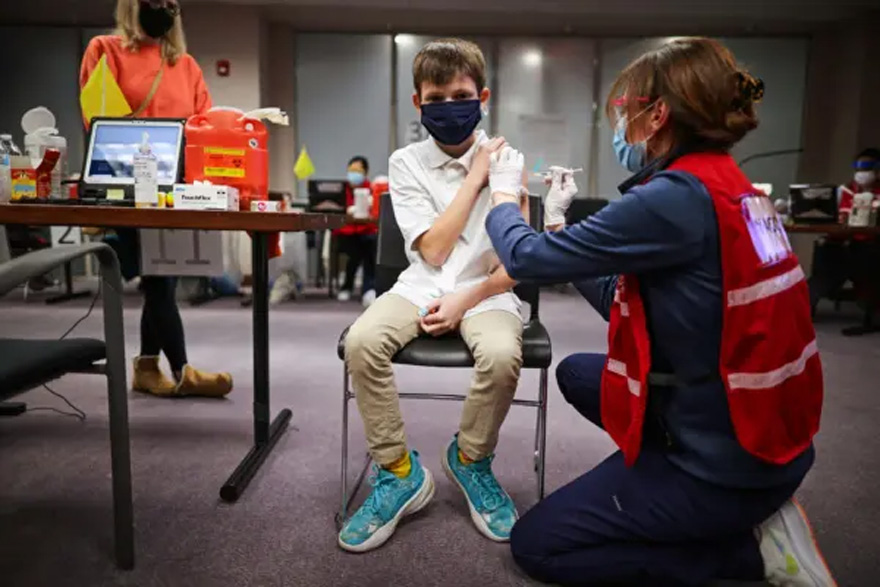 A child receives a dose of the Pfizer-BioNTech COVID-19 vaccine at the Fairfax County Government Center in Annandale, Va., on Nov. 4, 2021. (Chip Somodevilla/Getty Images) Key Problems
FDA Detects Serious Safety Signal for Covid Vaccine Among Kids
Among the key problems with the research were only including children who were diagnosed with acute respiratory infection (ARI), Dr. Robert Malone, who was not involved in the research, said.
That “may predispose to young children that lack a primary care physician/pediatrician,” Dr. Malone, who helped invent the mRNA technology Pfizer’s vaccine utilizes, told The Epoch Times via email.
“Likewise, the control group of non-vaccinated with ARI will also have selection bias. These intrinsic study biases make the relevance of the measured outcome to the general population quite problematic.”
Another issue is using positive results on polymerase chain reaction testing as the metric for having COVID-19, given the false positives the testing brings, Dr. Malone said. Some patients who tested positive may actually have another virus, such as influenza, he said. Need a TrialPfizer’s vaccine was authorized for children despite unreliable efficacy estimates against infection, and no efficacy estimates against severe disease.
The newly reported results are based on a test-negative design, which is inappropriate for measuring effectiveness, said Dr. Jay Bhattacharya, professor of health policy at Stanford University.
“The design starts with children who are already seeing a doctor and then makes strong and unsupportable statistical assumptions to derive the probability of seeing a doctor for vaccinated and unvaccinated children,” Dr. Bhattacharya, who was not involved in the research, told The Epoch Times via email.
“What is needed to answer this question without bias is a randomized control trial. I am shocked that the FDA has not asked Pfizer and Moderna to conduct such a study,” he added.
The U.S. Food and Drug Administration (FDA) cleared Pfizer’s shot on the basis of immunobridging, or comparing antibody levels in children after vaccination with levels in adults after vaccination.
Antibodies are believed to protect people against COVID-19.
The authorization has been the subject of protests, including a complaint that said the FDA violated its own standards with the clearance.
The FDA this month cleared new vaccines from Pfizer and Moderna for children. The only trial data was from 50 people aged 12 or older who received Moderna’s shot. The U.S. Centers for Disease Control and Prevention (CDC) recommended the shots to all people aged 6 months and older. CDC DataCDC data presented on Sept. 12 showed that both the Pfizer and Moderna vaccines failed to provide much protection to young children.
One dose of Pfizer’s vaccine provided just 8 percent protection against emergency room and urgent care visits beyond 13 days, while two doses provided a peak of 44 percent protection, according to the data (pdf).
A third dose provided 71 percent protection between 14 and 59 days, but the shielding plunged to 16 percent after two months.
A two-shot primary series of Moderna’s shot initially provided 46 percent protection. That shielding dropped even lower, to 24 percent, beyond 60 days.
The World Health Organization considers 50 percent as adequate effectiveness for vaccines.
A single dose of a bivalent shot, introduced in the fall of 2022, boosted protection to 61 percent, but no estimates were available over time and the estimate was based on just eight vaccinated patients who tested positive.
“This imprecision indicates that the actual [effectiveness] could be substantially different,” the CDC said.
Zachary Stieber
|
|

Defying Mainstream TyrannyPosted by Rabbi Michoel Green 2November2021 https://westbororabbi.blogspot.com/2021/11/defying-mainstream-tyranny.html
Nearly all parents submitted… they were in deNile. She cited religious exemption and kept her child home for as long as possible. Then she built him an ark so he’d survive, just like Noah survived the surging mainstream trends of his day. She preferred to surrender him to nature (i.e. Divine providence) before subjecting him to mainstream submersion. [2] This child grew up to be a conscientious objector to slavery and took bold action to stop authoritarian abuse of human rights, at great personal sacrifice. [3] He and his brother were not afraid of speaking truth to power. Citing their G-d-given right to religious freedom, they challenged the mightiest tyrant on earth and liberated their people for all time. Together with his brother and sister, he led his people though the wilderness to freedom. All because their mother would not submit to the dominant mainstream narrative. And in our turbulent times, the heroic Yocheveds among us are fearlessly building their arks, prepared to sacrifice everything to protect their young. But what can be done to save all the other children from mainstream a-Nile-ation? Who will stand up in defense of the children? Who will insist on defending our religious liberties that hang perilously in the balance? Who will speak truth to power and liberate our enslaved people from the grips of tyranny, an authoritarian assault that has no precedent nor parallel in all annals of history? Who will be today’s Moses’ and Aarons’ if not we? Notes:
|
|
Timely Advice from the Rebbe: Avoid Experimental Drugs!Posted by Rabbi Michoel Green 15March2021 https://westbororabbi.blogspot.com/2021/03/timely-advice-from-rebbe-avoid.html  Rabbi Menachem Mendel Schneerson “The Lubavitcher Rebbe,” was the leader of the Chabad-Lubavitch letter: Avoid Experimental Drugs! On this day 69 years ago, the Lubavitcher Rebbe wrote:2 Nissan 5712 Peace and blessing! [This is] in response to your letter from 23 Adar, in which you wrote to me that you had read in the newspaper that a new medicine for paralysis has been developed in the United States, discovered by a certain doctor in St. Louis, and you asked my opinion about this. According to what I was able to find out, this is not a tested or proven medicine. And in fact, it’s not [really] a medicine, but only eases the symptoms. There is also room for concern since these are potent injections which carry possible risk of injury, etc. Based on this, it is my opinion that it is not worthwhile to rely on the information we’re hearing and take measures which entail the aforementioned concerns. G-d will send healing through another medium, and you’ll soon be able to send me good tidings about this. With blessings for the Passover holiday to be kosher and truly happy, both for you and for your whole family, especially your grandson and parents, may they all live [and be well]. M Schneerson |
|
The Rebbe and the Covid VaccinePosted by Rabbi Michoel Green 20July2021 https://westbororabbi.blogspot.com/2021/07/the-rebbe-and-covid-vaccine.html  Rabbi Menachem Mendel Schneerson “The Lubavitcher Rebbe,” was the leader of the Chabad-Lubavitch Question:Did the Rebbe endorse vaccines? And if so, shouldn’t all Chabad adherents support the covid vaccine? Answer: No, the Rebbe did not endorse all vaccines, but only certain vaccines under certain conditions that no longer exist, especially not with regard to the novel covid shot. Consequently, true Chabad adherents should all oppose this so-called vaccine. Explanation: The Rebbe approved of a vaccine ONLY when it was:
Do you now understand why the Rebbe would not approve of the so-called covid vaccine? Does it even need to be spelled out? Okay, for the sake of clarity, here goes: This vaccine is:
It is abundantly evident that the Rebbe would deem this “vaccine” categorically forbidden and would highly discourage its use for anyone, especially not for children and young adults. We cannot allow the Rebbe’s opinion of the Salk Vaccine of the 50s to be misconstrued as a carte-blanch approval of all nominal vaccines of all times, especially not the dubious product under discussion that’s a “vaccine in name only.” The mere suggestion is utter falsehood and a perverse distortion of everything holy. [3] Instead, heed the Rebbe’s timeless words to gather ALL yidden for Torah study and prayer, and see to it that EVERY single child attend Talmud Torah together with his peers, and to increase in INDISCRIMINATE acts of goodness and kindness to EVERY single human being to hasten the true and complete redemption, and to start living in a redeemed mindset of Geulah, a time when all subjugation to secular governments will CEASE for all times. [4] Taking the covid shot is the very epitome of golus (exile), subjugation to nations, [5] שעבוד מלכיות. Say YES to redemption and NO to covid shots. Let’s heed the Rebbe’s actual wishes by protecting our children and all tinokos shel beis rabban, by insisting on the inviolable and non-negotiable unity of our people (“shleimus ha’am”), and by shielding oneself and others from this dubious shot at all costs. By doing so, we’ll be demonstrating true Redemption, freedom from tyranny and freedom to serve Hashem, complete in body and soul, gezunterheit un freilicherheit, in the true and complete Redemption. May it be right NOW. Notes: [1] Yevamos 14a, based on Deut. 14:1 [2] Isaiah 45:18 [3] The Rebbe once famously remarked in 1991, after several individuals had deliberately misinterpreted his words: “די וואס שפילן זיך מיט מיינע ווערטער הויבן זיך אן מיט מיר אליין — Those who misconstrue my words are starting up with me personally.” [4] See sicha of Shabbos Parshas Balak 5751 and elsewhere. [5] Rambam, Mishne Torah, Laws of Kings and King Moshiach, chapter 12:2. |
|
Say No to Human SacrificePosted by Rabbi Michoel Green 16April2021 https://westbororabbi.blogspot.com/2021/04/say-no-to-human-sacrifice.html Whoever offers their child up to “modern medicine” to receive the experimental injection is a modern-day idol worshipper engaging in human sacrifice. You are no different than the pagan who offered his child to the fires of Molekh for some perceived “greater good.” You’re not just an accomplice to the immolation and slaughter of your own child. You’re an accomplice to mass murder of millions of innocent children who will die from this lethal injection because of your participation in this depraved human experimentation. Remember the angel’s stern warning to Abraham: “Do not stretch forth your hand against the lad, nor do the slightest thing to him.” [1] He is not yours. You may not offer him up as a human experiment without his informed consent. He is a minor. G-d entrusted him in your care to protect and nurture him, not to jeopardize his life to satisfy your devout zeal and servitude to the deity of “public health.” Stop being a religious extremist and start being a parent. Say no to human sacrifice.
Notes: [1] Genesis 22:12 |
|

Do you really want to trust the Government with your kids’ health?23November2021 https://www.rivkalevy.com/do-you-really-want-to-trust-the-government-with-your-kids-health/ 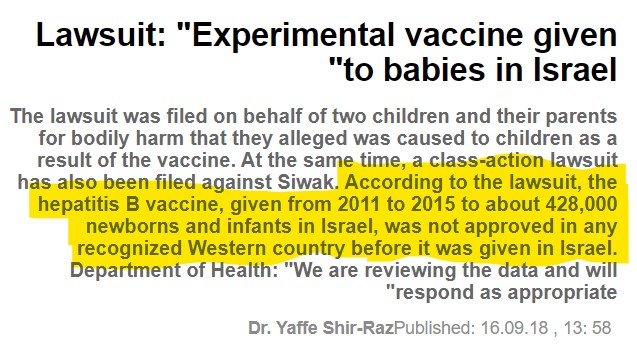 Lawsuit: An experimental, flawed, dangerous and harmful vaccine is given to newborns and infants in Israel without informing the parents and without their informed consent. Most people don’t know this, but the State of Israel has been ‘experimenting’ on children with vaccines for years.Today is meant to be the ‘big rollout’, God forbid, of more Covid shots for young children in Israel. You already know that all this is based on lies and a total disregard for truth.[SEE BELOW] HERE‘s Moshe Feiglin, calling it out for what it is:
 Israeli MK Moshe Feiglin-Health officials lied through their teeth ==== Snippet:
==== So many people have now been burned by serious ‘side effects’ from the Covid shots in Israel, that even hardcore ‘pro-vaxxers’ are losing trust in the government and doctors.My friend was telling me about her neighbor, who happily got triple-jabbed with the Covid 19 shots – and then had a totally unexpected miscarriage at 12 weeks. Since then, she’s lost her trust in doctors. And something else happened, too. ==== She started to research the Health Ministry’s track record on ‘experimental vaccines’ – and quickly tripped over this shocking news:Almost half a million babies were given a defective hepatitis B vaccine in Israel, between 2010-2015. No-one knows this, but there is a class action suit going on against the State of Israel and Ministry of Health right now, because this ‘defective vaccine’ never recieved FDA approval. And it lead to a massive surge in autism spectrum disorders, particularly amongst the boys who were injected with it. And the Ministry of Health here continued to use this ‘defective vaccine’ for a whole five years, until parents finally started to figure out what was going on, and started to organise themselves legally. ==== Here’s a little more of what my friend sent me:
==== The article is in Hebrew, but you can Google translate. Here’s a screenshot of the headline, followed by a snippet. Lawsuit: An experimental, flawed, dangerous and harmful vaccine is given to newborns and infants in Israel without informing the parents and without their informed consent. ==== Snippet:
==== It kind of speaks for itself, doesn’t it?So, you can go ahead and trust the Ministry of Health on these ‘experimental, flawed, dangerous and harmful vaccines’ they are rolling out for young children today, if you want to. But I don’t. After all the Yeminite Children sold to the US for secret radiation experiments and the MK Ultra project; and after the tens of thousands of Sephardi children who had their skulls ‘irradiated’ by the State of Israel as part of a contract with the US military during the ‘Ringworm Children’ scandal; and after the 428,000 newborns in Israel who were injected with an ‘experimental, flawed, dangerous and harmful’ hepatitis B vaccine – that didn’t have any FDA approval! – trusting Israel’s ‘Ministry of Health’ is the last thing I feel like doing. ==== Here’s a quote from the late, great, Barry Chamish, that sums up what the State of Israel did to the ‘Ringworm Children’:
==== And here’s a video from 2019 (not shmirat eynayim friendly, in Hebrew) describing the experiences of some of the families whose newborns were injected with the experimental hepatitis B vaccine closer to our days, between 2011-2015: האם חיסון ניסיוני נגד צהבת הוביל לפגיעה בתינוקות ישראלים? Has an experimental vaccine against hepatitis B led to harm to Israeli babies?==== The government is not our friend.Big Pharma has no qualms about ‘experimenting’ on whoever they can – with impunity, because they paid our politicians to pass laws that say they can not be held liable for the ‘side effects’ of the ‘vaccines’ they inject into everyone, which are way more about experimenting on humans than they are about healing them. You want to take a Covid shot yourself, that’s your decision, and you will have to deal with the consequences. But before you do that to your children, FIRST, DO YOUR HOMEWORK.Just do a little bit of checking, a little bit of factual analysis, a little bit of historical research, into whether you can really trust the people in white coats, and the politicians in the pay of Big Pharma, to tell you the truth about what’s really in these shots, and their potential side effects. ==== May Hashem give us all clarity to discriminate between truth and lies, and the courage to follow the truth to wherever it leads us, even when that’s a very uncomfortable place to hang out in.==== PS: As part of your due diligence, take a look at this interview with Spanish chemistry professor Dr Pablo Campra, talking about what he found in AstraZeneca, Pfizer, Janssen and Modern Covid 19 shots when he put them under the microscope. It has pictures, lots of information, and English subtitles:
Dr. Pablo Campra on the weird elements he saw in vaccination vials |
|

COVID Propaganda Roundup: Pfizer Knew mRNA Shots Sicken Infants in April 2021by TDB by Ben Bartee via the Daily Bell The latest updates on the “new normal” – chronicling the lies, distortions, and abuses by the Public Health™ authorities. Per internal Pfizer documents forced into the public domain by court decree, we know now that the company knew way back in April 2021 of the risks its mRNA gene therapy posed to infants. Via Pregnancy and Lactation Cumulative Review:
Doing some quick math, this means that Pfizer documented adverse effects in no less than 19% of the babies – almost 1 in 5 — that it observed to be exposed to the spike proteins produced by their mRNA shot. None of these findings, of course, were voluntarily disclosed by Pfizer, the Public Health™ authorities, or the corporate state media that the biomedical state effectively owns. To this very day, as a matter of fact, the CDC recommends that all pregnant women get shot up, as does the legacy media. COVID-19 vaccine during pregnancy protects newborns: CDCRelated: WHO pins blame on enterovirus for surge in infant myocarditis“On Tuesday, the WHO issued an alert that there had been a rise in ‘severe myocarditis’ in newborns and infants between June 2022 and March 2023 in Wales and England,” per The Epoch Times. Via World Health Organization:
Enterovirus, unlike mRNA manipulation for pregnant women, is nothing new. It is also not uncommon at all. Yet, in the same report, the WHO concedes that only one case of infant myocarditis in the same region was identified in the previous six years. So, all of a sudden, apropos of nothing, infants magically develop a surge in myocarditis due to enterovirus? That’s how The Science™ works. WHO head warns of ‘even deadlier pandemic’ comingWHO chief Tedros Adhanom Ghebreyesus appeared at the United Nations to issue a biomedical threat couched as a humanitarian warning:
What does this little weasel know that the public doesn’t? And why is he not under investigation by the International Criminal Court for making terroristic threats? Does he know some inside baseball on the clandestine US biolabs scattered across the world, including in the active warzone of Ukraine? First-Ever COVID vaxx injury lawsuits takes offThe COVID vaxx manufacturers Pfizer, Moderna, et al. are – illegitimately, in my view – immune from any liability for damages caused to people who took their experimental gene therapies. But the government actors who collude with them are not immune from violating the First Amendment by censoring COVID “misinformation.” Via the New Civil Liberties Alliance:
The named defendants include:
Former Biden press secretary and current MSNBC news actor Jen Psaki wasn’t shy in her former position about directing the censorship campaign directly from the presidential podium. Their hubris demonstrates how far down the tyrannical rabbit hole we’ve fallen. Psaki calls for social media to collaborate on banning people for COVID-19 misinformationThe unconstitutionality is patently obvious. Given that, the real question for those of us in favor of justice getting meted out good and hard have to wonder: why aren’t the feckless GOP pharma cucks in the Republican-majority House of Representatives pushing harder on this front? Perhaps, the question answers itself. Ben Bartee is an independent Bangkok-based American journalist with opposable thumbs. Join Armageddon Prose via Substack or Locals if you are inclined to support independent journalism free of corporate slant. Also, follow Armageddon Prose at Gab and Twitter for the latest content. Insta-tip jar and Bitcoin public address: bc1qvq4hgnx3eu09e0m2kk5uanxnm8ljfmpefwhawv My Plan B Blueprint to Become Anti-fragile The US and US dollar are clearly deteriorating. And there is a lot of danger in having too much exposure to a crumbling empire. That is why I have a Plan B, which has allowed me to:
And much more. A Plan B gives you the tools to respond to whatever the world throws at you from a position of strength. Subscribe now and I’ll send you this free video Contributor posts published on Zero Hedge do not necessarily represent the views and opinions of Zero Hedge, and are not selected, edited or screened by Zero Hedge editors. |
|
Pfizer secretly added heart attack drug to children’s COVID vaccines … but why?10November2021 by: Ethan Huff https://www.naturalnews.com/2021-11-10-pfizer-heart-attack-drug-children-covid-vaccines.html The Alex Jones Show:FDA Documents Show Pfizer Secretly Added Heart Attack Drug to Children’s COVID Vaccines(Natural News) A newly released document [See Below] shows that drug giant Pfizer added a secret heart attack drug to the children’s version of its Wuhan coronavirus (COVID-19) vaccine. The Food and Drug Administration (FDA) Advisory Committee that voted 17-0 to approve the jabs for children as young as five was notified that the children’s formulation of the drug contains tromethamine (Tris), a chemical that reduces blood acidity and stabilizes people who have suffered a heart attack. “Each dose of this formulation contains 10 ?g (micrograms) of a nucleoside-modified messenger RNA (mRNA) encoding the viral spike (S) glycoprotein of SARS-CoV-2 that is formulated in lipid particles and supplied as a frozen suspension in multiple dose vials,” the “vaccine formulation” page of the document explains. “To provide a vaccine with an improved stability profile, the Pfizer-BioNTech COVID-19 Vaccine for use in children 5-11 years of age uses tromethamine (Tris) buffer instead of the phosphate-buffered saline (PBS) as used in the previous formulation and excludes sodium chloride and potassium chloride.” This “new formulation,” the document further reads, must be stored at a different temperature than the adult version of the injection. Without so much as a second thought concerning this ingredient change, the FDA granted emergency use authorization (EUA) for this new drug to be administered to children as young as five. This FDA briefing document was titled “EUA amendment request for Pfizer COVID-19 vaccine for use in children 5 through 11 years of age,” and was given to the advisory committee prior to its vote. FDA needs to be defunded and disbandedNow, many want to know why Pfizer felt the need to replace PBS with Tris in the children’s version of its Fauci Flu jab. Does the company know that without it, “fully vaccinated” children will likely experience visible heart attacks? Is Tris being added to these children’s vials to try to cover up the cardiovascular events that they cause, or at least minimize them? Why is none of this being reported by the mainstream media? There are many questions without answers. And since so few people are asking questions in the first place, there may never be any answers given unless the people start demanding them. The FDA claims that it conducted a “thorough and transparent evaluation of the data,” but how can this be when the entire jab formula was changed under the cover of darkness? According to The Exposé, there is “overwhelming evidence against the safety of the vaccine and now a change in the formula used in clinical trials EUA should never have been granted.” Children do not even get sick from COVID-19 in the first place. So why do they need a useless and dangerous vaccine that contains hidden heart attack medications? (Related: Study: COVID-19 vaccine poses significant risks to children’s health.) Among the many side effects caused by Tris are respiratory depression, local irritation, tissue inflammation, injection site infection, febrile response, chemical phlebitis, venospasm (vein spasms), hypervolemia, IV thrombosis, extravasation (with possible necrosis and sloughing of tissues), transient decreases in blood glucose concentrations, hypoglycemia and hepatic necrosis with infusion via low-lying umbilical venous catheters. These adverse events are far worse than a few COVID sniffles, assuming a child develops symptoms at all (spoiler alert: most children don’t). “They are changing the jab recipe all the time, as it is experimental, for all age groups,” wrote one commenter at the Exposé. “If nobody can take legal action against the pharma companies then what is going to stop them? The answer is us.” One person pointed out that Tris is a synthetic skin care additive that is considered to be an “irritant.” “Sounds delightful,” that person joked. “Just what you want flowing around your body, through your heart, lungs and so on.” Follow ChemicalViolence.com for more news related to coronavirus vaccines. Sources for this article include: |
|
Why has Pfizer changed the formulation of its Covid-19 Vaccine for Children to include an ingredient that stabilises people suffering a Heart Attack?By The Exposé 1November2021 https://theexpose.uk/2021/11/01/pfizer-adds-ingredient-to-vaccine-for-kids-that-treats-heart-attacks/ A document prepared for the FDA Advisory Committee meeting, in which members voted seventeen to zero in favour of giving emergency use authorisation for the administration of the Pfizer Covid-19 injection to children aged 5 to 11, confirms that Pfizer have modified the formulation of their injection for children to include an ingredient that reduces the acidity of blood and is used to stabilise people who have suffered a heart attack. 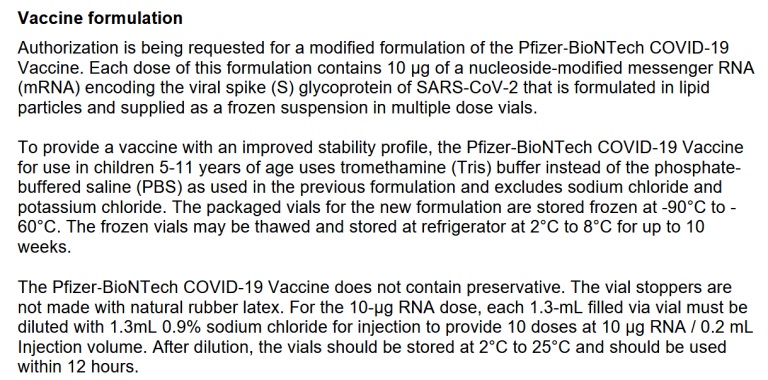 request modified formulation Pfizer‑BioNTech COVID-19 Vaccine” By Patricia Harrity The FDA Briefing Document titled ‘EUA amendment request for Pfizer-BioNTech COVID-19 Vaccine for use in children 5 though 11 years of age‘ “Authorization is being requested for a modified formulation of the Pfizer‑BioNTech COVID-19 Vaccine. Each dose of this formulation contains 10 μg of a nucleoside-modified messenger RNA (mRNA) encoding the viral spike (S) glycoprotein of SARS-CoV-2 that is formulated in lipid particles and supplied as a frozen suspension in multiple dose vials.” “To provide a vaccine with an improved stability profile, the Pfizer-BioNTech COVID-19 Vaccine for use in children 5-11 years of age uses tromethamine (Tris) buffer instead of the phosphatebuffered saline (PBS) as used in the previous formulation and excludes sodium chloride and potassium chloride”. EMERGENCY USE GRANTEDThe Food and Drug Administration (FDA) granted emergency use authorization (EUA) to Pfizer’s COVID-19 vaccine for children aged between 5 to 11 years old on October 29th 2021. The authorisation was based on what the FDA believes was their “thorough and transparent evaluation of the data” which included input from independent advisory committee experts, and the vote was overwhelmingly in favour of making the vaccine available to all children in this age group. However, with overwhelming evidence against the safety of the vaccine and now a change in the formula used in clinical trials EUA should never have been granted. THE 90% EFFECTIVE CLAIM IS MEANINGLESSThe Pfizer risk and benefit analysis presented to the FDA for EUA approval, states that resulting from their clinical trials they have found the COVID-19 vaccine to be 90.7% effective at preventing symptomatic disease in children ages five to 11. The UKs Joint Committee on Vaccination and Immunisation (JCVI) have said that the evidence strongly indicates that almost all children and young people are at very low risk from COVID-19. Where symptoms are seen in children and young people, they are “typically mild, and little different from other mild respiratory viral infections which circulate each year”. Children also recover from these infections quickly and according to many studies develop a robust broad spectrum immunity. The rates in 5 to 11 are so low that there were no “cases” of severe COVID-19 or death from either the treatment (n= 1,518) or control group (n= 750), this renders the “90% effective” claim, meaningless. This should have stopped an EUA application in its tracks, as clearly there is no emergency for this age group in particular and therefore no benefit either. TRIALS WERE TOO SMALLAdditionally, Pfizer admit that the number of participants in the current clinical development program is too small to detect any potential risks of myocarditis associated with vaccination or long-term safety of COVID-19 vaccine in participants 5 to 11 years old. The FDA had addressed this earlier in the year and asked Pfizer to expand the clinical trials, nevertheless, this had not happened., Pfizer just ignored them and instead “fudged it by importing data from a different study” according to experienced risk and benefit analyser Toby Rogers PHD. In his article, “Ten red flags in the FDA risk benefit” Toby Rogers simplified, “if the rate of particular adverse outcome in kids as a result of the vaccine is 1 in 5,000 and the trial only enrols 1,518 in the treatment group then it is unlikely to spot this particular harm in the clinical trial”. POLUTTED DATAThe study that was added “polluted data rather than clarified outcomes” as participants from cohort 1, which was 95.1% of the trial had safety follow-ups up to 2 months after Dose 2 and cohort 2 were only monitored for adverse events for a mere 17 days at the time of the September 6, 2021 data cut-off.” According to Dr Robert Malone, inventor of mRNA technology, the harms of myocarditis from these vaccines will likely unfold over the course of years the risks of “adverse events such as cardiomyopathy will be cumulative.” They will likely have to be repeated twice for each school year, at approx. six-month intervals. For minimal if any direct clinical benefit to the child and will not prevent infection”. Therefore, the trials did not allow nearly adequate time to analyse the long-term effects, but also the other 4.9% who did not have a safety follow up after dose 2 with no indication of whether they were in the control group or the treatment group, potentially skews the results. WHAT ARE THE OTHER RISKS OF THE VACCINE?Pfizer-BioNTech do admit however, that Myocarditis and Pericarditis have occurred in some people who have received the vaccine. A first dose of Pfizer’s vaccine comes with a risk of 3 to 17 cases of vaccine-induced Myocarditis and a second dose risks an additional 12 to 34 cases of myocarditis. How can this be deemed safe? Yet through the recording of adverse events following vaccination, we have been made aware of the many other risks there have been 837,593 reports to date to the US VAERS site alone. There is a remote chance that the vaccine could cause a severe allergic reaction according to Pfizer-BioNTech . A severe allergic reaction would usually occur within a few minutes to one hour after getting a dose of the vaccine. Signs of a severe allergic reaction can include: • Difficulty breathing • Swelling of the face and throat • A fast heartbeat • A bad rash all over the body • Dizziness and weakness |
|
Germany Set To Push Ahead With Child Vaccinations As Study Finds Zero Deaths From COVIDThe COVID World post date: 6December2021 https://thecovidworld.com/germany-set-to-push-ahead-with-child-vaccinations-as-study-finds-zero-deaths-from-covid/ A new pre-print study examining the deaths of children aged 5-11 from COVID in Germany has found that there have been no deaths of healthy children from the disease.
Click to Download the Study For children aged between 5-11, the numbers are even lower, with only 89 children in total needing intensive care treatment and only 4 deaths out of a total population of 5,267,742 children aged 5-11. Of these 4 deaths, none involved healthy children without comorbidities. The extremely low risk of serious illness or death in children from COVID highlights the absurdity of mandating vaccines for this age group, especially as the likelihood of serious adverse reactions from the vaccine is higher than serious complications from COVID, especially in healthy children. The death rate for children from COVID continues to be incredibly low. In all of Germany, only 14 children under the age of 18 have died of COVID, out of a total of 1.5 million infected. The insane policy of mandating vaccines for children under 18 is likely to produce more injuries than COVID itself, begging the question of why such a policy is being enforced in the first place. We will leave the reader to draw their own conclusions, although financial gain and political power seem to be the two most obvious reasons. Please support our ongoing work. |
|
Taiwan halts rollout of second Pfizer dose for teens due to widespread heart problems14November2021 by: Ethan Huff https://www.naturalnews.com/2021-11-14-taiwan-halts-second-pfizer-teens-heart-problems.html (Natural News) So many young people are developing myocarditis and other associated heart problems from the first Pfizer Wuhan coronavirus (COVID-19) vaccine dose that the government of Taiwan has halted administration of the second dose. Unlike the United States which cares only about money, all human life be damned, Taiwan decided that it is simply too risky to continue injecting teenagers with Fauci Flu shots. And the country is not even considering injecting children under the age of 12 with the poison. Until this issue with the second dose is officially settled, Taiwanese health officials have indicated that children aged five to 11 will not even be considered as candidates for the injections. Dr. Anthony Hinton from the U.K.’s National Health Service (NHS) warned about all this, suggesting that 20 percent of vaccinated children will die after two years, and 50 percent after five years. This is a medical holocaust of unspeakable proportions, in other words, and Taiwan is having none of it (if only Americans could be so lucky). “The public health frenzy to vaccinate kids is the ultimate example of process at all costs, the flywheel spinning ever faster, unmoored from reality,” writes Alex Berenson on his Substack about the insanity of what is taking place here in the United States. “Imma say it again: if you let your healthy teen – much less your healthy child – get this vaccine, you are insane.” Injecting your children with COVID vaccines is akin to murdering themKeep in mind that children have a zero percent chance, statistically speaking, of dying or even just getting sick from the Chinese Virus. Heck, prove that said virus even exists and then we can talk. Until then, parents really do have to be nuts to subject their children to this madness. Taiwan gets it, but many in the West, as demonstrated by their elected (selected?) leaders, are still woefully in the dark about what is taking place here. How did we get from “two weeks to flatten curve” to inject every last child on the planet with experimental gene modification drugs? And more importantly, why is the general public putting up with all this in the first place? Sure, some parents are fighting back. But they are the exception rather than the rule. At the same time, some parents are actually lining up as early as possible to get their little ones injected at “warp speed,” believing that these drugs will “save” them from Chinese Germs. The dumbing down process appears almost complete, and the mass genocide that follows will certainly teach everyone who bought into this a much-needed lesson about why it is never a good idea to give the government total power and control over your body. “I know we disagree on the topic of abortion,” wrote one commenter on Berenson’s blog, apparently supportive of abortion. “However, consider that once a political party not only endorses, but celebrates (shout your abortion) the murder of the most vulnerable in our society, it is clear that they will sacrifice children of any age for power and control.” Another responded to that comment saying that it is “absolutely correct” and an astute observation, if only more people would reflect on this. “We are in this mess because the belief in the sanctity of life no longer exists even within the Catholic Church,” this same person added. “This belief is the only thing I remember from all those religion classes in Catholic school, but apparently it’s not a doctrine the Church even teaches or speaks about anymore.” The latest news about injuries and deaths caused by COVID-19 injections can be found at Genocide.news. Sources include: |
|
STUDY: Vaccinating children against COVID makes zero sense; more children are harmed by the vaccines than from COVID24September2021 by: Lance D Johnson https://www.naturalnews.com/2021-09-24-vaccinating-children-covid-makes-zero-sense-harmed-vaccines.html (Natural News) A study published in Toxicology Reports on September 14, asks, “Why are we vaccinating children against COVID-19?”
Click to download the report Why are we vaccinating children against COVID-19The study also poses the question, “Why are we vaccinating the elderly against COVID-19?” Researchers from Italy, Russia, Greece, Romania and the United States dissected the data on covid-19 infection in children and in the elderly. They properly distinguished comorbidities in official covid-19 death statistics and compared survival rates from the infection with deaths associated with the covid-19 vaccine in relation to the total number of vaccinations administered. Governments should “put seniors first” and tell them to avoid the COVID vaccines at all costsApproximately six percent of the reported covid-19 deaths were exclusively caused by covid-19, as verified on the death certificates. These determinations of death were concluded using a fraudulently calibrated PCR test with Ct cycles as high as 45 (which almost guarantees a false positive). The bulk of the total 600,000 deaths reported (94 percent) were coded as covid-19 deaths, even though an average of four comorbidities were listed on the death certificates. Any one of these comorbidities could have been the cause of the patient’s death, not covid-19. Therefore, under conservative estimates, there were 35,000 or fewer covid-19 deaths in the US during the so-called pandemic. Most of the covid-19 deaths per capita occur in the elderly population (65+) who already suffer with comorbidities. Likewise, most of the post-inoculation deaths occur in the elderly who already suffer with comorbidities. If the comorbidities are addressed first and the proper treatments are administered, then the survival rate for covid-19 infection improves, and the perceived “necessity” of vaccines becomes less important. According to the study’s cost-benefit analysis, the most vulnerable in the 65+ demographic are five times more likely to die in the seven-day follow up period post vaccination than they are to die from a covid-19 infection. Again, many factors are important to consider here, namely the type of treatment the person receives; how many drugs are already compromising the individual’s immune system; and how the comorbidities factor into the equation. COVID vaccines are pointless for children, only add risk with no benefitThe authors of the study believe the covid-19 inoculations do not fit the definition of a vaccine. They are not tested for the prevention of either viral infection or transmission. The clinical trials sought to prove that the vaccines suppress the severity of a person’s symptoms, compared to a theoretical severe case of COVID. Not all cases of COVID pose severe symptoms, especially in the young cohort, who survive with ease. The clinical trials actually proved that the vaccine causes symptoms in healthy people, while provoking serious health issues in people with underlying comorbidities. These short-term trials did not use samples that represent the total population. The trials on adolescents were of small sample size and had poor predictive power. None of the trials addressed changes in biomarkers that would indicate elevated predisposition to serious disease. The trials also ignored any long-term effects that could be imposed on adolescents. There is no evidence to suggest that the covid-19 vaccines would prevent a single death in children, because covid-19 fatalities are practically nonexistent in children. Most covid-19 associated fatalities in children are recorded for kids who already suffer from leukemia. Because covid-19 infection presents as any normal childhood respiratory virus in children, and natural immunity is readily acquired, there is no scientific rationale to vaccinate a single child. As age decreases, the risk of death from covid-19 drastically decreases. The acute and long-term health issues caused by the inoculations only increase health risks for younger age groups, while providing no benefit. Because COVID vaccines do not stop transmission of the virus, there is no logical reason to put children’s health at risk for some delusional goal of collective public health safety. Sources include: |
|
Dr. Zev Zelenko Video ‘War Against God’Creating Cities of Refuge against the Corrupt Government Covid-19 mandates. https://zstacklife.com/ Dr. Zev Zelenko tells Mike Adams covid vaccines are a depopulation weapon against humanity |
|
Two and 3-year-old kids with seizures is “the new normal”06July2022 by: News Editors (Natural News) Doctors are mystified by a rash of seizures, rashes, etc. happening to 2 and 3-year-old kids. (Article by Steve Kirsch republished from SteveKirsch.Substack.com) The only thing these kids have in common is that they were given the COVID vaccine just days earlier (two to five days earlier). The doctors cannot figure out what is causing the seizures (since it couldn’t be the vaccine since those are safe and effective). The medical staff is not permitted to talk about the cases to the press or on social media or they will be fired. One nurse posted something to the effect of “how is this legal????” I had to paraphrase to protect the poster. This is why you are hearing these reports from me. They can’t fire me. There is nothing on the mainstream media about this since the nurses and doctors aren’t allowed to talk about it. This will all come out some day, but for now, everyone is keeping quiet about it and the doctors are instructed to convince the parents that it isn’t vaccine related and that they are the only ones having the problem. Because that’s how science works. Read more at: SteveKirsch.Substack.com |
|
Newborn baby’s arm AMPUTATED after mom took covid vaccines and baby suffered blood clots in the womb31July2022 by: Ethan Huff https://www.naturalnews.com/2022-07-31-baby-arm-amputated-mom-covid-vaccines-clots-womb.html (Natural News) One of the first known cases of Wuhan coronavirus (COVID-19) “vaccine” adverse effects being passed down from mother to baby has come to light, demonstrating the dangers of the shots for women who are or who later decide to get pregnant while being “fully vaccinated.” Little Zack Reilly is now missing an arm, reports indicate, after it had to be amputated almost immediately after his birth when it was discovered that the child had developed blood clots in both his now-removed left arm as well as his brain. The child was reportedly delivered in an emergency caesarean at 37 weeks on July 11, 2021. He had a “bruised and blistered” left arm, we are told, and the limb was removed after an MRI scan showed that he had suffered a stroke while still inside his mother’s womb. That stroke destroyed the child’s arm and brain, though he was initially said to be adapting “brilliantly,” according to media reports. His parents, one of whom is a Royal Navy assistant careers advisor and the other a telecoms engineer, say he enjoyed his first family barbecue, which made them proud – but the fun did not last. “For the first few weeks of Zack’s life, it felt like one thing after another was going wrong,” said the boy’s mother. “It was just heartbreaking.” In addition to losing and arm and suffering brain damage, little Zack now has seizures and no longer smilesLibby says her pregnancy was going along smoothly until the final days before he had to be delivered early. She started feeling “these sharp cramps,” she says, “which I thought were contractions.”
“We rang the hospital saying we thought it might be contractions, but they said it didn’t sound like I was ready to come in yet,” she told the media. “Then, the next day they became worse and were so painful I couldn’t feel if he was moving or not, so they said we should come in.” Zack ended up being born at 6 pounds, 6 ounces, and it was very clear, his mother says, that something was very wrong with his arm. Hospital officials determined, based on the boy’s black and bruised arm, that he had suffered a blood clot requiring amputation. No apparent mention was made about any potential link between the boy’s disastrous health condition and Fauci Flu shots. “He was in a lot of pain at first, though, and I had to take myself away at one point, as it was just too upsetting,” Libby said about the removal of her newborn son’s arm. Then, she found out that Zack had brain damage due to a suspected clot, which could leave him unable to use some muscles. He also might be debilitated once he grows up with no ability to walk or even talk. “I just felt so upset for him. It’s like we were robbed of everything – normal labor, meeting my child for the first time and then having a healthy, happy family.” After taking Zack home for the first time, he appeared to be smiling and somewhat happy. That only lasted for a little while, though, as the boy stopped smiling over Christmas and suddenly started having seizures. We are also told that Zack now has “mild hearing loss,” for which he now has to have hearing aids (Related: You will find more stories about covid jab injuries and deaths at CovidVaccineVictims.com). “But you can still talk to him and he understands you without them,” Libby claims. “We came home and celebrated, dancing around the kitchen to music together.” More related news coverage about the damage being caused by Fauci Flu shots can be found at ChemicalViolence.com. Sources include: |
|
Study: COVID-19 vaccine poses significant risks to children’s health03November2021 by: Mary Villareal https://www.naturalnews.com/2021-11-03-covid-vaccine-poses-more-risks-to-children.html (Natural News) Data collected by the Centers for Disease Control and Prevention (CDC) showed that individuals under the age of 18 have accounted for less than two percent of hospitalizations due to the Wuhan coronavirus (COVID-19). The risk of severe illness or death from COVID-19 in healthy children is almost zero. With data collected for over 19 months, the risks clearly outweigh the benefits of getting COVID vaccination for younger children. For most other viruses, young children are among the most vulnerable. It is not entirely surprising to immunologists as research revealed that children fare well against the virus due to their innate immune response – the body’s quick reaction to pathogens. Health officials are aware that COVID poses little risk to childrenThe CDC, National Institutes of Health (NIH) and Food and Drug Administration (FDA) all know of the data showing the little risk of COVID in children. They are at low risk of spreading the infection to other children and adults and they have little risk of taking the virus home with them. Children are less at risk of developing severe illness and are far less susceptible to the virus, implying that any vaccination or clinical trials on children with a low risk of spreading illness and death are contraindicated, unethical and possibly harmful. (Related: Kids Pricked for Profit: The Financial Ties of Vaccine Promoters to Big Pharma.) A team of researchers from Johns Hopkins University recently reported that after looking at a group of about 48,000 children in the U.S. who had been infected with the virus, they found no COVID-related deaths among the healthy kids. After studying comprehensive data, the team found a mortality rate of zero among children with no pre-existing medical condition. A separate study suggests that children can also more easily neutralize the virus as their T-cells are relatively naive and can thus respond and optimally differentiate more rapidly, making a more robust response to novel viruses. Children and adults in general display diverse immune responses to COVID-19 infections. There are far fewer cases or deaths in children because they have molecules that help mobilize immune system response during early infection. They also have cytokines that combat viral replication. Vaccine ineffective at mitigating spread of virusA separate study of 36 counties also showed that vaccinated individuals can still spread the virus, showing that current vaccines are not working well with the predominant delta variant and that there is no difference between the vaccinated and the unvaccinated in infecting, colonizing, carrying and transmitting the virus. Based on shreds of evidence collected, the vaccines are seen to be ineffective against the delta variant, especially now that the delta variant is learning how to thrive against the vaccine. A leading Israeli health official reported that vaccinated individuals account for 95 percent of severe cases, and 90 percent of new COVID-related hospitalizations. A similar situation is also emerging in the U.S., with new infections among the vaccinated reported. With this in mind, there is generally no benefit to vaccinate children who are at a low risk of infection in the first place. Between their young age and their innate immunity, children should not get the vaccine. Dr. Geert Vanden Bossche noted: “Children who get the disease mostly develop mild to moderate disease and as a result continue to contribute to herd immunity by developing broad and long-lived immunity.” The COVID-19 vaccine will only weaken the healthy immune systems of children. Follow Pandemic.news for more news and information related to coronavirus vaccines. Sources include: |
|
Doctor makes shocking admission about safety of coronavirus vaccines for young children01November2021 by: Zoey Sky https://www.naturalnews.com/2021-11-01-doctor-shocking-admission-covid-vaccines-children.html (Natural News) The Food and Drug Administration’s (FDA) Vaccines and Related Biological Products Advisory Committee (VRBPAC) on Tuesday, Oct. 26, approved the emergency use of Pfizer’s Wuhan coronavirus (COVID-19) vaccine for children aged five to 11. But during the eight-hour discussion, one doctor made a shocking admission: There was no way to guarantee how safe a vaccine is unless you start giving it to people. Are vaccines really safe?Six hours into the conference, Dr. Eric Rubin, editor-in-chief of the New England Journal of Medicine, commented on how widespread the rollout of the coronavirus vaccine should be. Rubin admitted that despite Big Pharma’s insistence that coronavirus vaccines are safe and that they are key to ending the pandemic, it’s impossible to find out how safe the vaccines are unless they’re administered first. He added that this is usually the case for vaccines and their many side effects and rare complications. While data suggests that the vaccine works and is considered safe, Rubin acknowledged that doctors are worried about side effects that still haven’t been measured accurately – like the heart condition myocarditis. A person with myocarditis has an inflamed myocardium or heart muscle (the muscular layer of the heart wall). This muscle is responsible for contracting and relaxing, and pumps blood in and out of the heart and to the rest of your body. When the myocardium becomes inflamed, it becomes ineffective at pumping blood. The condition causes symptoms like an abnormal heartbeat, chest pain and breathing difficulty. In extreme cases of myocarditis, the patient may experience blood clots that can cause a heart attack or stroke, damage to the heart with heart failure and even death. Children shouldn’t be vaccinated to protect adultsThe committee voted 17 to 0 with one abstention in favor of recommending the emergency use of Pfizer’s COVID-19 vaccine in young children. The one abstention came from Dr. Michael Kurilla, who said he “would have preferred a more nuanced approach” instead of a blanket authorization for young children. Dr. Cody Meissner, a pediatrician at Tufts Medical Center, another committee member, expressed his concerns over the possibility of a vaccine mandate for children. He added that if the committee members vote “yes,” the states might mandate the administration of the Pfizer vaccine for children to go to school, which he thinks would be a bad idea. (Related: FDA trying to hide data showing Pfizer’s covid “vaccine” is seriously injuring children.) Dr. James Hildreth, a temporary committee member, also voiced his concerns about the number of children who have already been infected with the coronavirus. According to estimates, almost 40 percent of children already had some form of immunity to the disease. Hildreth noted the irony in vaccinating children to protect the adults when the opposite would be the wiser option. If 30 million children already have some form of immunity, they’ve already done their part to help achieve herd immunity in the county. Now, health experts should be focusing on convincing more adults to protect the children, added Hildreth. Back in September, Pfizer announced that the vaccine is safe for children aged five to 11. However, outside experts warned that the clinical study did not produce enough data. The Pfizer vaccine for younger children is a smaller dose than the one given to those aged 12 and older – 10 micrograms of mRNA and 30 micrograms, respectively. The full vaccination series includes two doses given three weeks apart. The children’s doses will come in vials with an orange cap and an orange label while the doses for adults and teens have a purple cap and a purple label. With the passing vote of the VRBPAC, the process for getting vaccines to young children is in progress. Once the FDA leaders approve the decision, the Centers for Disease Control and Prevention‘s (CDC) independent advisory will meet on Nov. 2 and 3 to decide if a vaccine will be recommended for this age group. The final decision will be made by FDA leaders within the next few days. If authorized, the move would make nearly the entire U.S. population eligible for a coronavirus vaccine, with only children aged four and younger ineligible. Visit Immunization.news for more updates on coronavirus vaccines. Sources include: |
|
Ten year study shows that UNVACCINATED are far healthier than their vaccinated peers who suffer from more respiratory infections, asthma, allergies, etc.Sunday, December 13, 2020 by: Lance D Johnson https://www.naturalnews.com/2020-12-13-unvaccinated-children-are-healthier-than-vaccinated-peers.html (Natural News) The Centers for Disease Control (CDC), the Department of Health and Human Services (HHS) and the National Institute of Health (NIH) refuse to conduct any study comparing the unvaccinated child to his/her peers. While HHS is legally obligated to conduct safety studies every two years and report to Congress in accordance with the 1986 National Childhood Vaccine Injury Act, it was admitted in a 2018 court ruling that none of these vaccine safety studies were ever conducted over a thirty year span!
This medical fraud has enabled the rise of a predatory vaccine industry and a growing number of recommended childhood vaccinations. However, as childhood vaccinations increase, the health of American children has not improved in the past thirty years and respiratory infections are rampant. Visits to the pediatrician have skyrocketed, with chronic health issues becoming a normal way of life for many. A whopping 54 percent of children and young adults in the U.S. now suffer from chronic illnesses that lead to life-long pharmaceutical prescriptions. Ten-year study finds that unvaccinated children are healthier in several metrics and enjoy 25 times fewer pediatric visitsA new study published in the International Journal of Environmental Research and Public Health finds that UNVACCINATED children are far healthier than vaccinated children. As the rate of vaccination increases, so does chronic health issues such as asthma, allergic rhinitis, respiratory infections, eczema and a host of other health problems. The study, titled, “Relative Incidence of Office Visits and cumulative Rates of Billed Diagnoses Along the Axis of Vaccination” shows how childhood vaccination causes an increasing number of pediatric visits and an influx of diagnoses. The research followed 3,300 pediatric patients for ten years and was conducted at Integrative Pediatric, a pediatrics practice in Oregon run by Dr. Paul Thomas, M.D.
During the study, Thomas’s pediatric practice prioritized parental decision-making and followed the informed consent doctrine of the American Medical Association. The plan allows parents to stop or delay vaccination if vaccine injuries were present. Not every child processes vaccine ingredients in the same way; conditions like eczema, developmental delay, allergies, or autoimmune conditions are typical signs that their body is unable to process the vaccines. Dr. Thomas’s practice contained the perfect mix of children who ranged from being unvaccinated to partially vaccinated to fully vaccinated per the CDC’s guidelines.
The study found that the unvaccinated child shows fewer signs of respiratory infections and fewer fevers at well-child visits. The unvaccinated child required twenty-five times LESS pediatric care over a ten year span! The CDC pushes for 70 doses of 16 vaccines on a child before they reach the age of 18. Children who received 90 to 95 percent of the CDC-recommended vaccines for their age group were about 25 times more likely to see the pediatrician than the unvaccinated group. Vaccinated children (with a family history of autoimmune issues) suffer more compared to their unvaccinated peersAn important feature of this study was Dr. Yehuda Shoenfeld’s work, which singled out a predisposition to vaccine injury called autoimmune syndrome induced by adjuvants. If there is family history of autoimmunity, children who get vaccinated are more likely to suffer from ear infections, asthma, allergies and skin rashes, when compared to the unvaccinated who also share the same family history of autoimmune issues. The aluminum adjuvant and the other various chemicals in the vaccine may turn on the genes that enable autoimmune issues. Family history of disease is important in determining whether vaccines should be used in the child. Vaccinated children up to six times more likely to suffer from anemia, allergies, sinusitis and asthmaThe most concerning aspect of the study was the rise in chronic health issues among the vaccinated children. The vaccinated children were three to six times more likely to wind up in the pediatrician’s office to treat anemia, allergies, sinusitis and asthma. The vaccinated were also 70 percent more likely to suffer from various respiratory infections compared to the unvaccinated. Do the vaccines weaken overall immunity and make children more susceptible to other infections? (Related: Vaccinated children face a 3,000% increase in allergic rhinitis.) No ADHD in the unvaccinatedThere was absolutely no ADHD in the unvaccinated children, but as vaccination uptake increased, ADHD and behavioral issues increased. Thomas’s practice halted vaccination when signs of ADHD were prevalent, which is why his practice saw roughly half the rate of ADHD overall, when compared to the general population. Vaccine-preventable illnesses were not prevalent in the vaccinated or the unvaccinatedStrangely, a quarter percent of the vaccinated were diagnosed with infections that the vaccines were supposed to prevent, including chicken pox or whooping cough. A slight uptick in chicken pox and whooping cough was observed in the unvaccinated, but they all recovered and gained lifelong immunity to the infections. Predictably, there were no cases of measles, mumps, rubella, tetanus, hepatitis, or any other vaccine targeted infection for the children who were vaccinated. Surprisingly, there were also NO CASES of these infections in the unvaccinated during the entire 10.5-year study period. This brings up the question: Are the vaccines even necessary, or do they impose a burden of unnecessary harm to children? 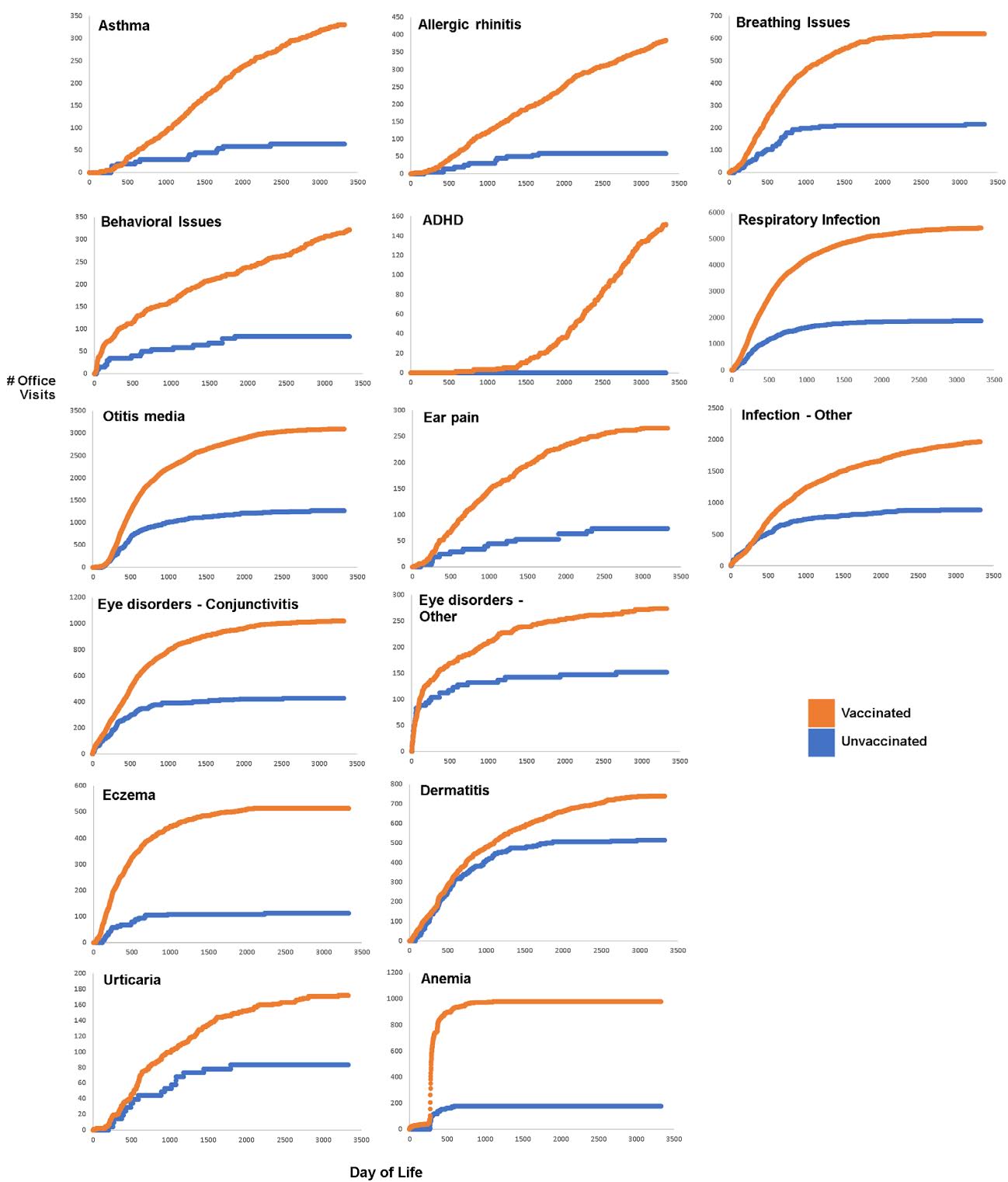 age-specific cumulative office visits
Sources include: |
|

Groundbreaking Study Shows Unvaccinated Children Are Healthier Than Vaccinated ChildrenThis study adds to a growing list of published peer-reviewed papers that compare the health of vaccinated children to the health of unvaccinated children. These studies suggest we have long underestimated the scope of vaccine harms, and that the epidemic of chronic illness in children is hardly a mystery.By Alix Mayer, MBA 07 December 2020 https://childrenshealthdefense.org/defender/unvaccinated-children-healthier-than-vaccinated-children/
Unvaccinated children are healthier than vaccinated children, according to a new study published in the International Journal of Environmental Research and Public Health.
The study — “Relative Incidence of Office Visits and Cumulative Rates of Billed Diagnoses Along the Axis of Vaccination” — by James Lyons-Weiler, PhD The study the CDC refused to doSince 1986, the Centers for Disease Control and Prevention (CDC) has been legally obligated to conduct safety studies and issue a safety report on children’s vaccinations every two years. In 2018, it was determined they had never done so. It is therefore incumbent upon non-governmental groups to do the work the CDC refuses to do.
As the leading governmental organization driving vaccination among Americans, the CDC refuses to incriminate themselves in the epidemic of childhood chronic illness. It is a classic case of the fox guarding the henhouse. They are complicit in creating an evidence vacuum to deliberately manage against the possibility of the public turning against vaccination.
Since the Lyons-Weiler and Thomas study demonstrates that vaccinated children have more chronic illness and were also more likely to get respiratory infections, those who downplay vaccine risks will be sent into another round of apoplectic machinations to attempt to invalidate the results.
When research highlights anomalies that diverge from a dominant scientific paradigm, it’s important to remember that the playground of science is not in proof, but in the accumulation of evidence that bolsters an emerging paradigm. The Lyons-Weiler and Thomas study strengthens this emerging paradigm that vaccines may cause more harm than previously documented and characterized. A perfect pediatric practice to study health outcomes among varying rates of vaccinationThomas’ pediatric practice follows The Dr. Paul Approved Vaccine Plan, allowing for fully informed consent and parental decision-making in vaccination choices for their children. The plan was developed to reduce exposures to aluminum-containing vaccines and to allow parents to stop or delay vaccinations if some telltale signs of vaccine injury were starting to appear. Conditions like allergies, eczema, developmental delay or autoimmune conditions are typical signs that a child’s immune system is not processing vaccines normally.
These conditions serve as early indicators to help the parent and pediatrician consider slowing or stopping vaccination. As such, Dr. Thomas’ practice has an incredible mix of children who range from fully vaccinated, to partially vaccinated, to not vaccinated at all, making it the perfect pediatric practice to mine for insights into side effects of vaccination. Study results based on relative incidence of office visitsThe Lyons-Weiler and Thomas study was conducted among pediatric patient records spanning 10 years, from Thomas’ practice in Oregon. Instead of using odds ratios of diagnoses in the two groups, the authors found that the relative incidence of office visit was more powerful. Even after controlling for health care exposure, age, family history of autoimmunity and gender, the associations of vaccination with many poor health outcomes were robust. Unvaccinated children have less fever, seek 25X less pediatric care outside well-child visitsThe study found that vaccinated children in the study see the doctor more often than unvaccinated children. The CDC recommends 70 doses of 16 vaccines before a child reaches the age of 18. The more vaccines a child in the study received, the more likely the child presented with fever at an office visit.
Any concerns that the non-vaccinated or less-vaccinated children would avoid the doctor are unfounded, and puts the jaw-droppingly large difference in office visits in perspective — outside of well-child visits, children who received 90 to 95% of the CDC-recommended vaccines for their age group were about 25 times more likely than the unvaccinated group to see the pediatrician for an appointment related to fever.
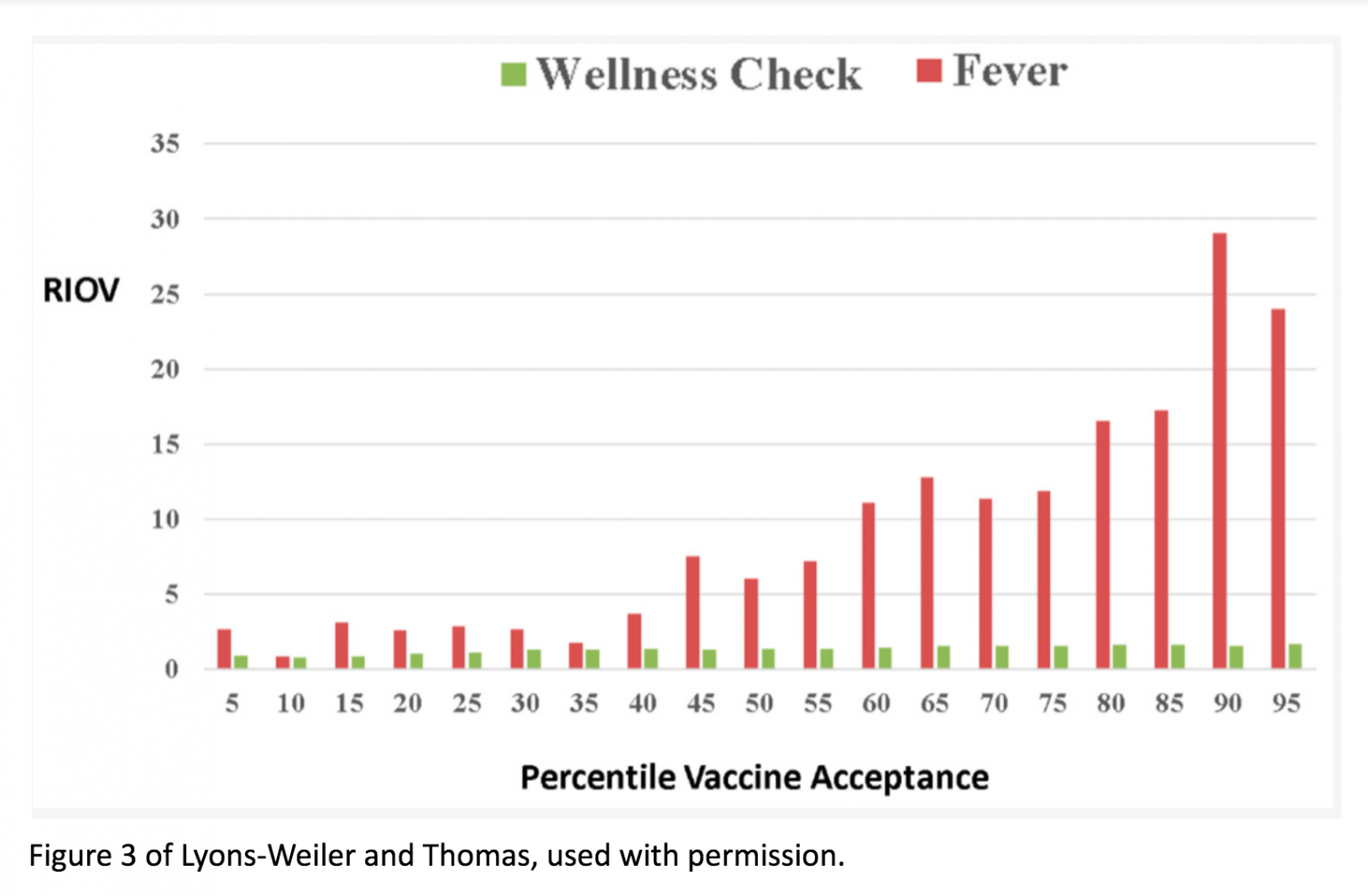 Children got CDC recommended vaccines office visit for fever vs non vaccine
Compared to their unvaccinated counterparts, vaccinated children in the study were three to six times more likely to show up in the pediatrician’s office for treatment related to anemia, asthma, allergies and sinusitis. The striking charts below show age-specific cumulative office visits for various conditions among the fully vaccinated compared to the unvaccinated. age-specific cumulative office visits No ADHD among unvaccinatedIn a stunning finding sure to rock the psychiatric community, not a single unvaccinated child in the study was diagnosed with attention-deficit hyperactivity disorder (ADHD,) while 0.063% of the vaccinated group were diagnosed with ADHD. Likely due to the vaccine-friendly plan parent-doctor dyad decision-making at Dr. Thomas’ practice, the overall rates of ADHD and autism in the practice were roughly half the rates found in the general population of American children. Low levels of chicken pox and whooping cough in vaccinated and unvaccinatedRegarding the question of whether or not vaccines prevent the infections they are intended to prevent, a quarter of a percent of the vaccinated were diagnosed with either chicken pox or whooping cough, while a half percent of the unvaccinated were diagnosed with chickenpox, whooping cough, or rotavirus. Vaccinated 70% more likely to have any respiratory infectionVaccinations do appear to make recipients more generally susceptible to infections, so it is ironic, yet not surprising that the vaccinated children in the study appeared at the doctor’s office for respiratory infections 70% more often than the unvaccinated. This finding is likely why vaccinated children present to the pediatrician so often with fevers. Your grandmother was right when she asked why kids these days seem to be sick all the time, despite heavy vaccination. Family history of autoimmunity correlated with ear infection and allergic conditionsDr. Yehuda Shoenfeld and others have described a condition called autoimmune syndrome induced by adjuvants (ASIA), where genetics and family history of autoimmunity appear to pre-dispose vaccinated patients to higher risks of developing an autoimmune condition. With this in mind, the authors compared patient records from those with a family history of autoimmune conditions — such as multiple sclerosis, type I diabetes or Hashimoto’s thyroiditis — to patients whose families do not have autoimmunity. The results were striking. Vaccination among children with autoimmunity in their family appeared to increase the risk of ear infection, asthma, allergies and skin rashes relative to the unvaccinated with family history of autoimmunity. Past studies have used a weaker statisticReaders of the study will learn about flaws in past vaccine safety studies, such as over-adjustment bias, in which the data are analyzed many times over in search of the right combination of variables to make associations of adverse health outcomes with vaccines go away. One of the most important findings of this study is that the comparison of the number of office visits related to specific health condition is a far more accurate tool than just using the incidence of diagnoses. In fact, the study authors show this with simulation — and they point out that studies that use odds ratios with incidence of diagnosis are using a low-powered special case of the method introduced by their study, the relative incidence of office visits, because patients with a “diagnosis” have at least one billed office visit related to the diagnosis. The authors conclude that future vaccine safety studies should avoid using weak measures such as odds ratios of incidence of diagnosis. ConclusionSince the study found healthcare seeking behavior could not explain vaccination rates, the only remaining explanation of why vaccinated patients require more healthcare for symptoms of chronic illness associated with vaccination is that vaccines are not only associated with adverse health outcomes — they are also associated with more severe and chronic adverse health outcomes. Recalling that 54% of children and young adults in the U.S. have chronic illnesses that lead to life-long pharmaceutical prescriptions, it seems a lot of human pain and suffering could be reduced by adhering to informed choice regarding the true risks of vaccination, and heeding signs of vaccine sensitivity. Although the authors call for more studies to be conducted using similar methodology, this study should certainly cause pediatricians to pause and wonder if they are contributing to life-long chronic illness in some of their patients. Suggest a Correction |
|
RFK Jr. Defends His Comments on Vaccines: ‘I’m Going to Tell the Truth’‘The reason people have lost faith in this program is that they’ve been lied to by public officials for year after year after year,’ the health secretary says.By Zachary Stieber, Senior Reporter
Health Secretary Robert F. Kennedy Jr. defended his recent statements about vaccines during a congressional hearing on May 14.
“I’m going to tell the truth about everything we know and we don’t know about vaccines,” Kennedy told Sen. Chris Murphy (D-Conn.) while testifying before the Senate Health Committee. “I am not going to just tell people that everything is safe and effective if I know there are issues. I need to respect people’s intelligence.”
Several lawmakers expressed concern about Kennedy’s recent comments, which include saying that the protection conferred by the measles, mumps, rubella (MMR) vaccine wanes over time.
“The result is to undermine faith in the vaccine,” Murphy said.
“It’s kind of like saying, ‘listen, I think you should swim in that lake, but you know, the lake is probably toxic, and there’s probably a ton of snakes and alligators in that lake, but I think you should swim in it.’ Nobody is going to swim that lake if that’s what you say. I want you to acknowledge that when you say you support the measles vaccine, and then you go out and repeatedly undermine the vaccine, with information that is contested by public health experts, that is not supporting the vaccine.”
Kennedy responded, “If I advise you to swim in a lake that I knew there to be alligators in, wouldn’t you want me to tell you there were alligators in it?
“The reason people have lost faith in this program is that they’ve been lied to by public officials for year after year after year.”
Several outbreaks of measles have appeared in the United States in 2025, including an outbreak in Texas that has spread to hundreds of people. Texas officials say most patients are unvaccinated or have unknown vaccination status.
The Centers for Disease Control and Prevention says the administration of two doses of the MMR vaccine is 97 percent effective against measles.
Studies, including a paper from French researchers, have found that the protection wanes slowly over time. “We’re always going to have measles, as the vaccine wanes very quickly,” Kennedy said recently at a town hall.
He has also noted that the MMR vaccine has side effects and that many vaccines on the childhood vaccination schedule have not been tested in randomized, controlled trials against placebos.
That “means we don’t understand the risk profile for those products and that’s something that I intend to remedy,” Kennedy told lawmakers on May 14, referring to the Department of Health and Human Services’ announcement that all new vaccines must be tested against placebos before being licensed.
Kennedy testified before the Senate panel and the House of Representatives Appropriations Committee. It was the first time he appeared before Congress since being confirmed in February.
Rep. Mark Pocan (D-Wis.) asked Kennedy, who has said his children received the typical vaccines in their childhood, if he had a child today, would he get that child vaccinated with the MMR shot?
“Probably,” Kennedy said. “I would say my opinions about vaccines are irrelevant.
“I don’t think people should be taking medical advice from me. I think if I answer that question directly, that it will seem that I’m giving advice to other people, and I don’t want to be doing that,” Kennedy said, adding that health officials were going to try to outline the pros and cons, or the risks and benefits, of each vaccine.
Pocan tried to get Kennedy to answer the same question for the chickenpox and polio vaccines. The health secretary demurred.
Republicans largely steered clear of vaccines during the hearings. A number of them praised developments under Kennedy, including the banning of some artificial dyes and the focus on cutting costs at the health agency.
“You’ve done more to shine the light on things that average Americans can do to make themselves healthier than almost any secretary that I can recall,” Sen. Jon Husted (R-Ohio) said, “so thank you for that service.”
|



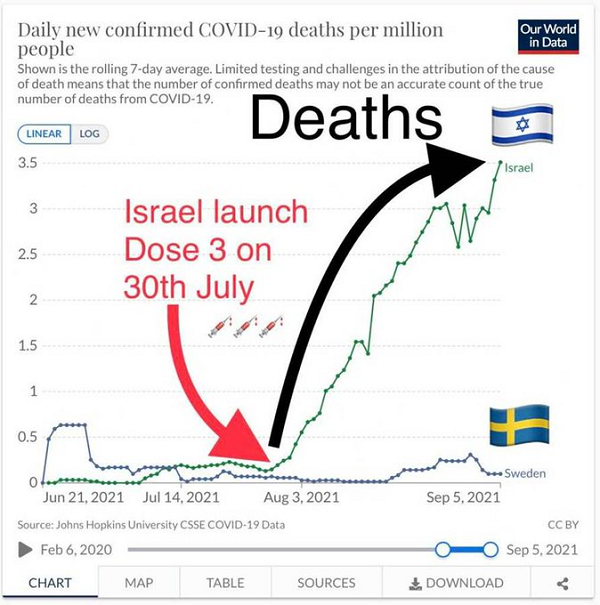
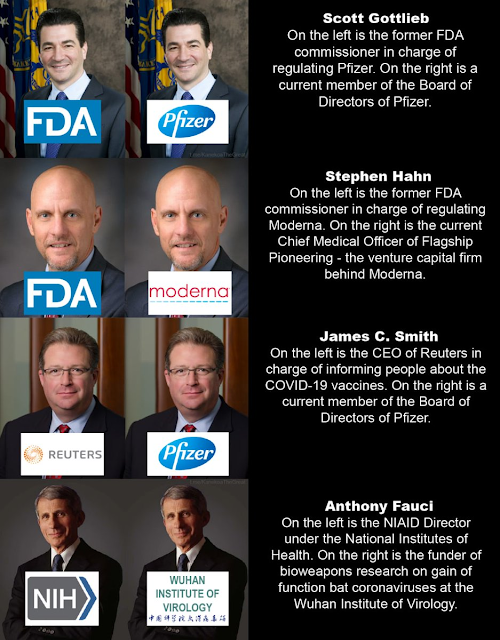




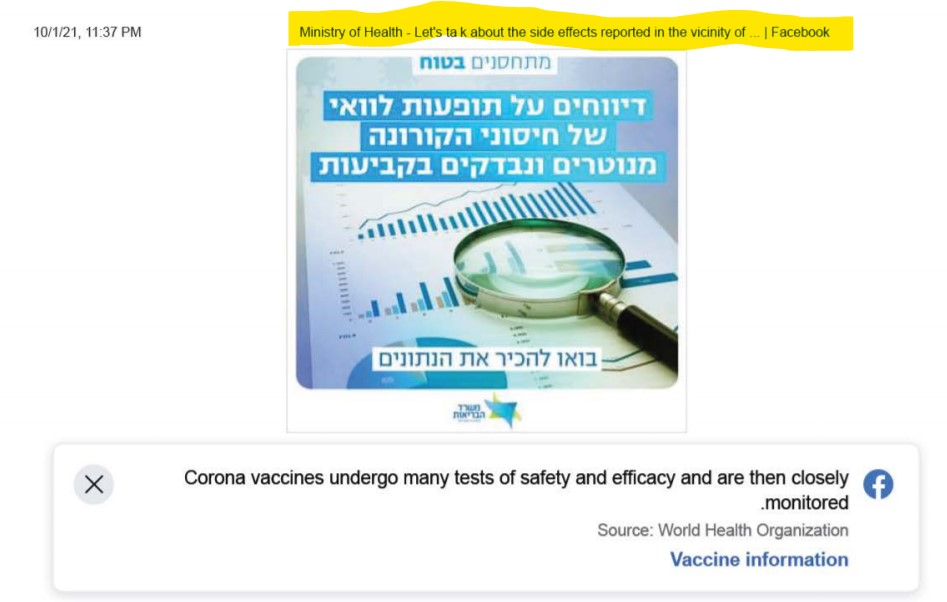
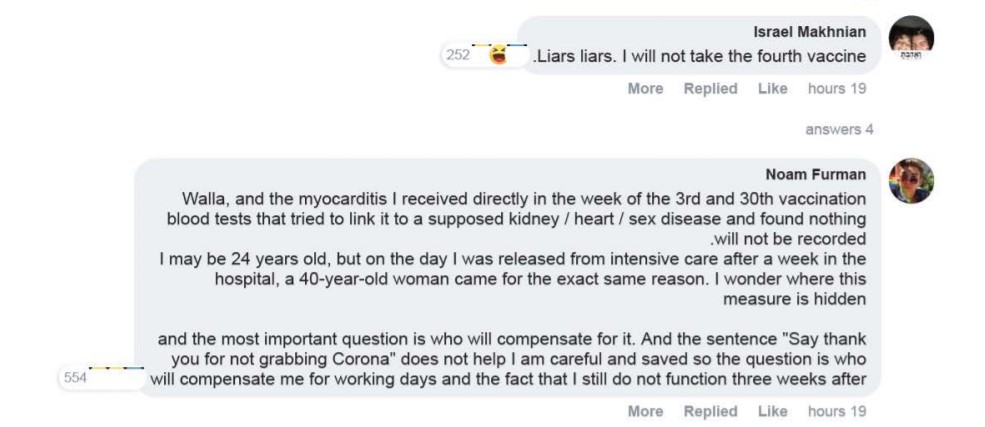
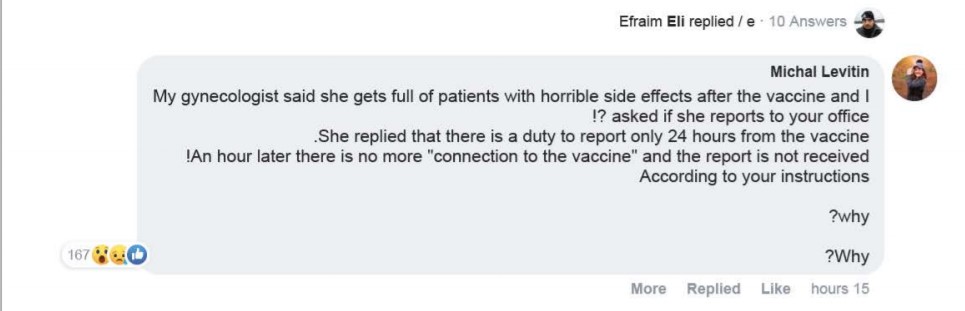
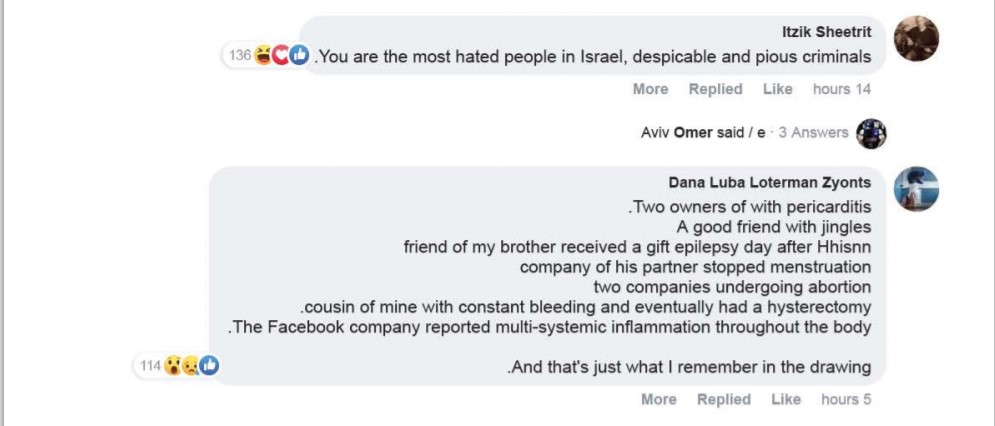
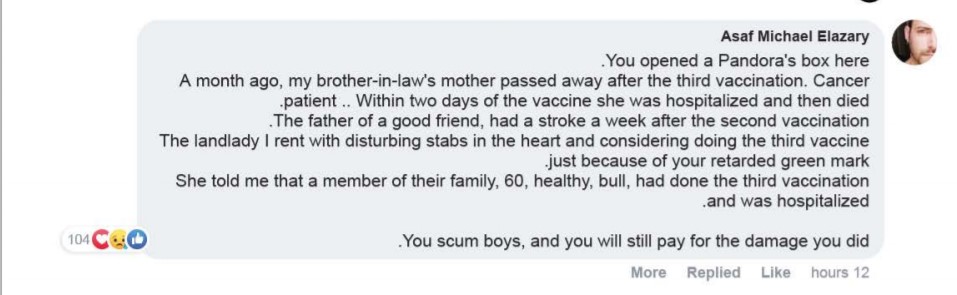
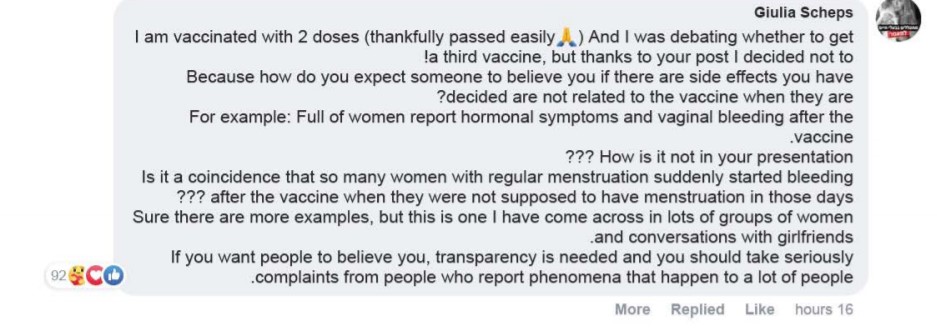
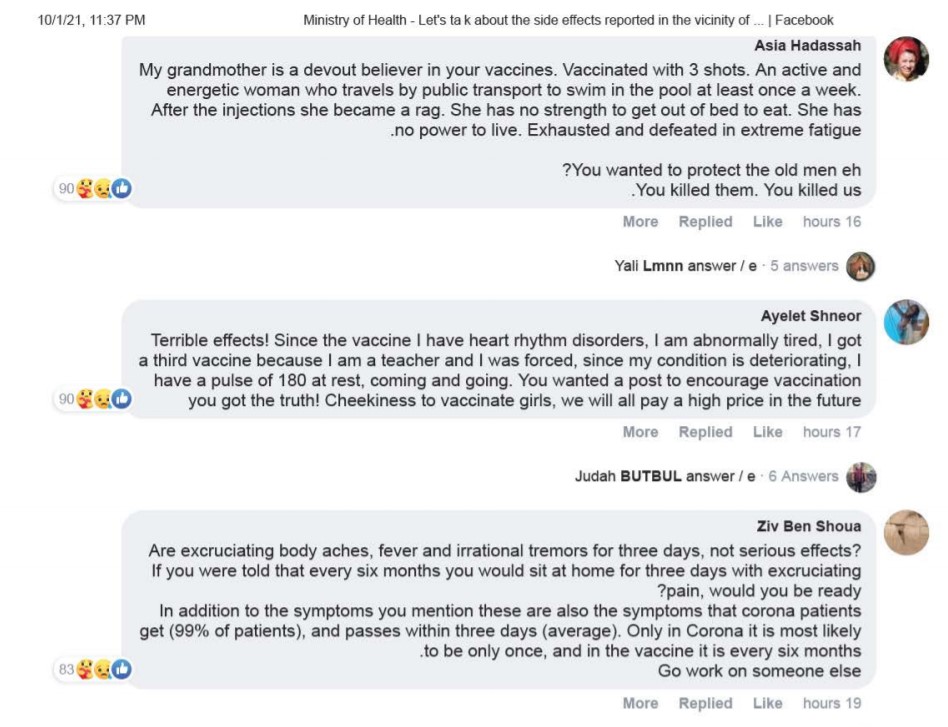
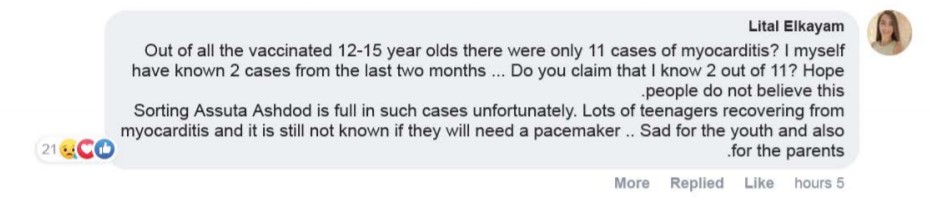
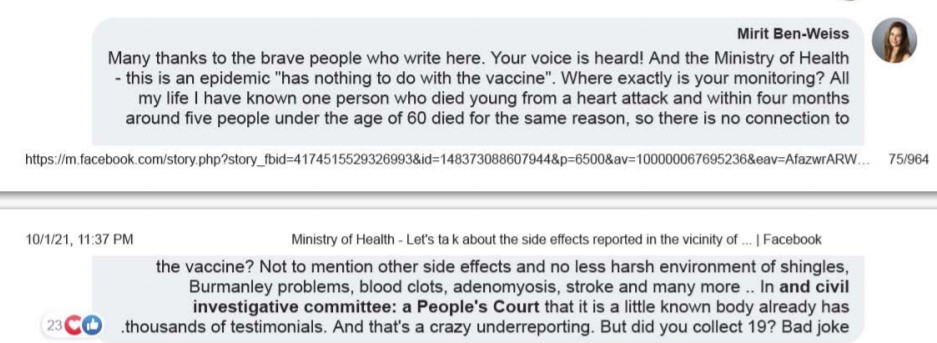
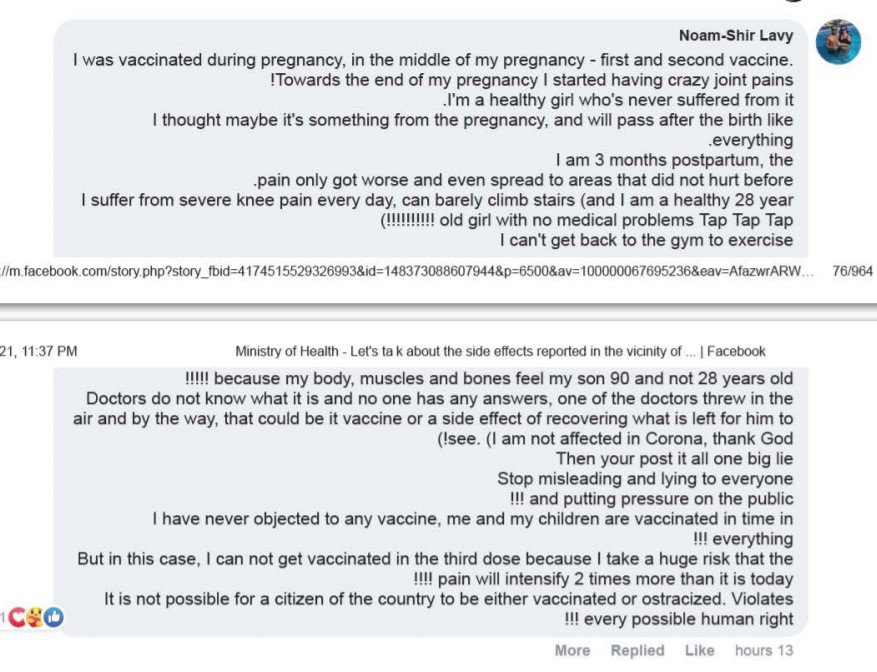
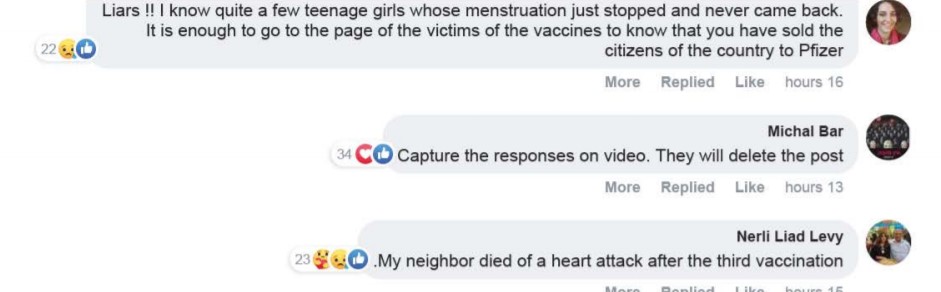
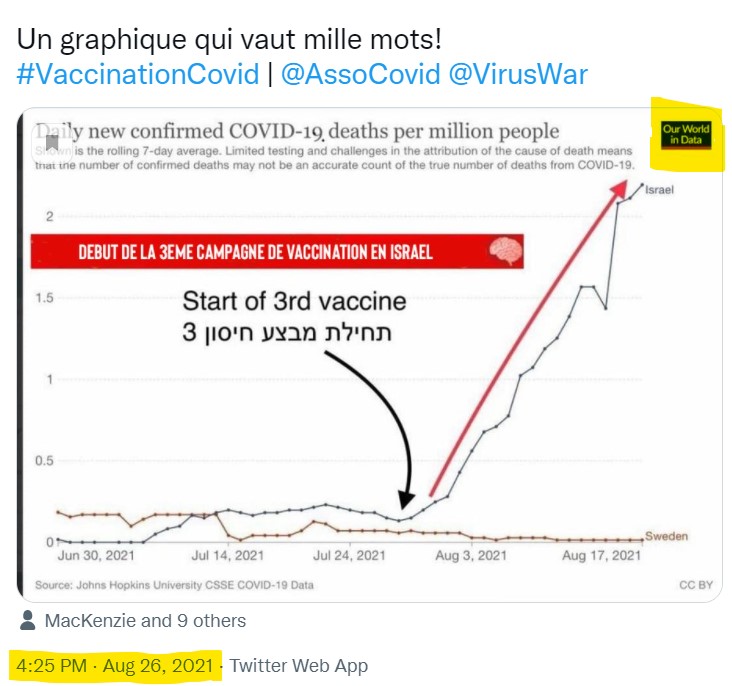


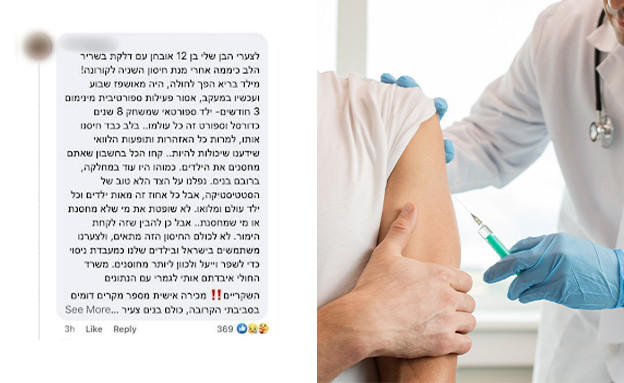
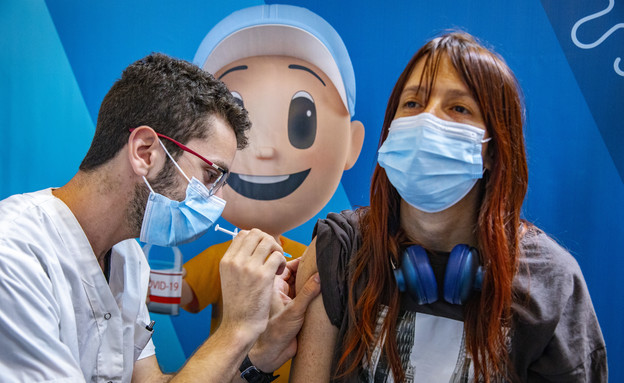

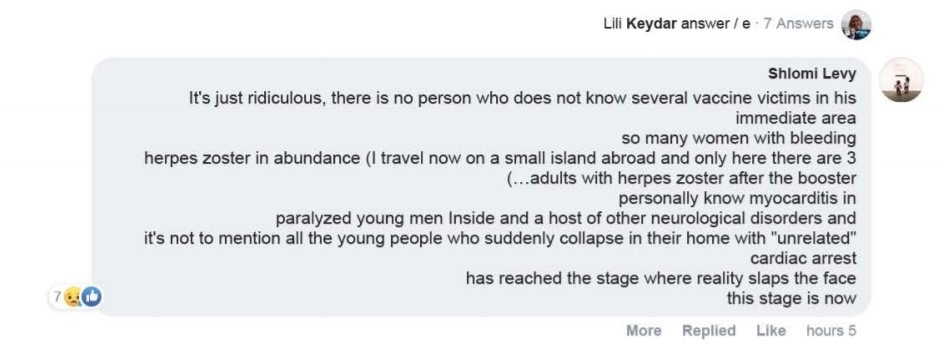
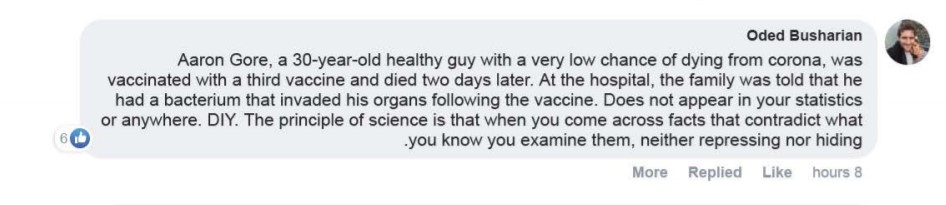
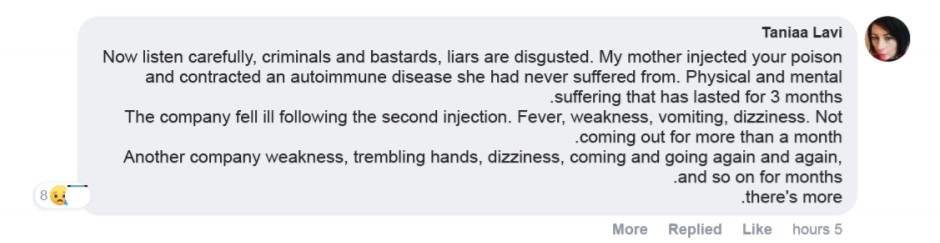
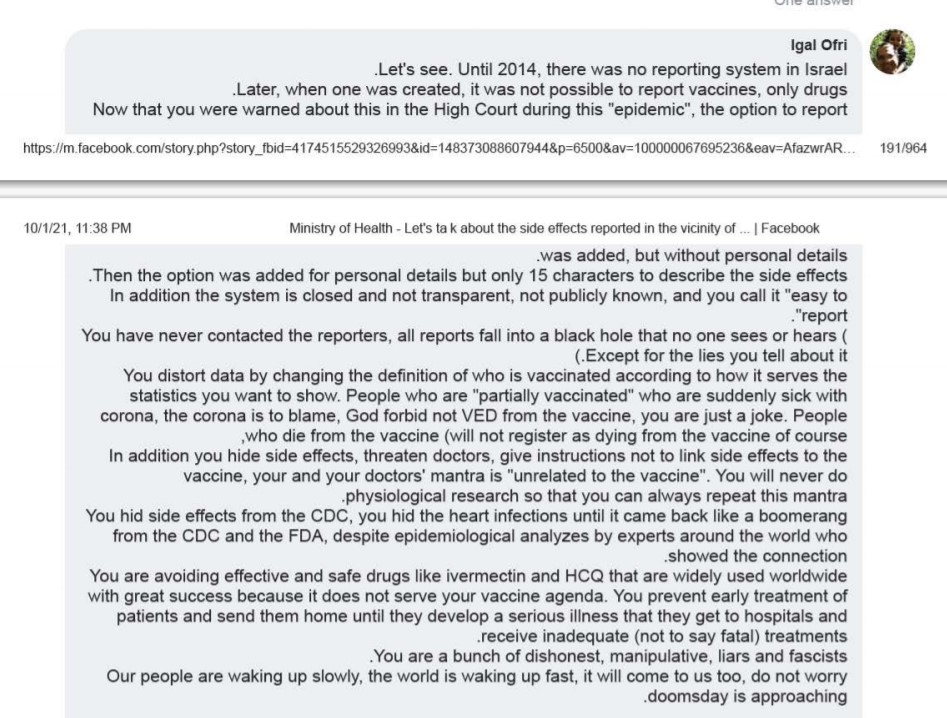

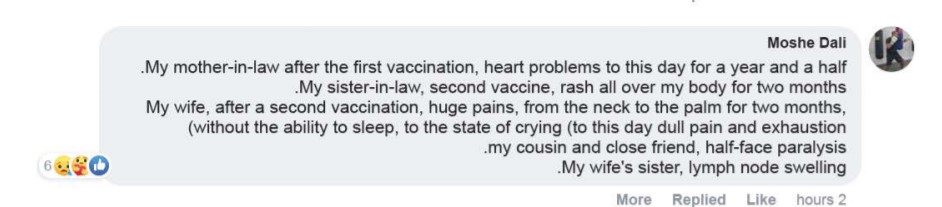

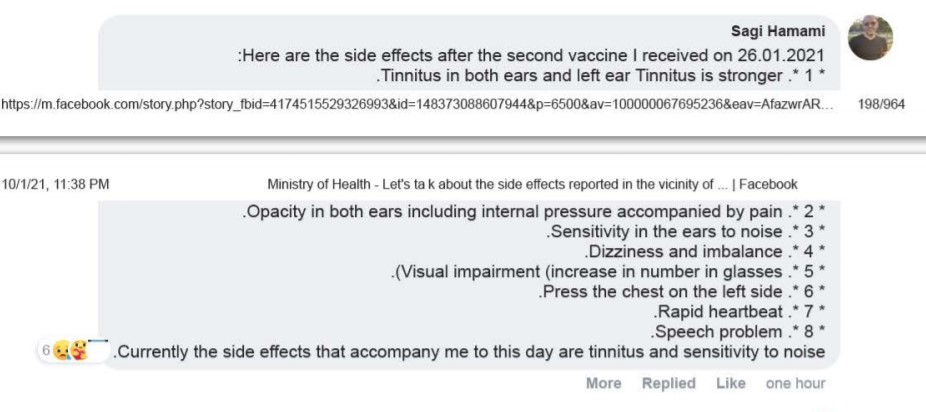

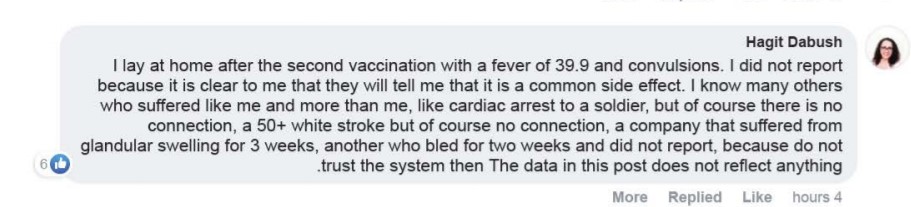
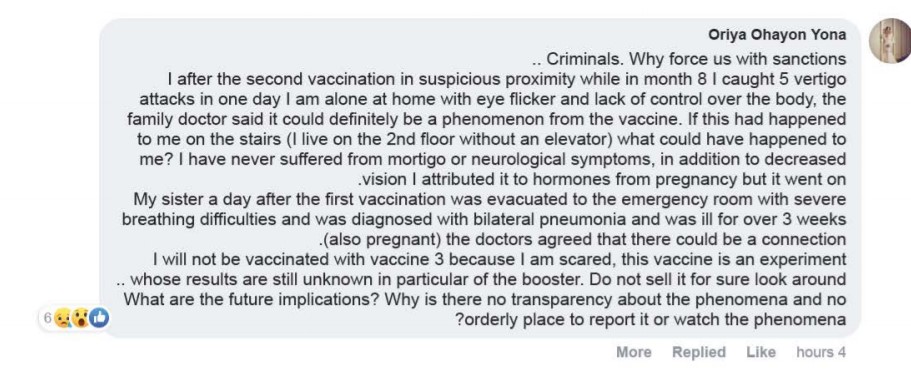
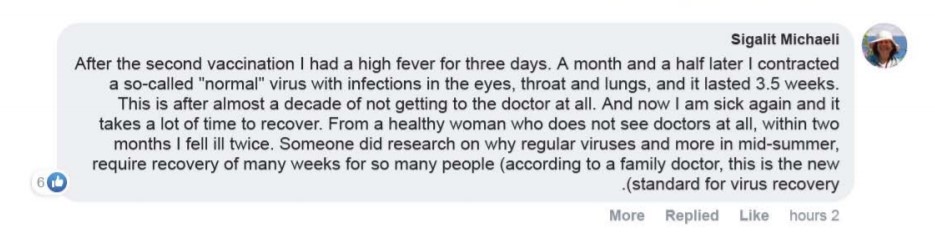

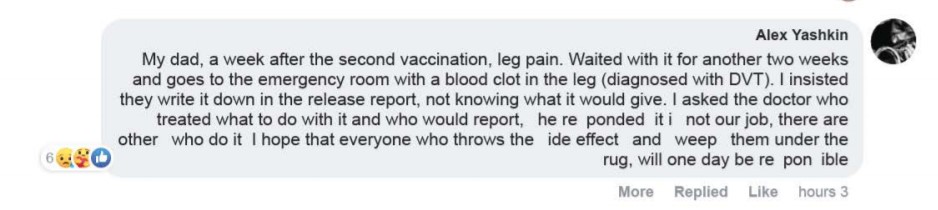
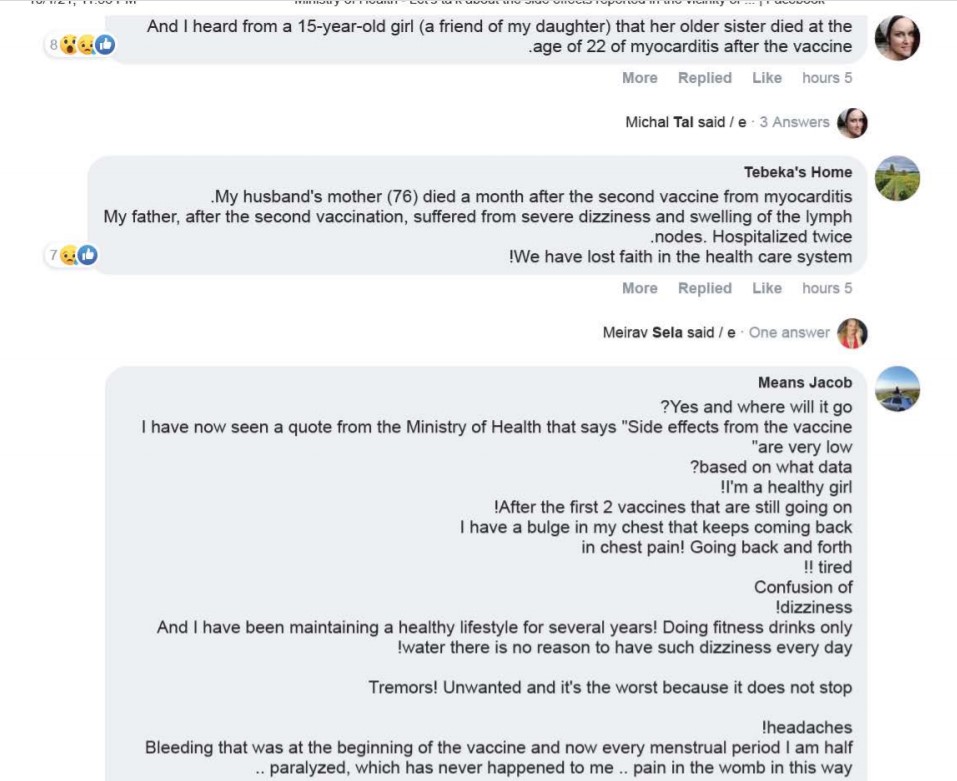
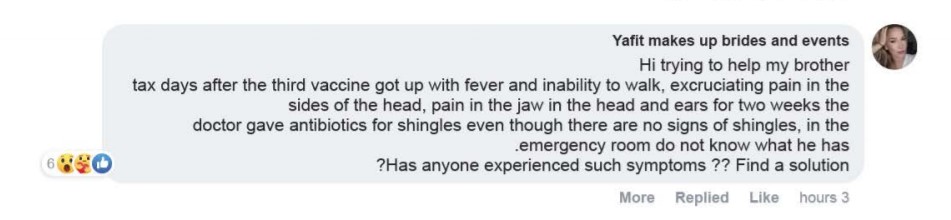
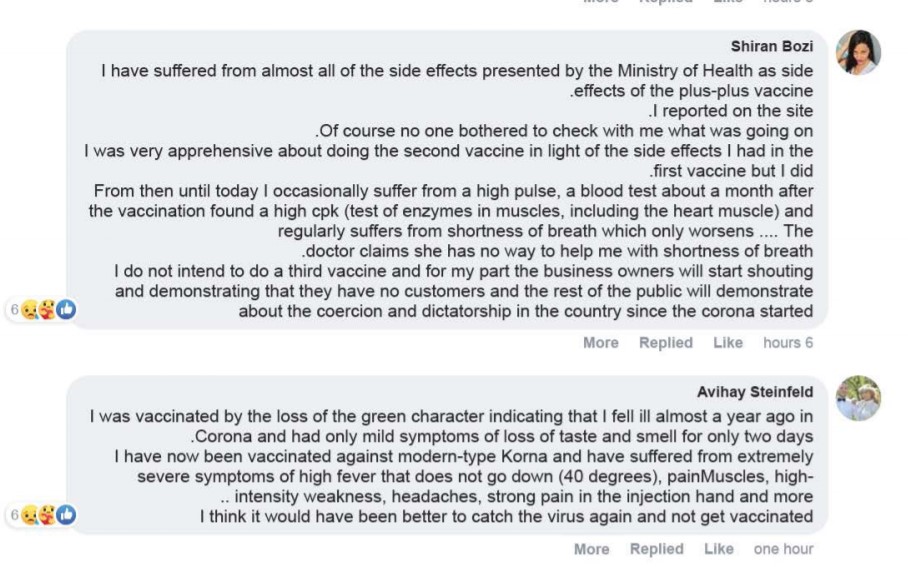



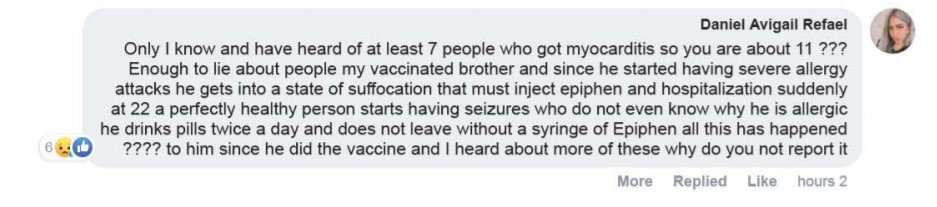

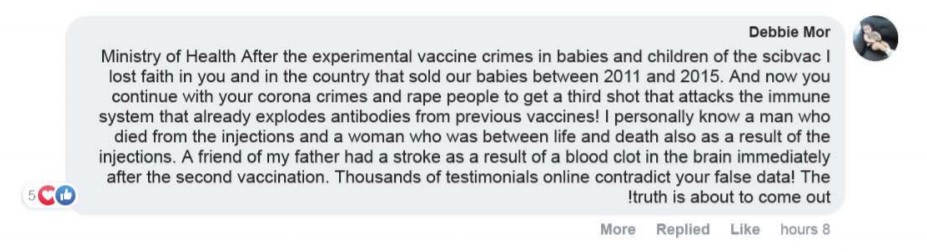
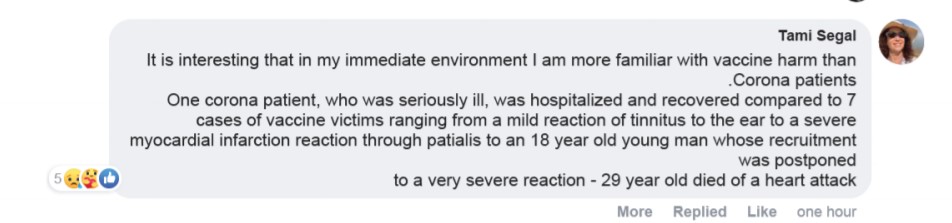
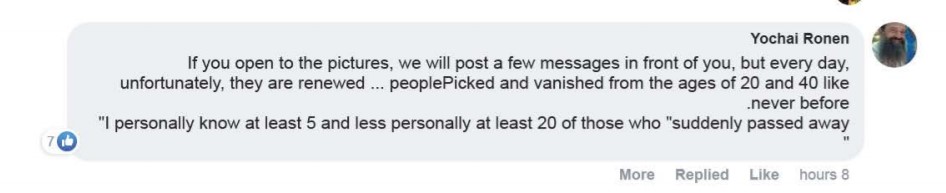

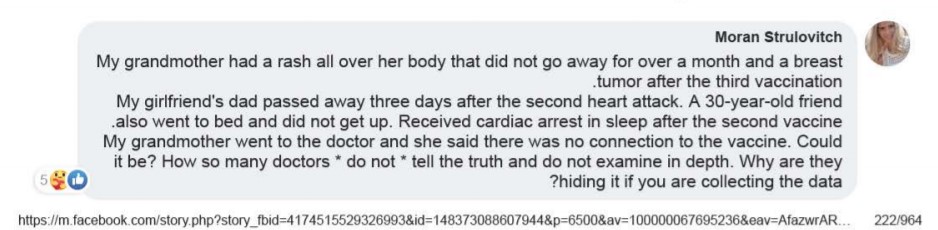

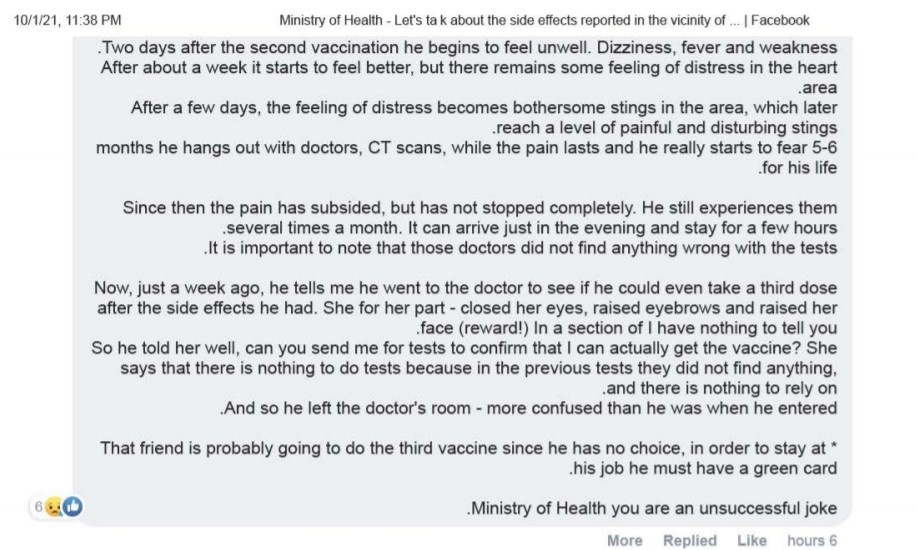
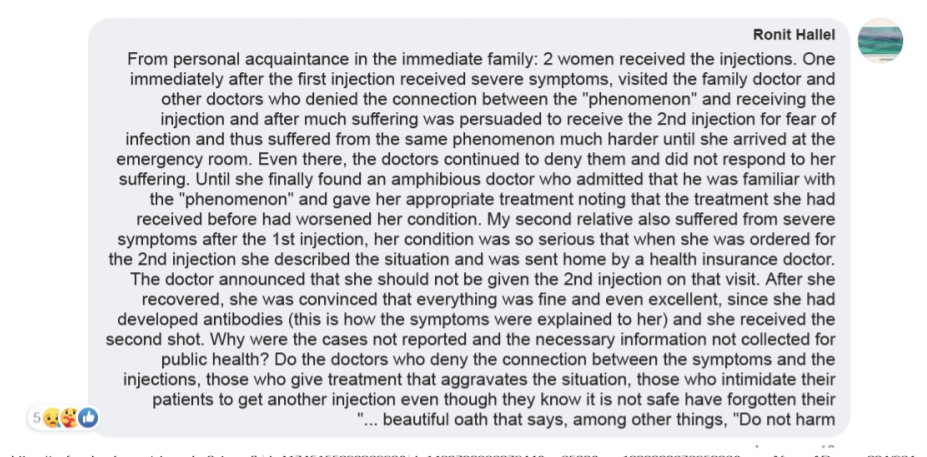
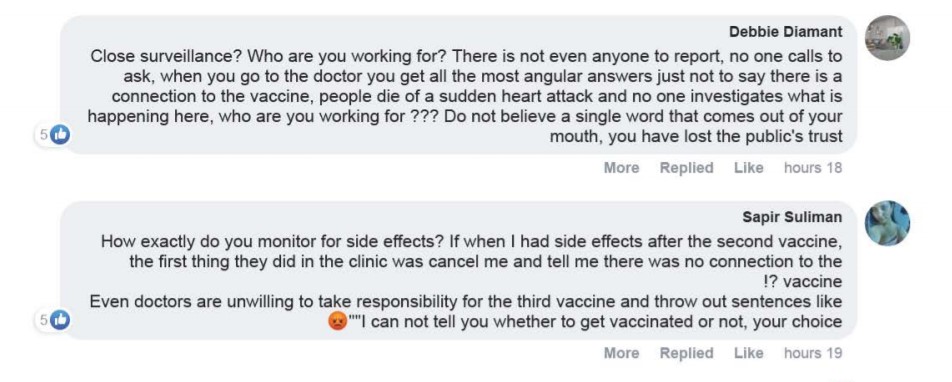
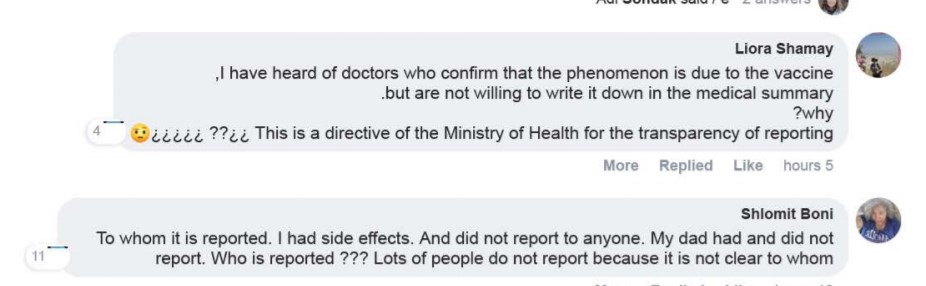

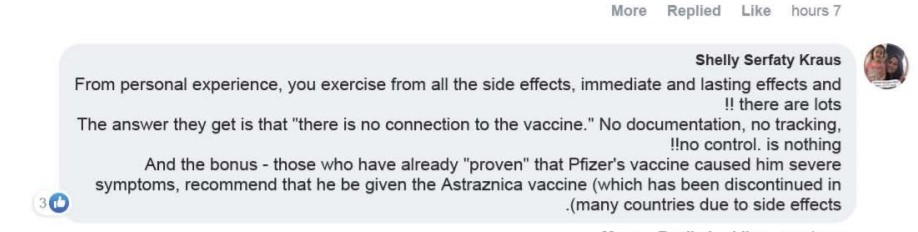
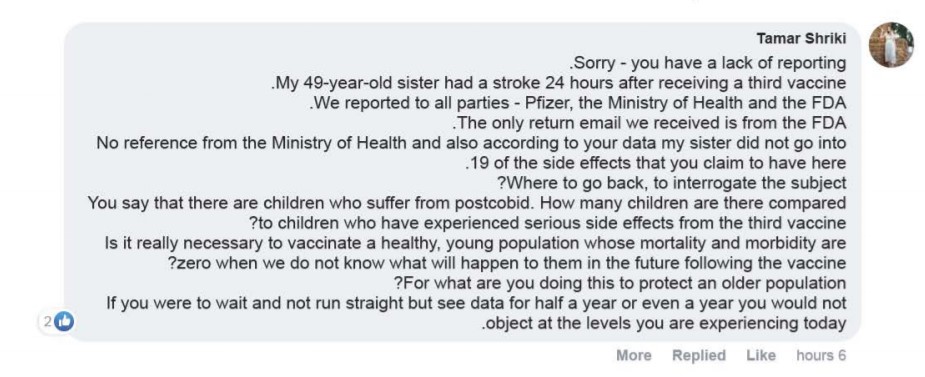
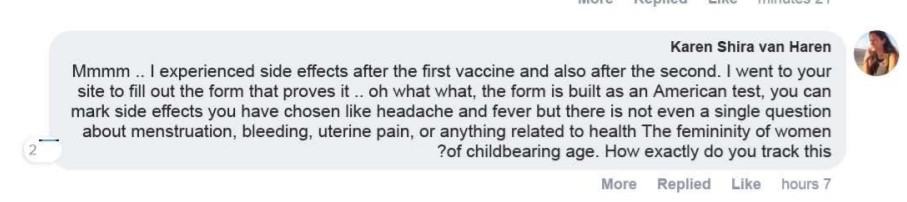





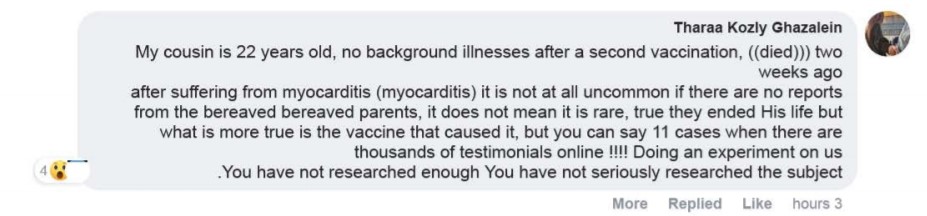
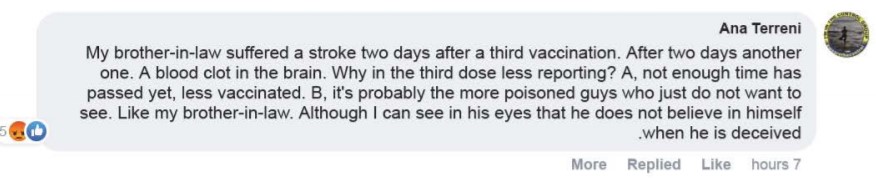

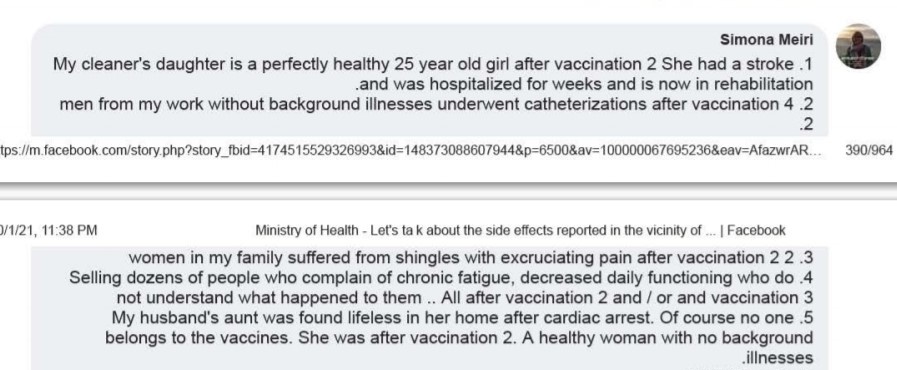

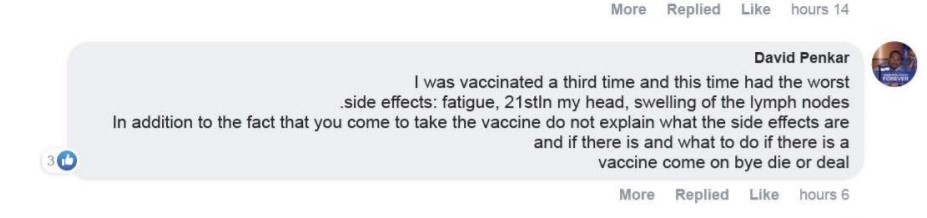









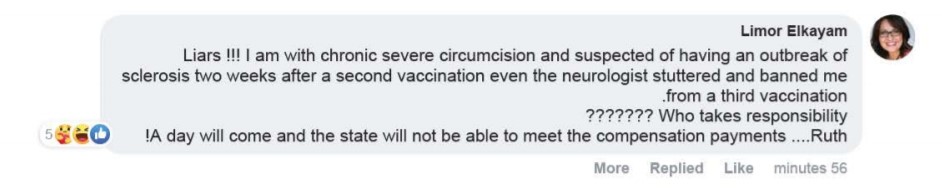
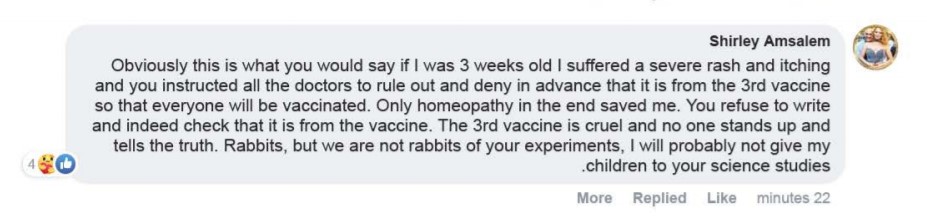




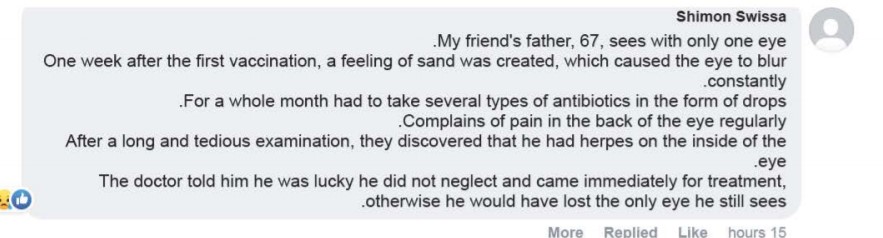
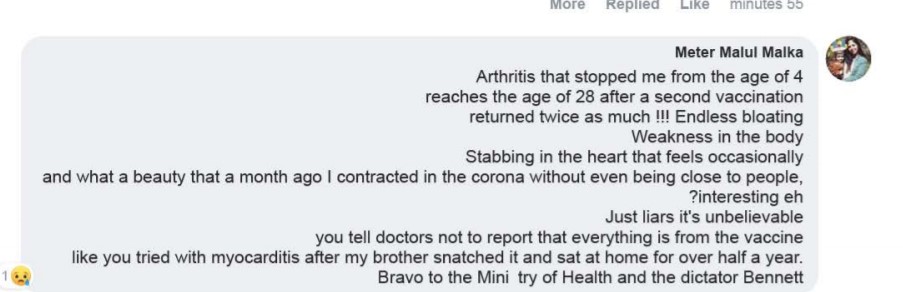
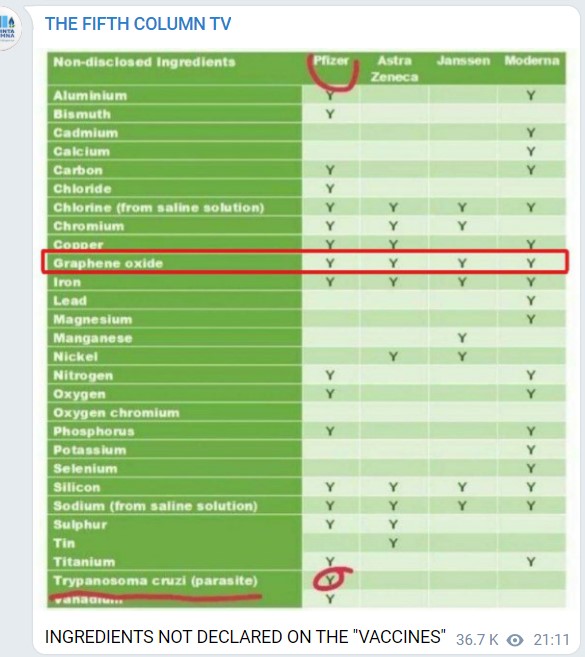


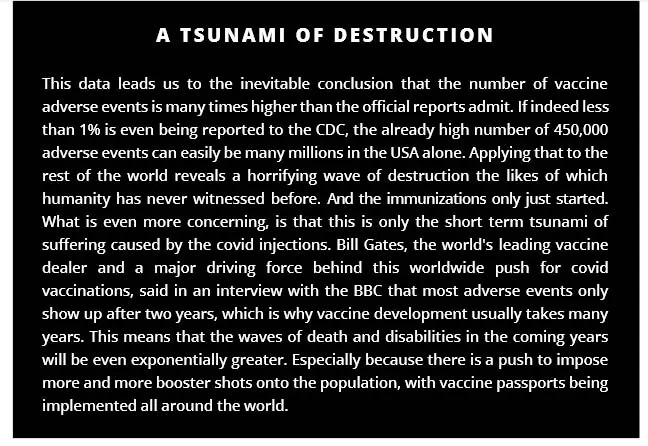
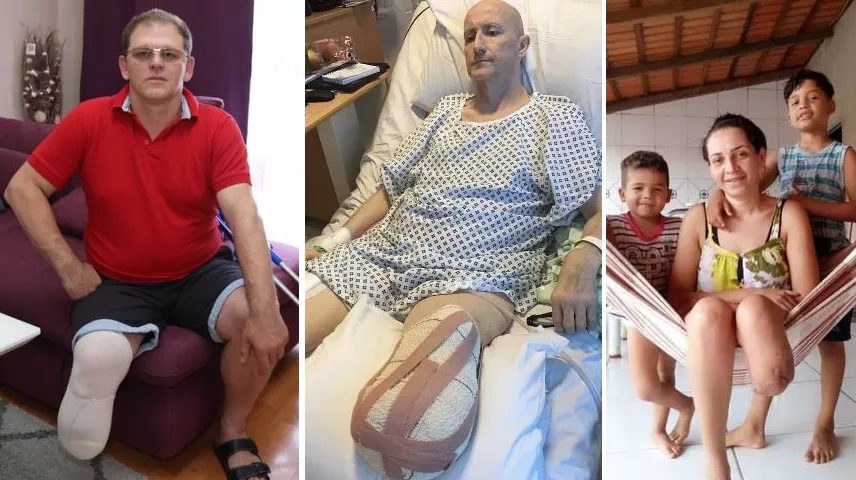




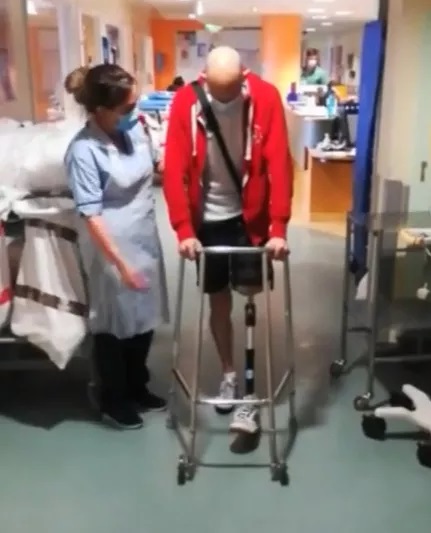
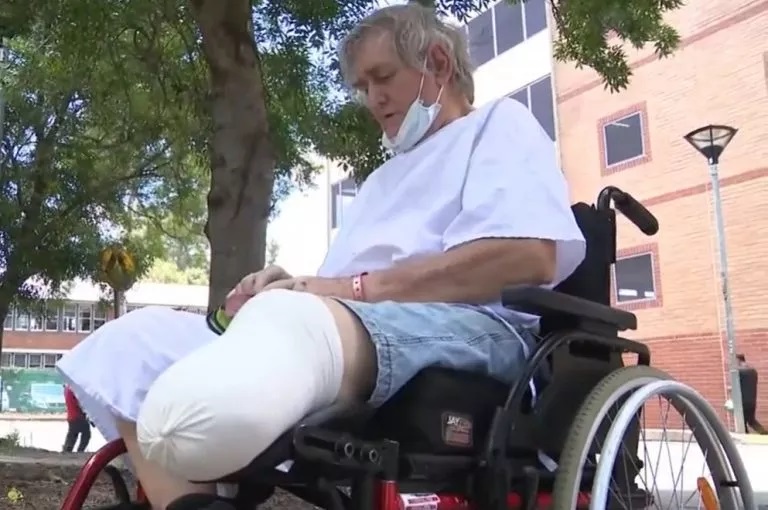




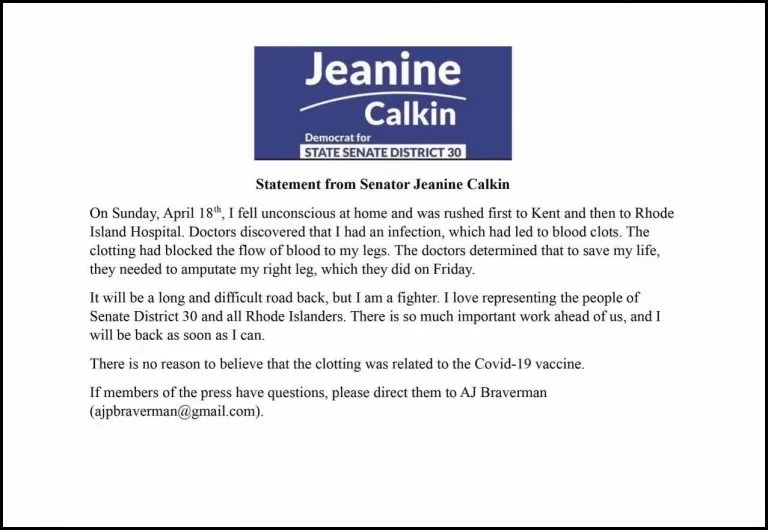
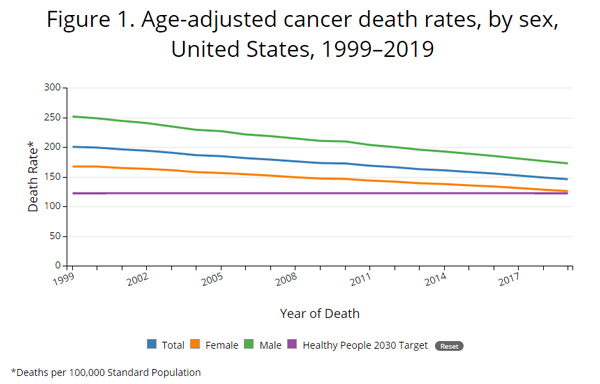
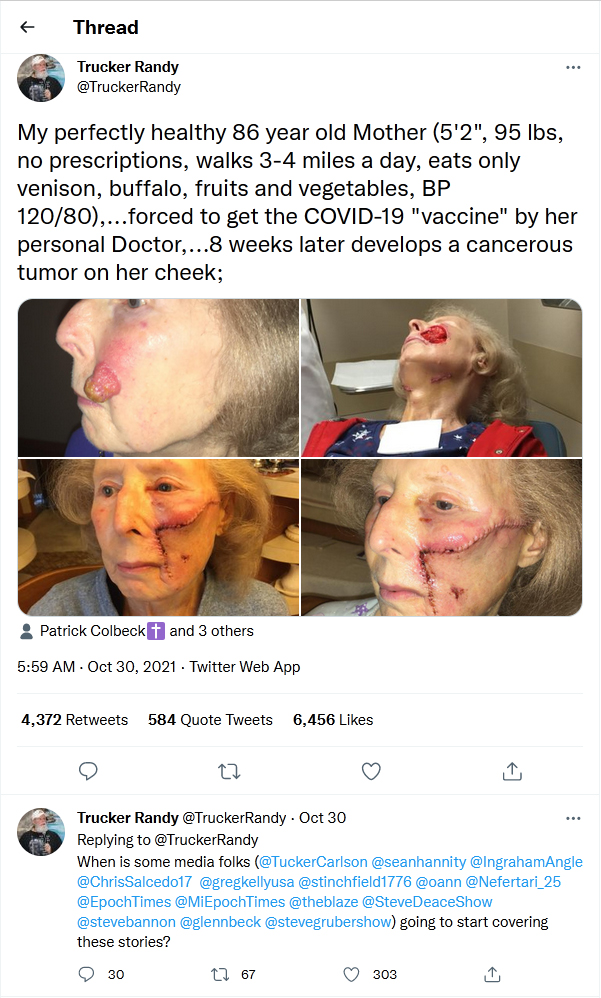
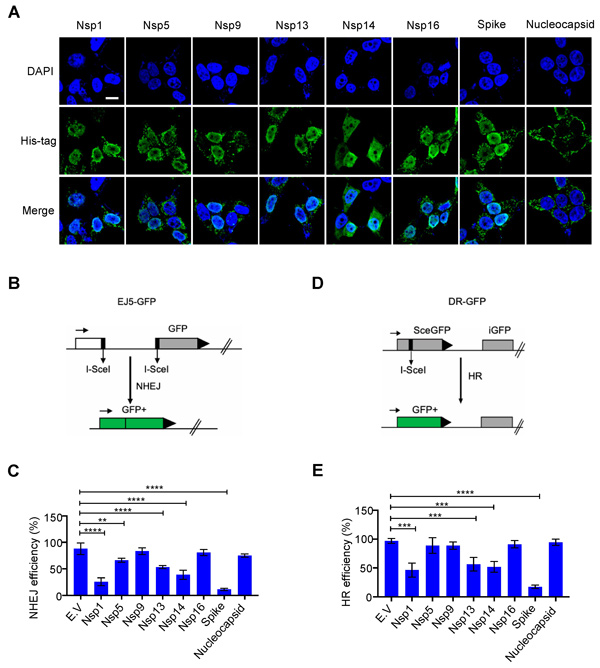
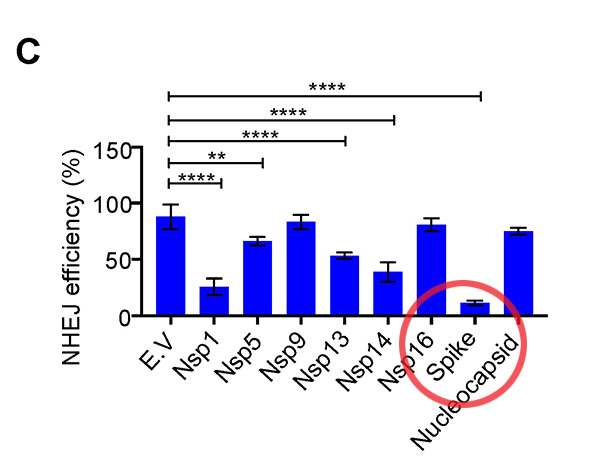
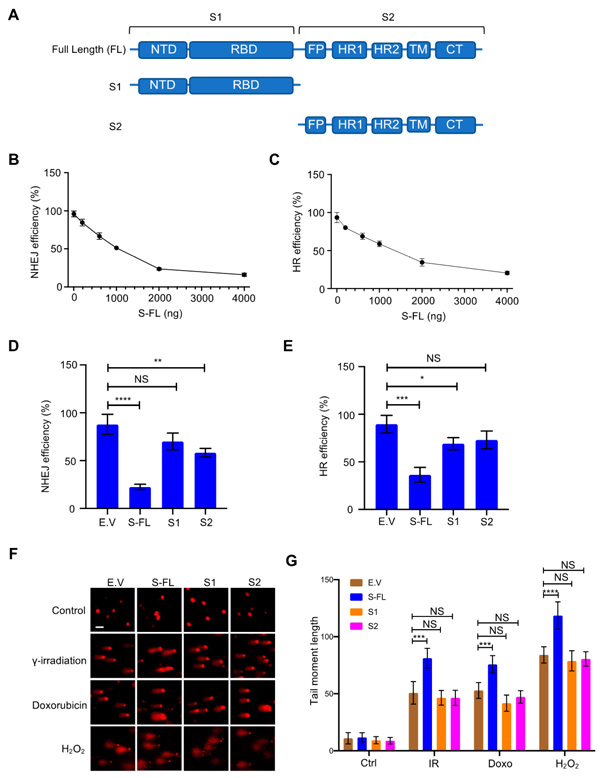



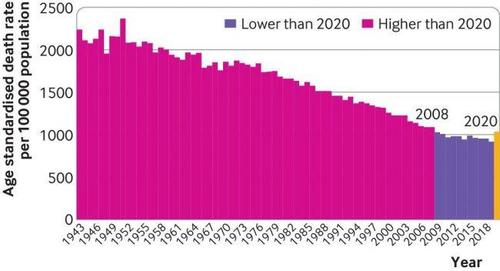
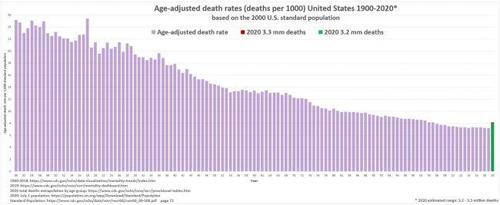
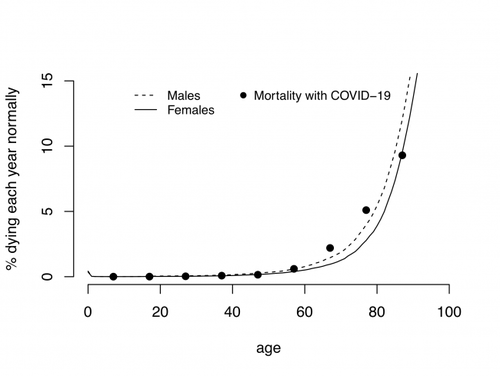
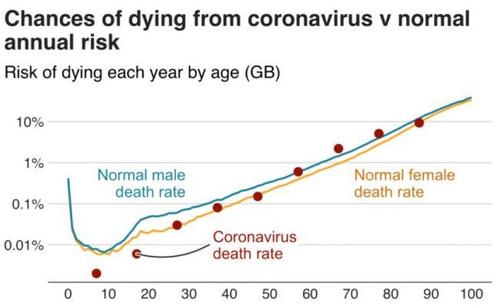
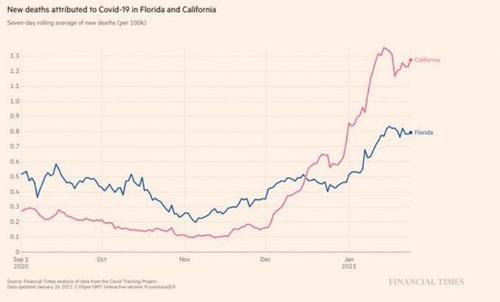

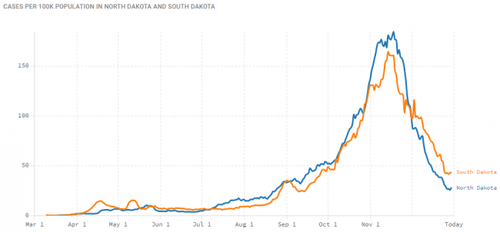
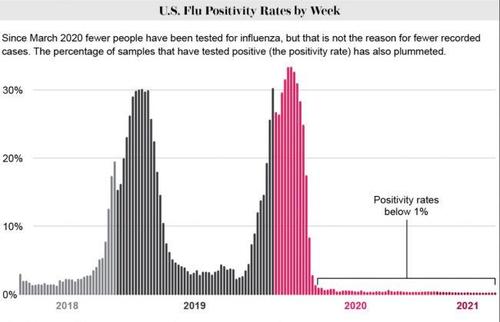
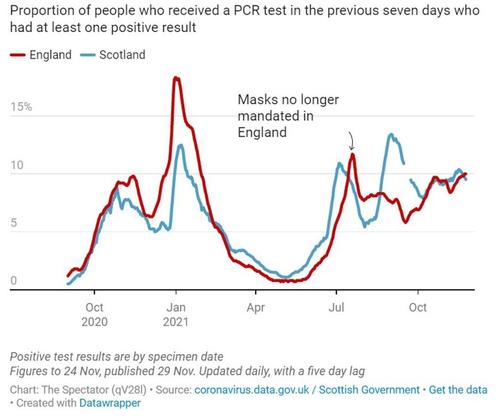
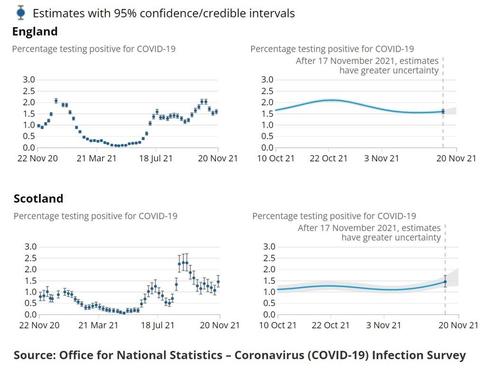
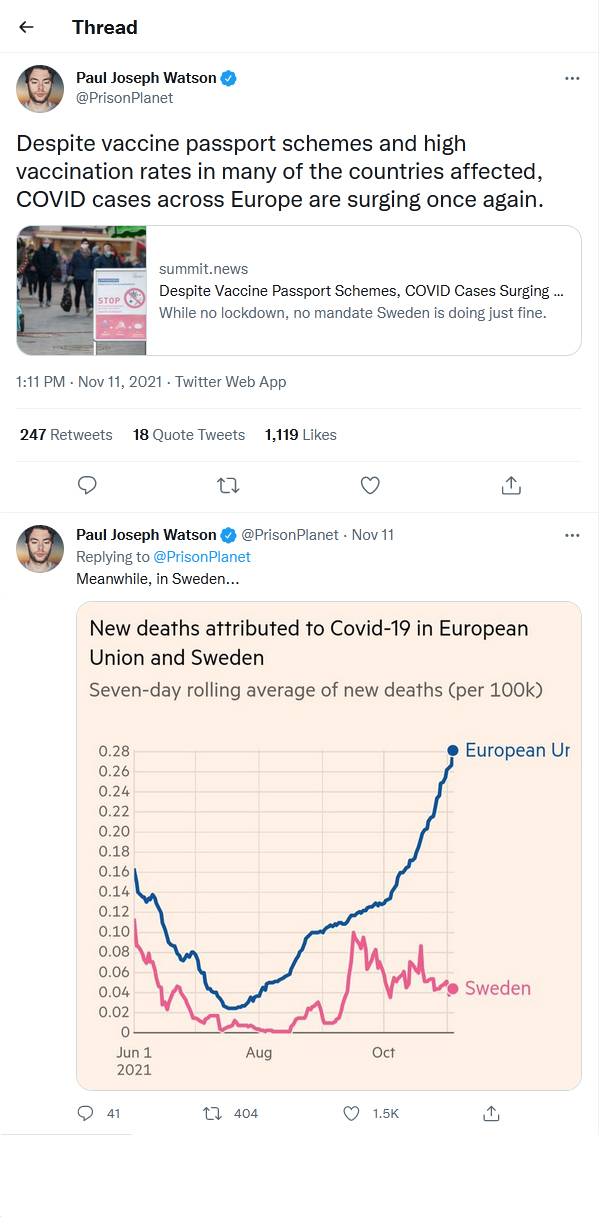
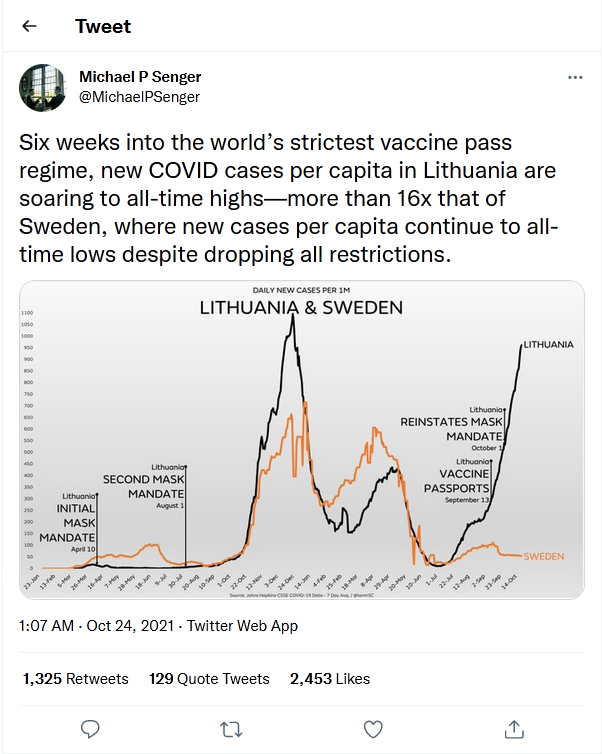
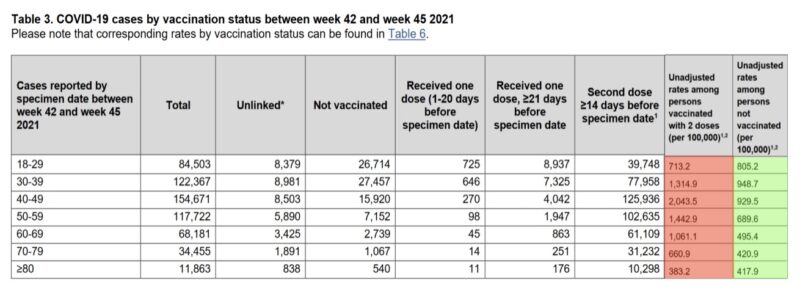
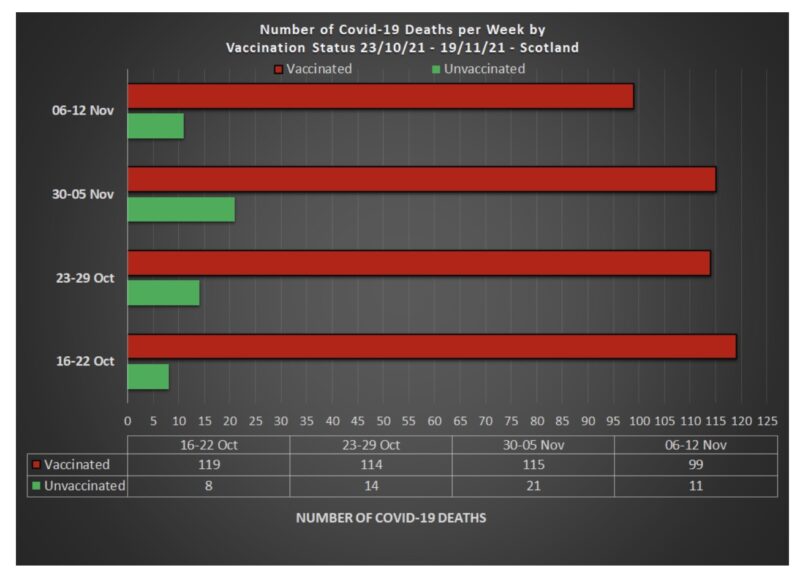
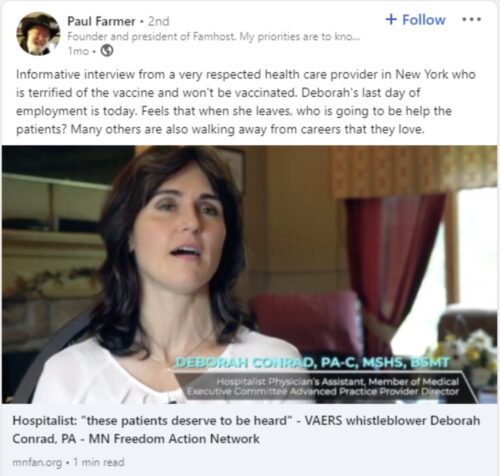



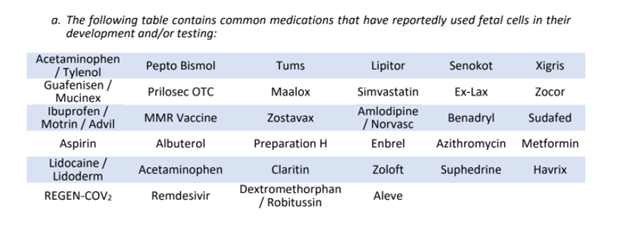
 The Mahmud study–a CRT that explored ivermectin as an early treatment for 363 individuals–concluded that “patients with mild-to-moderate COVID-19 infection treated with ivermectin plus doxycycline recovered earlier, were less likely to progress to more serious disease, and were more likely to be COVID-19 negative on day 14. And Niaee’s research team found that ivermectin can help even hospitalized patients. That group conducted a “randomized, double-


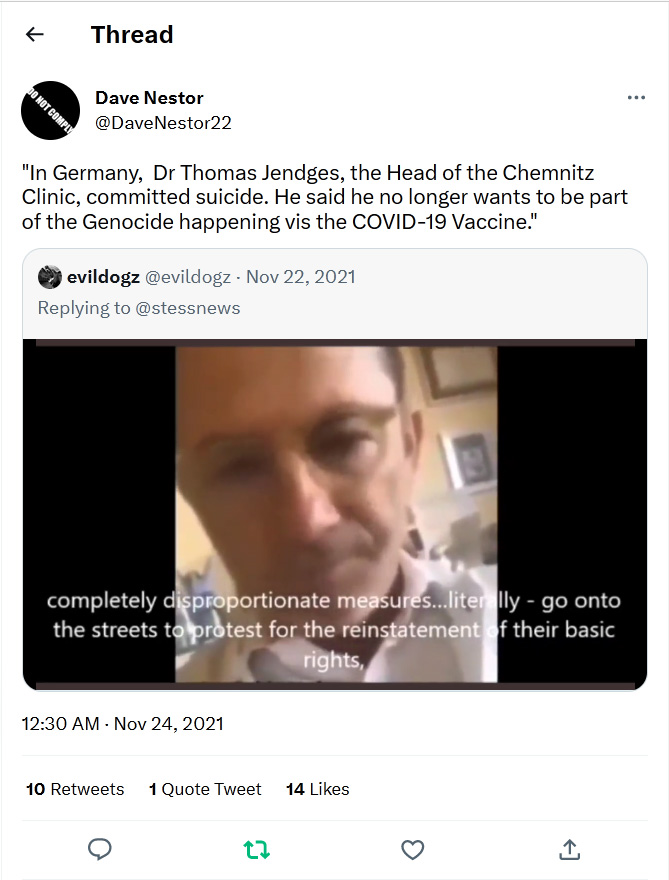


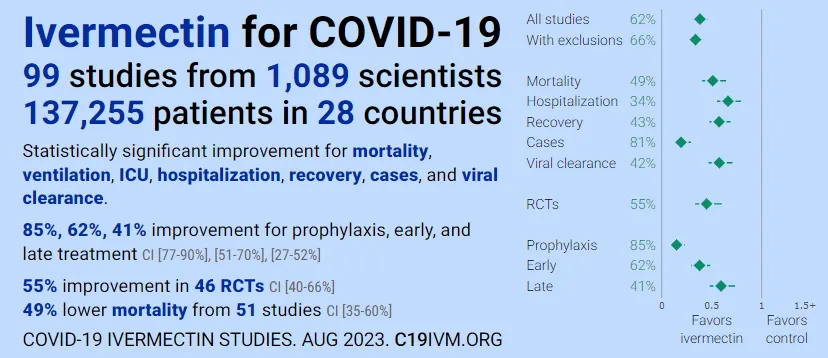
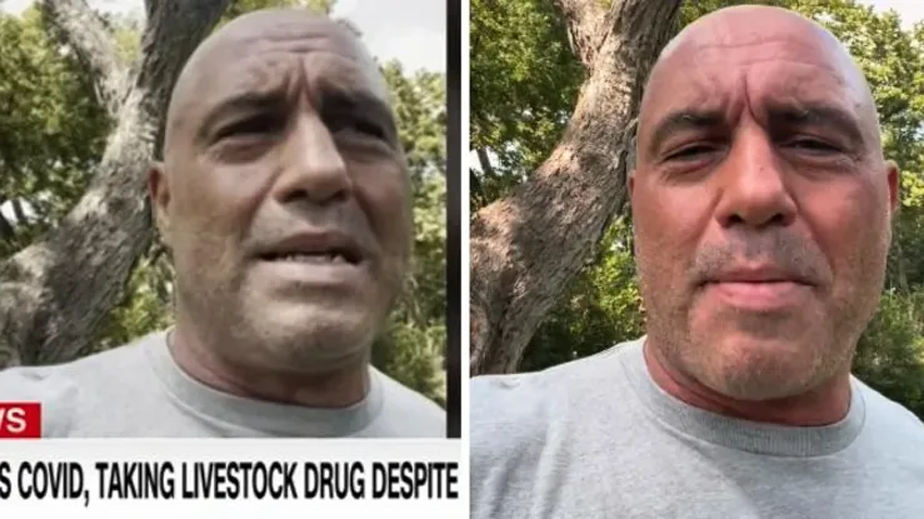
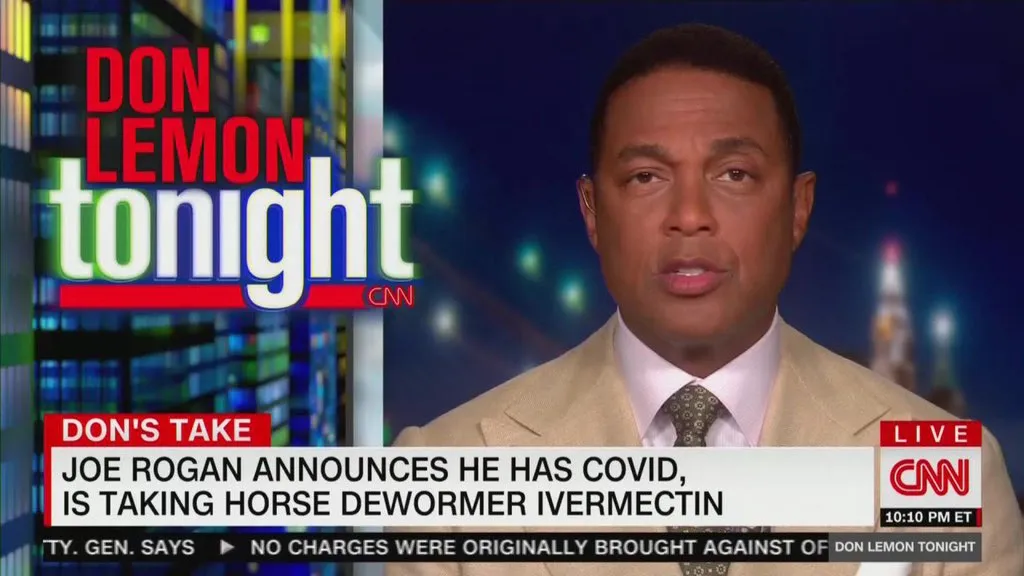


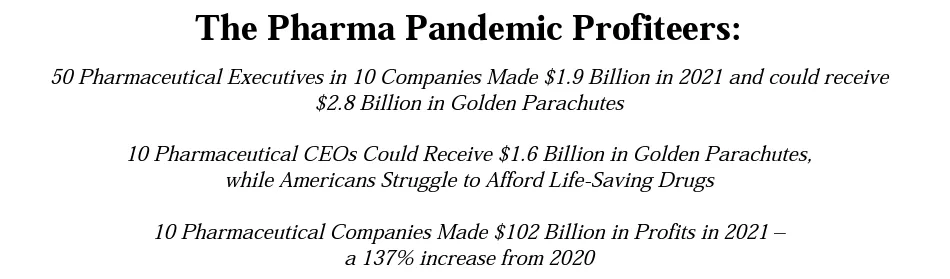

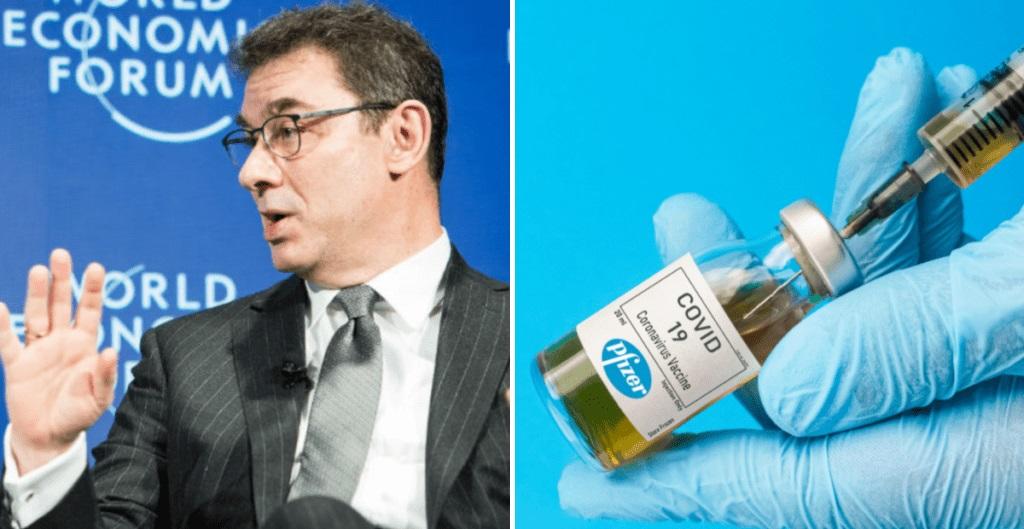
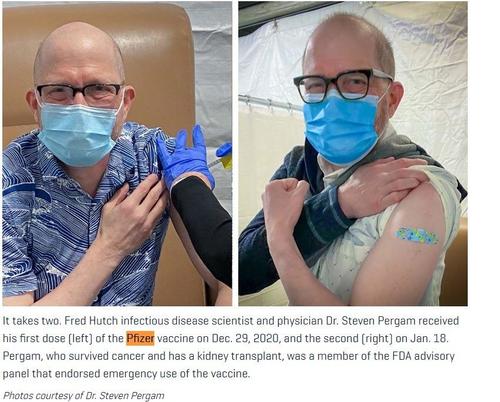
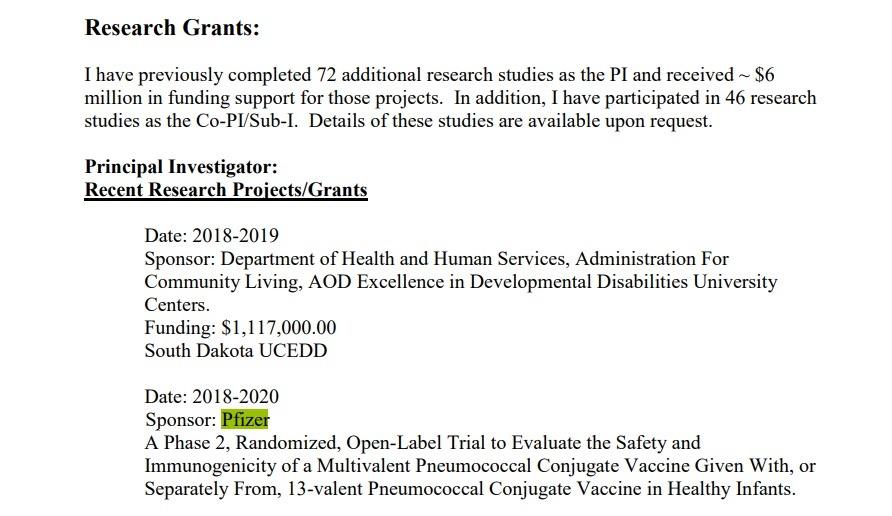
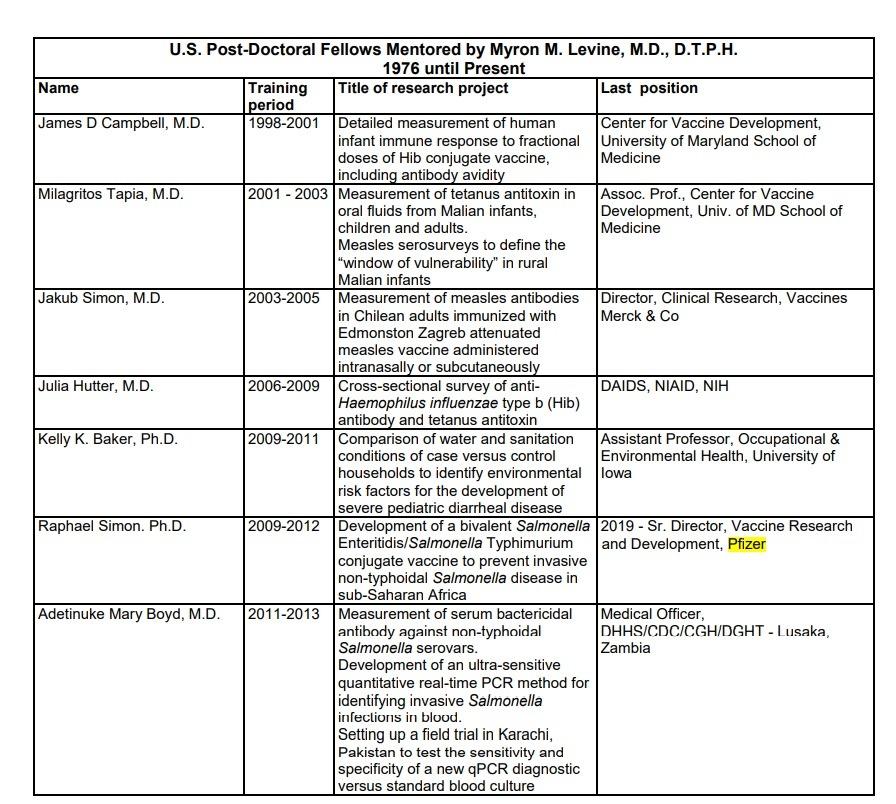

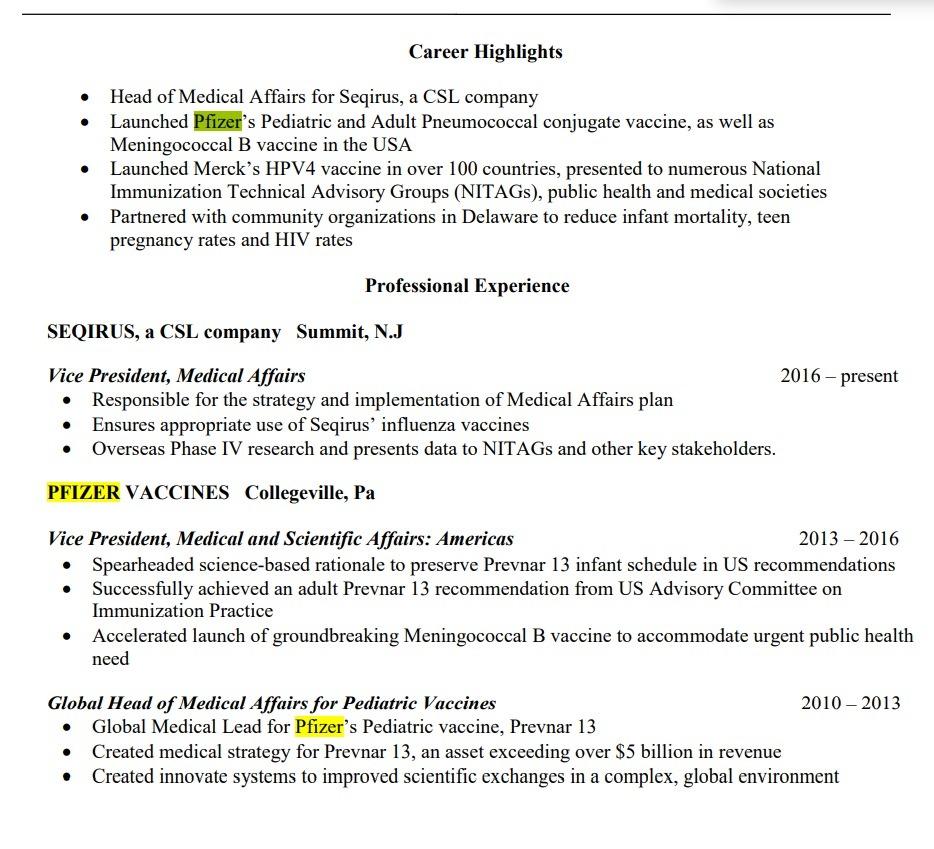
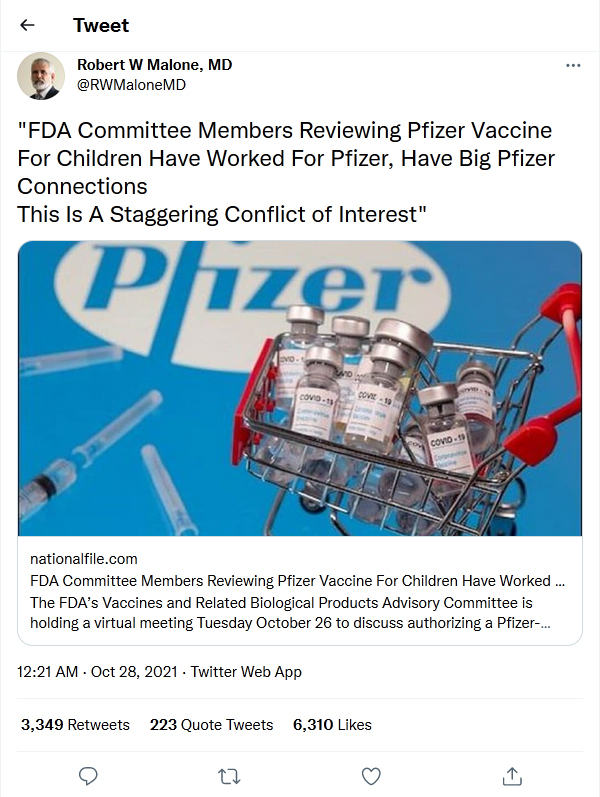



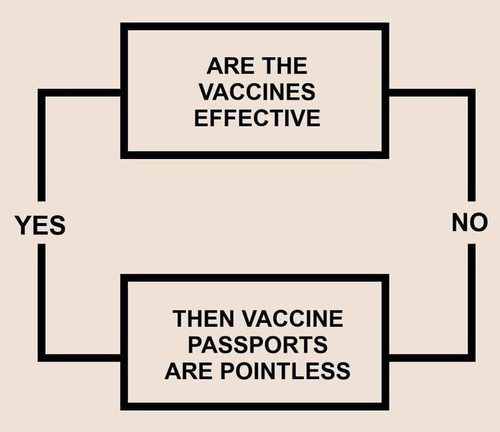

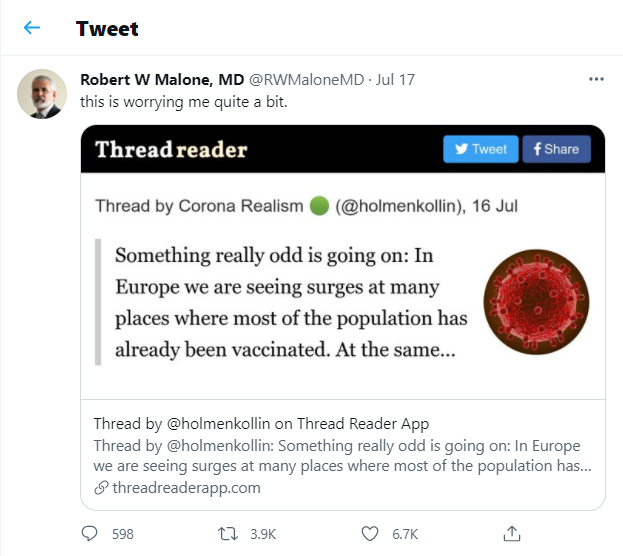
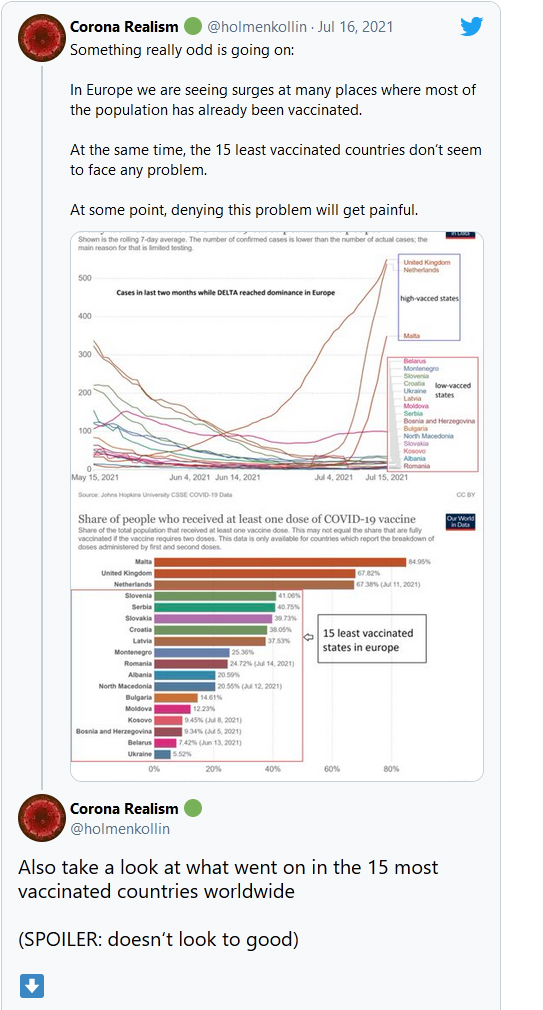
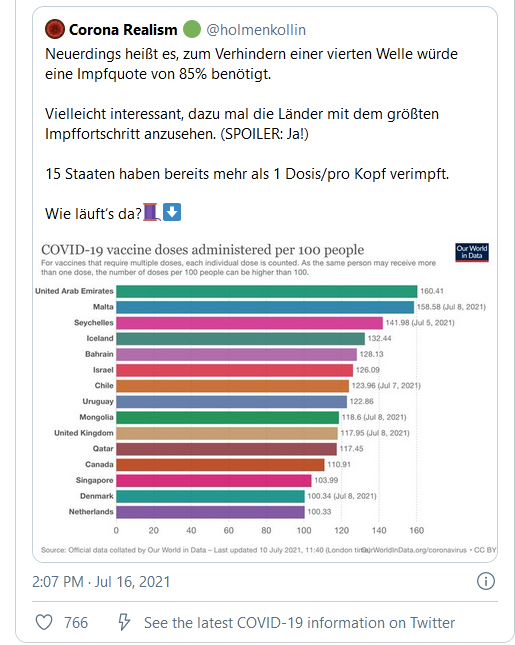
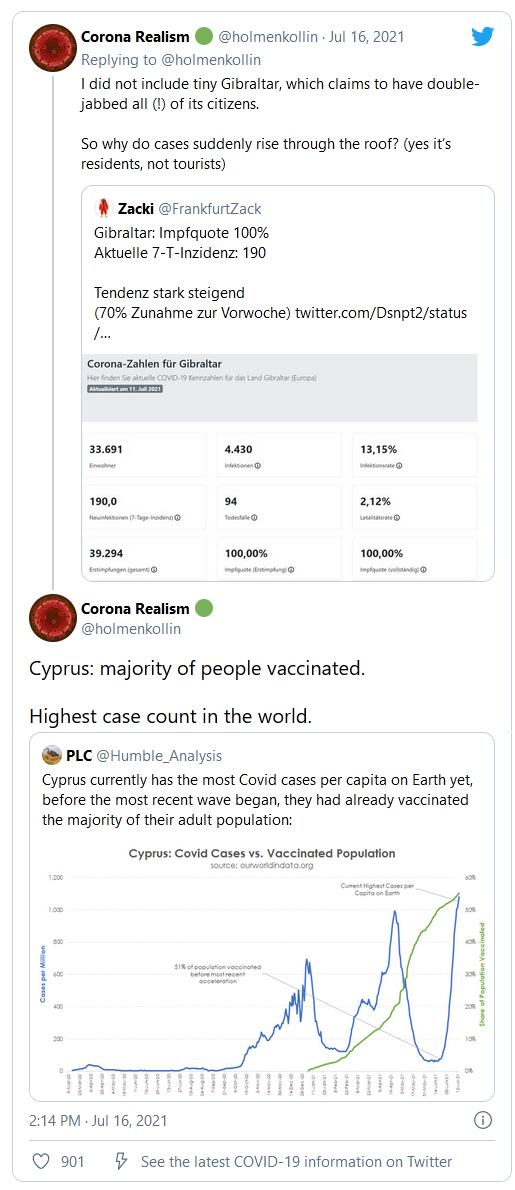
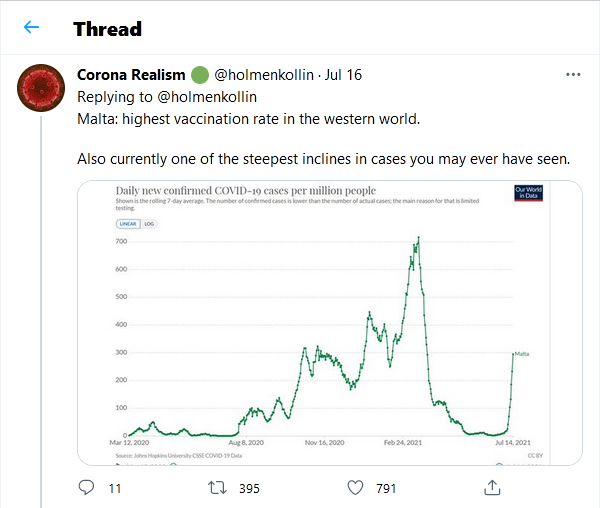
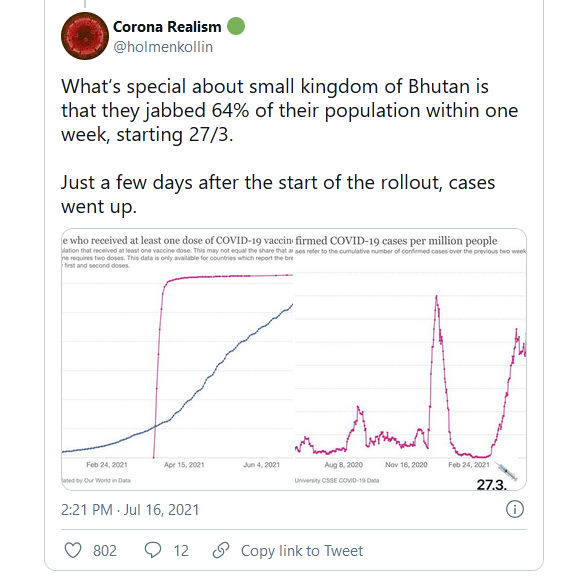
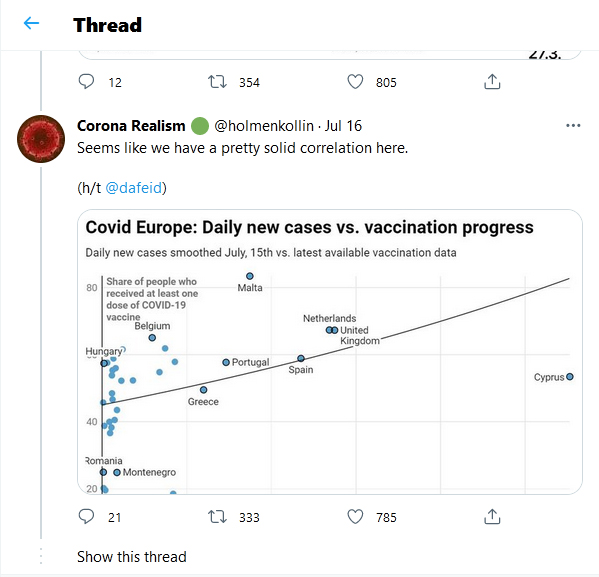
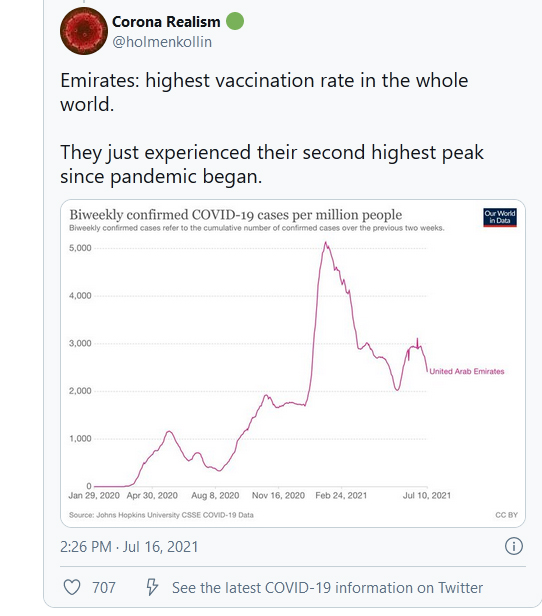
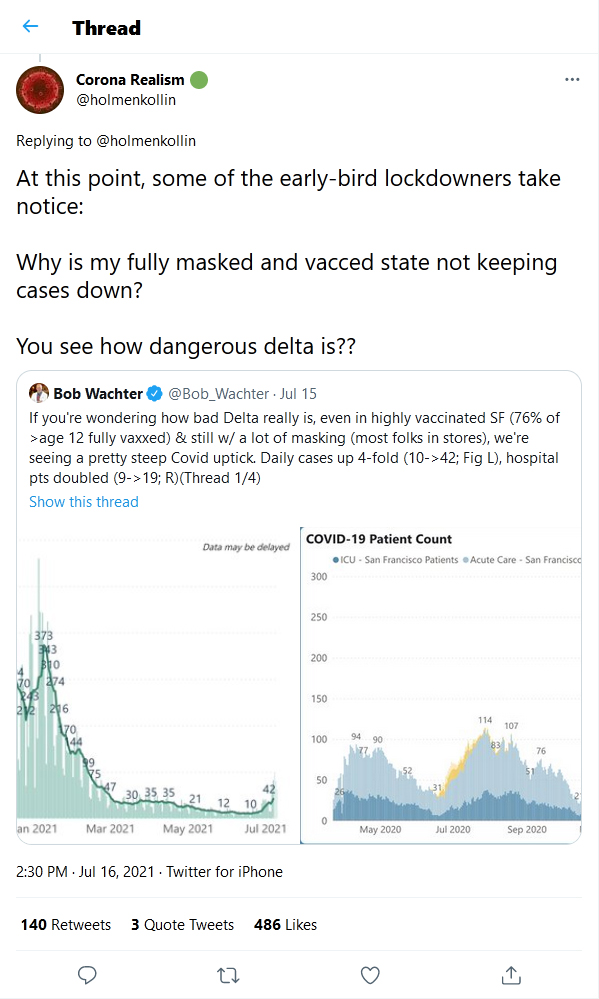
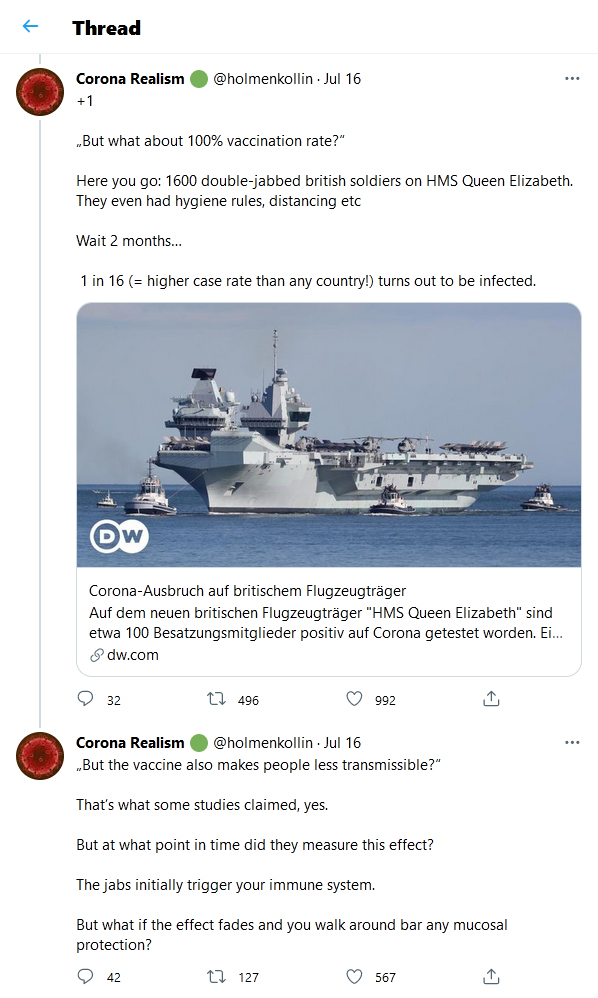


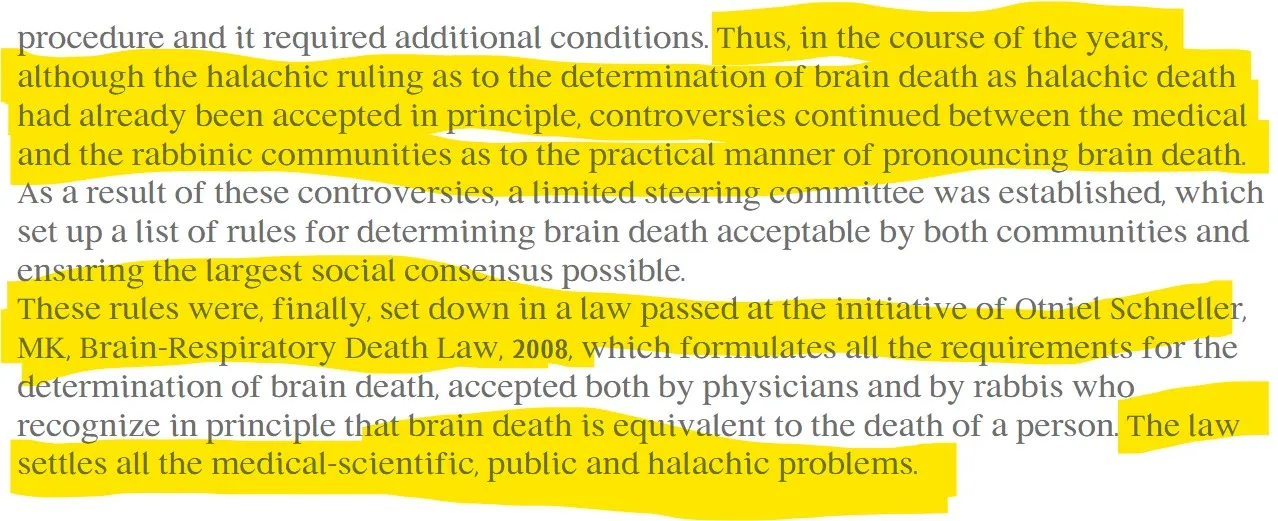






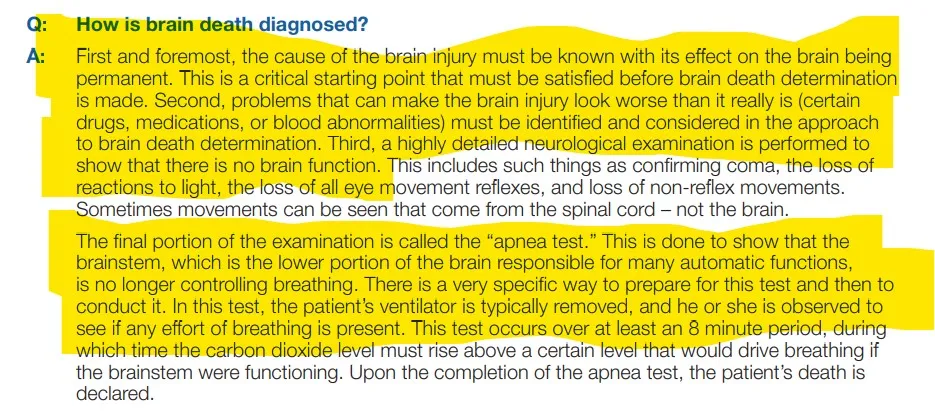
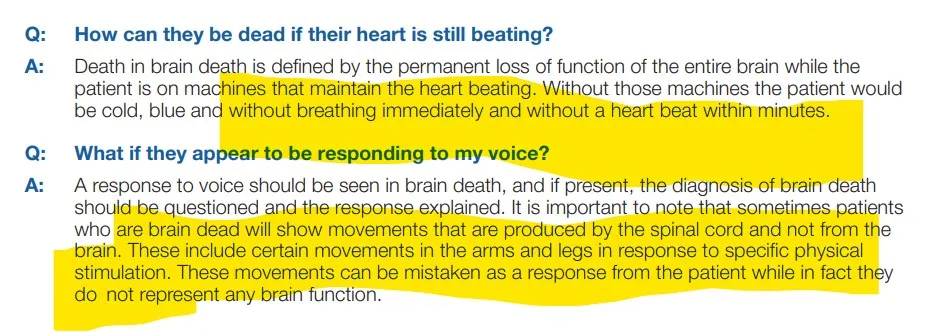
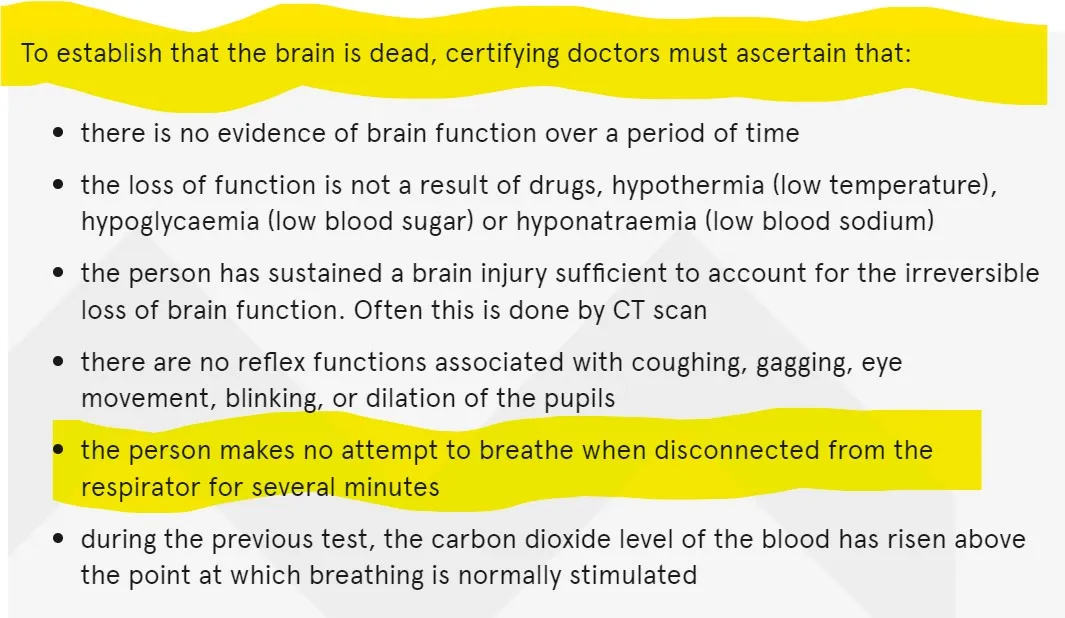









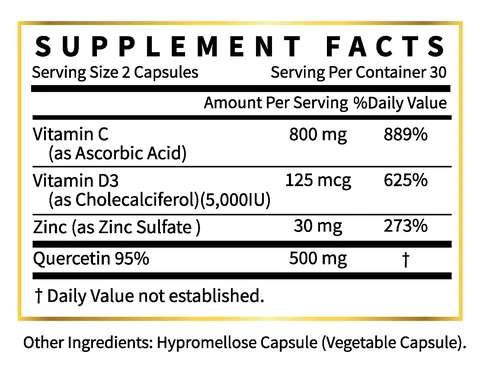

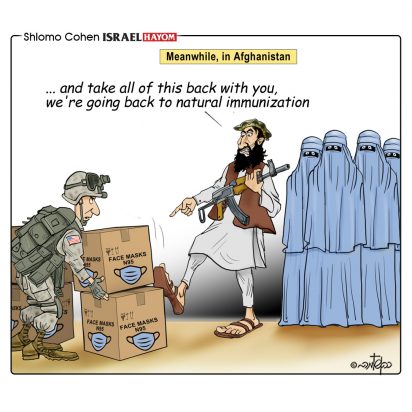

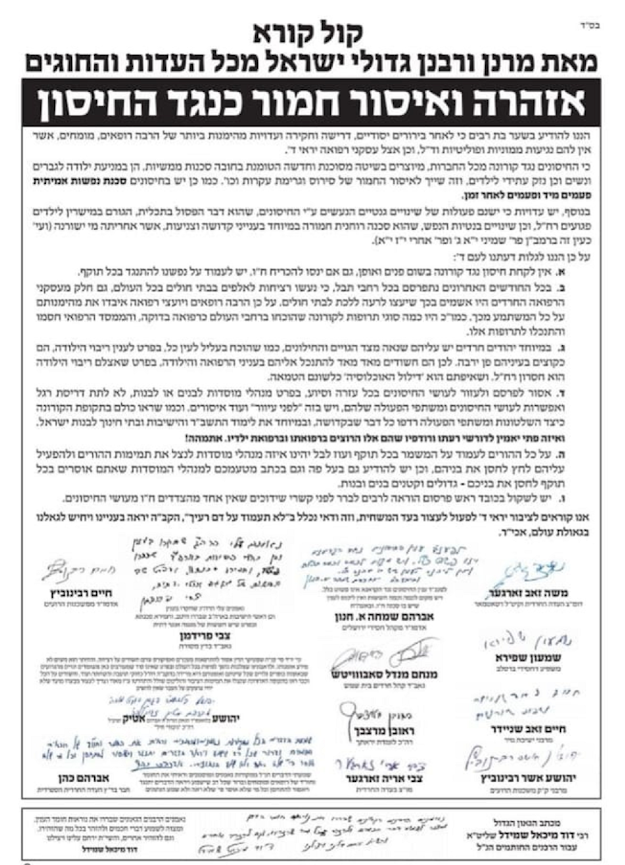



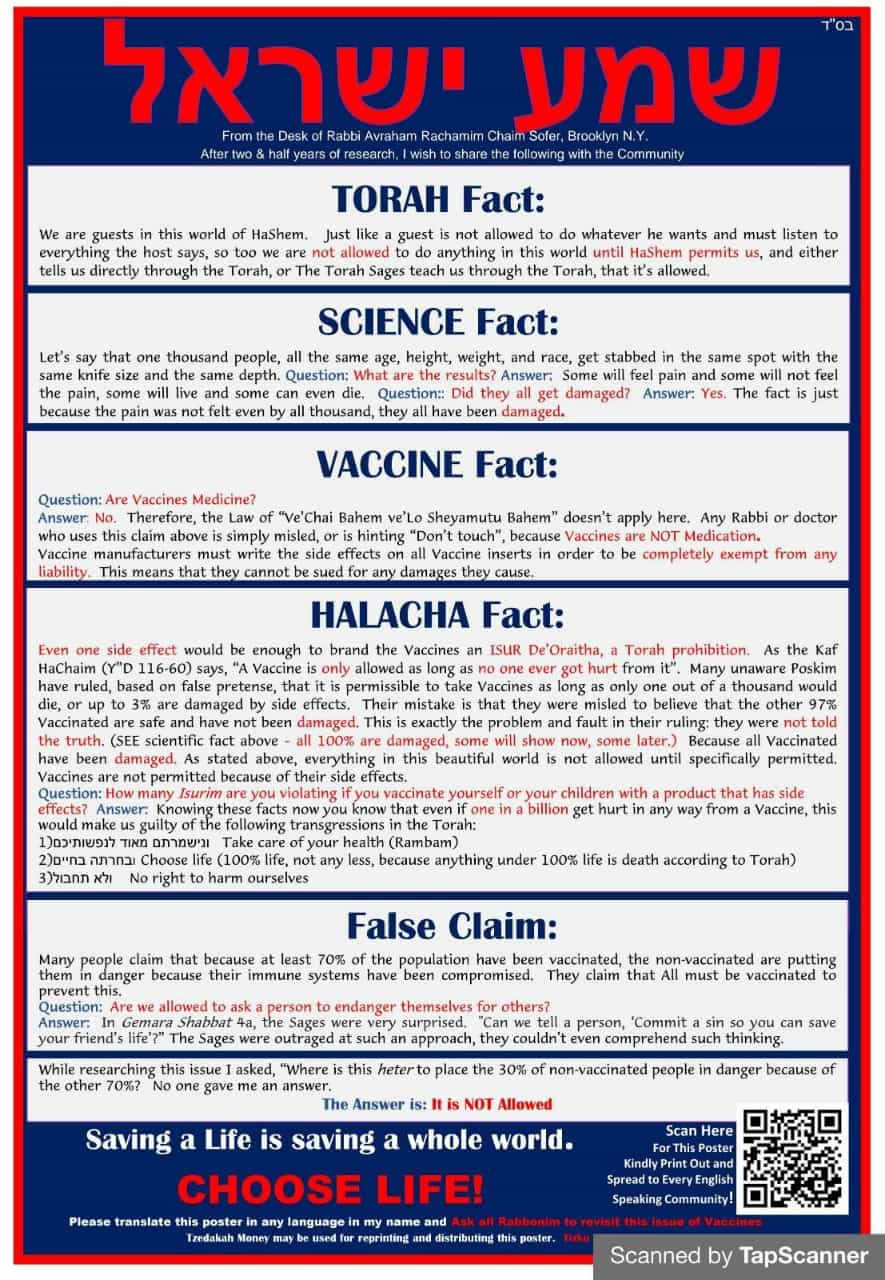
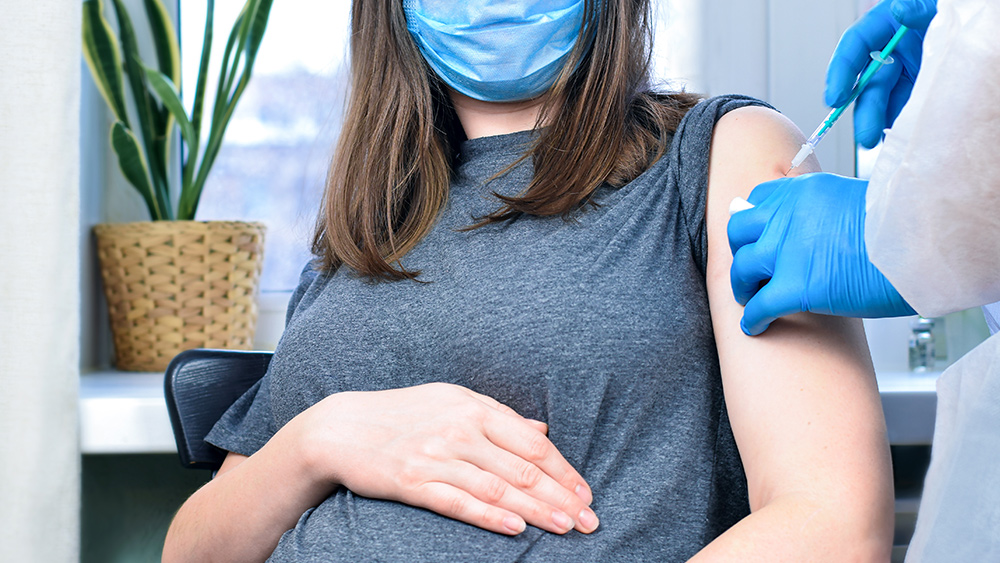

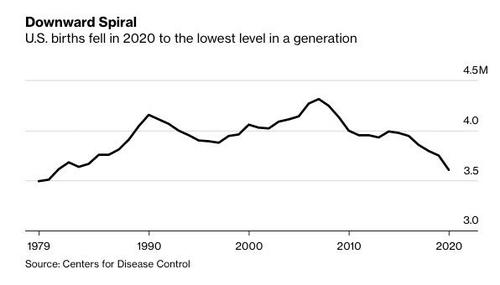
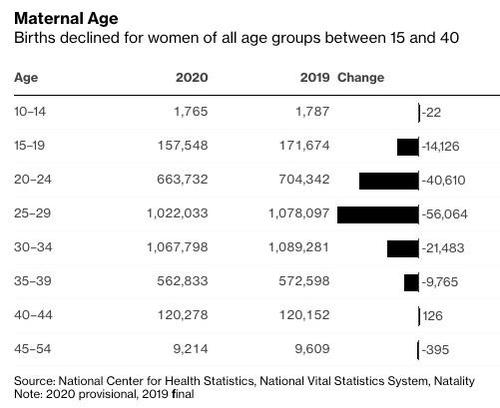






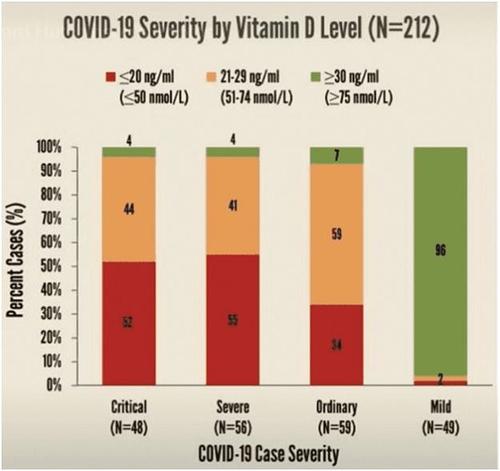

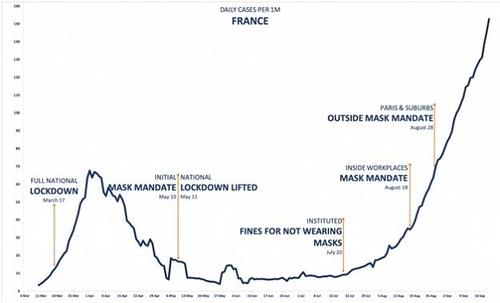
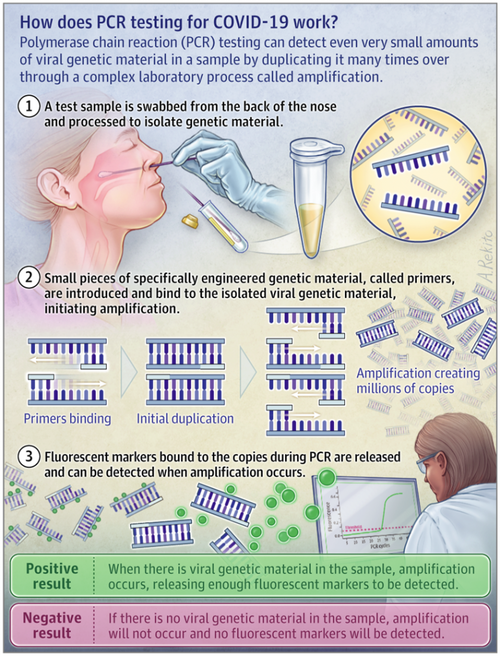

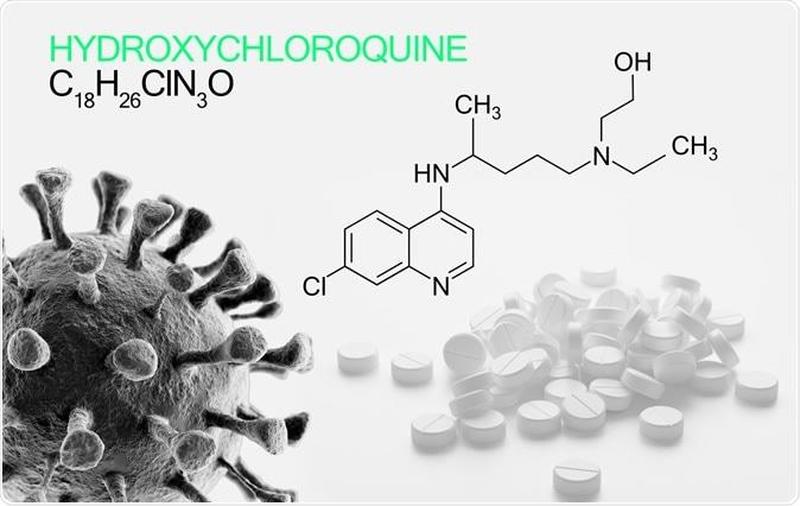
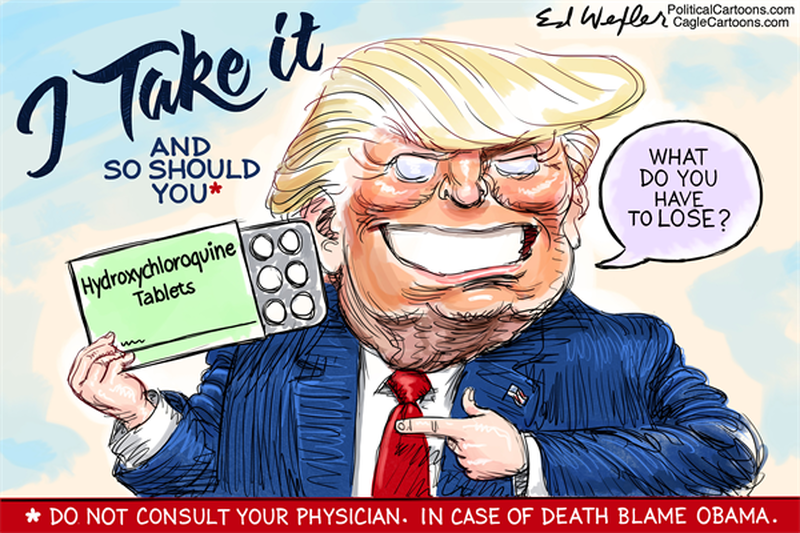
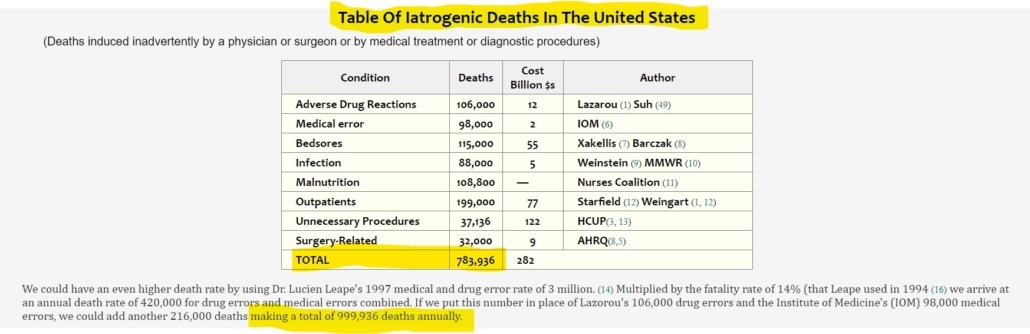

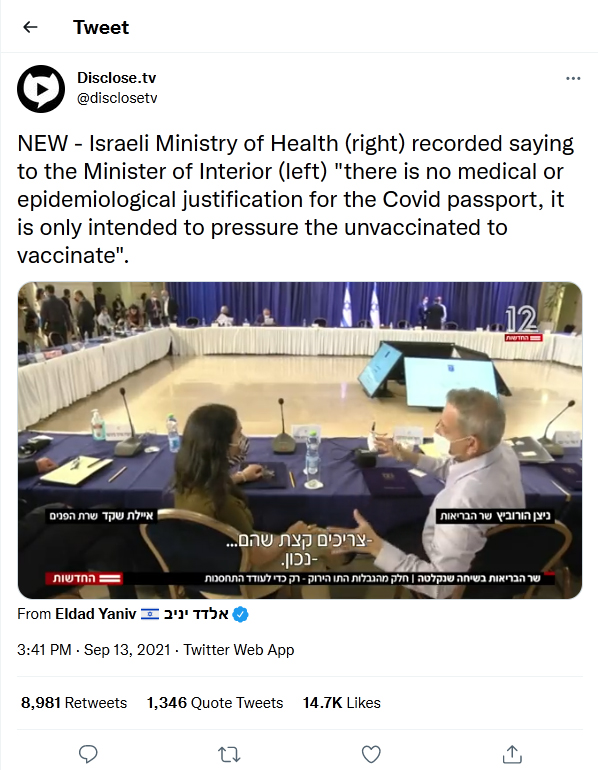















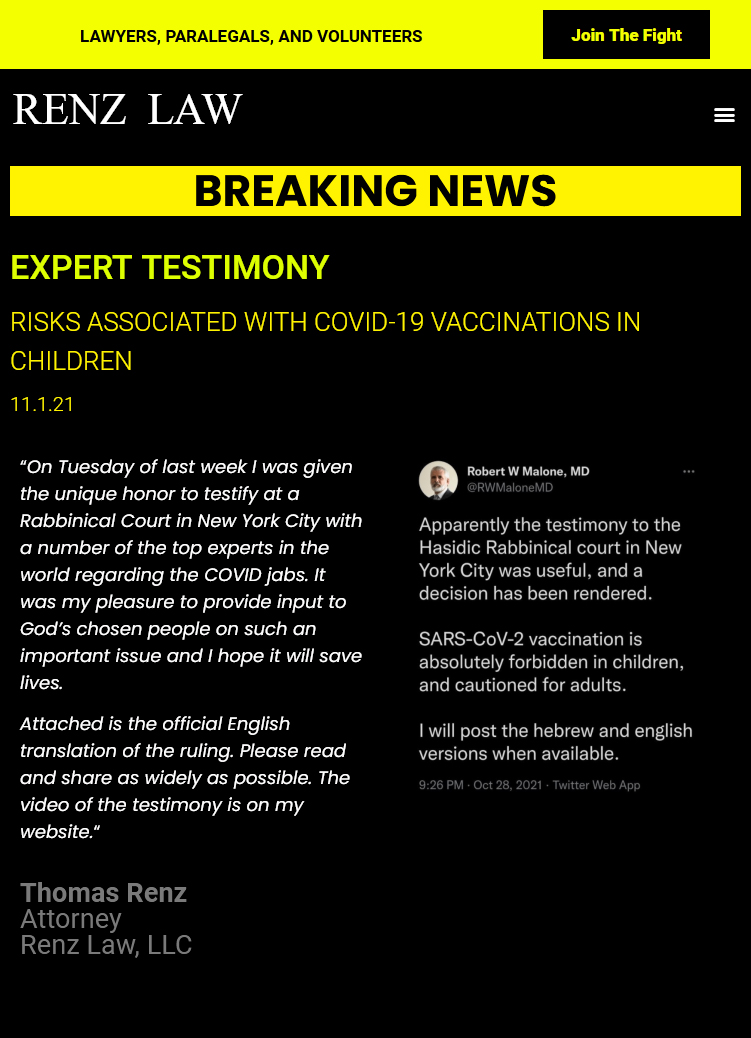





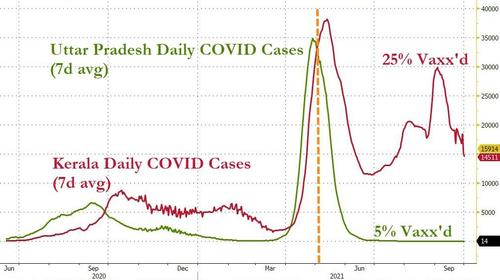
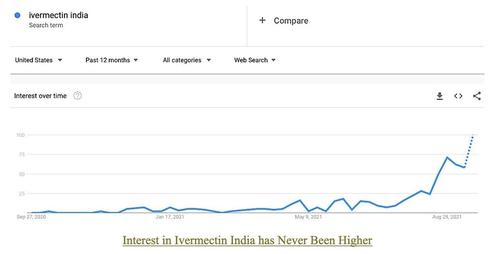
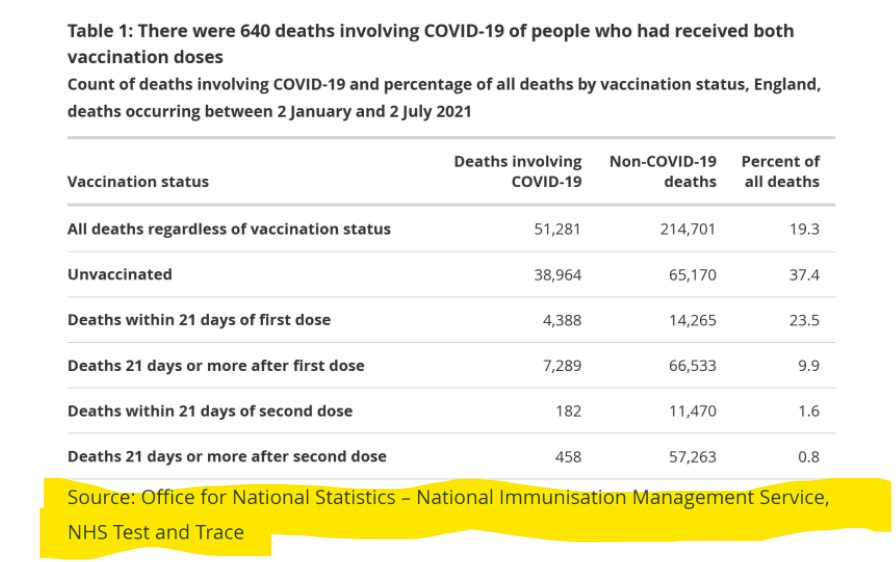
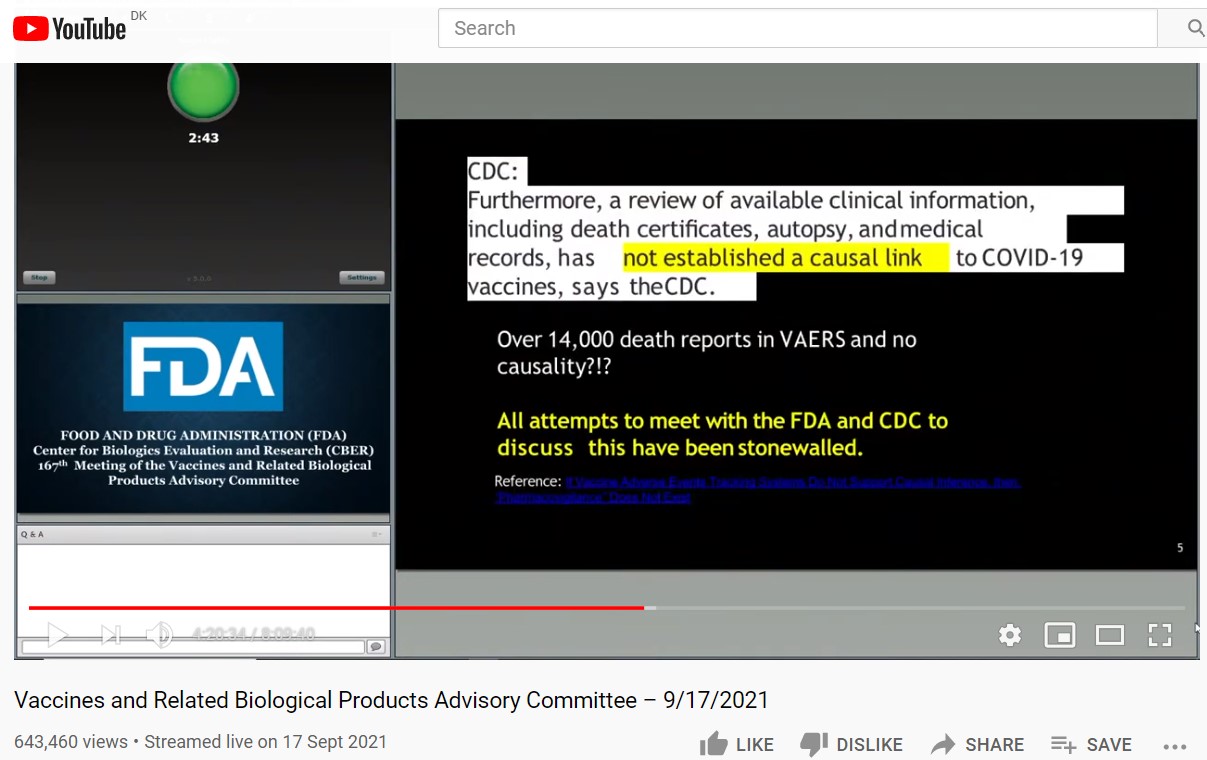
![“VAERS shows heart attacks happen 71 times more often, following these [Covid 19] vaccines, compared to any other vaccine.”](http://www.jerusalemcats.com/wp-content/uploads/2022/02/Pfizer-vaccine-kills-more-than-it-saves.jpg)
![[Statistical analysis by a number of different experts shows] “We kill two people [with the vaccines] to ‘save’ one life.”](http://www.jerusalemcats.com/wp-content/uploads/2022/02/More-people-killed-than-saved.jpg)